

Contact lenses make life easier. They give you clear vision without glasses. They also feel light and natural. However, not all contact lenses work the same way. Some are worn once and thrown away. Others are cleaned and reused. Because of this, many patients wonder which pair of contacts are better. The answer depends on your eyes and your routine.
What Are Daily Contacts?
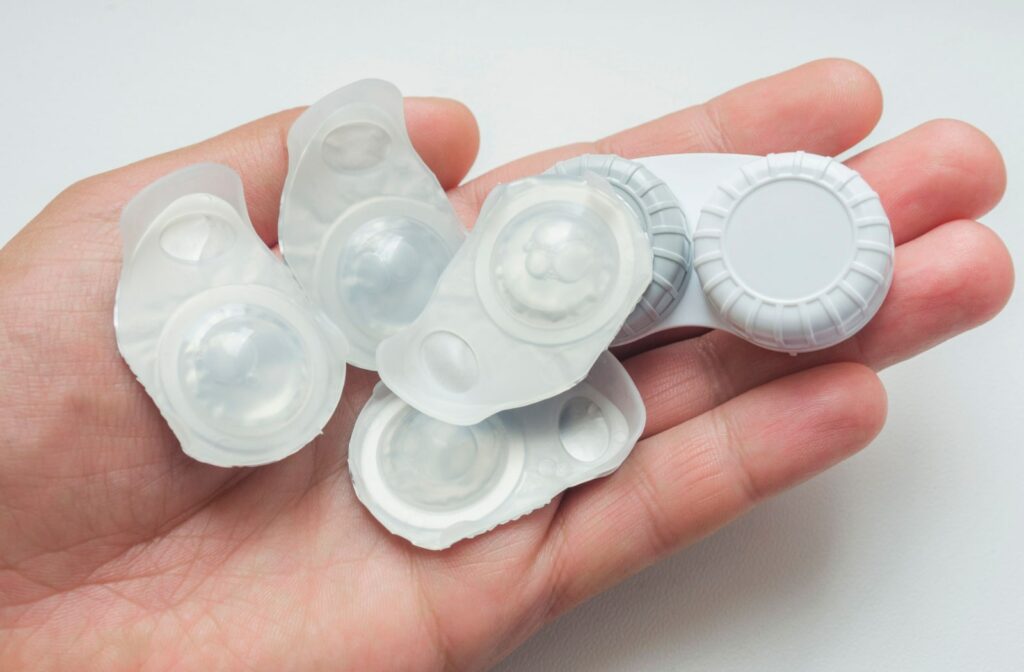
Daily contact lenses are single-use lenses. You wear them once and discard them at night. The next day, you use a fresh pair. This routine is simple and clean. There is no need for solution or storage cases. As a result, many people find them very convenient.
In addition, daily lenses reduce buildup. Protein, oil, and debris collect on lenses during wear. With daily disposables, that buildup does not carry over. Each morning starts with a clean surface. Therefore, many patients experience better comfort.
Benefits of Daily Contact Lenses
Daily contacts are often the healthiest option. Because you use a new pair every day, there is less risk of infection. Bacteria do not have time to grow. This lowers the chance of irritation or redness.
They are also great for sensitive eyes. If you struggle with dryness or allergies, daily lenses may help. Fresh lenses feel smoother on the eye. Moreover, there are no cleaning chemicals involved. Some people react to contact solutions. Daily lenses remove that concern.
Convenience is another major benefit. You do not need to pack solution bottles. You also avoid cleaning routines at night. For travel or busy schedules, this makes a big difference.
Oxygen Flow and Eye Health
Oxygen keeps the cornea healthy and clear. Because the cornea has no blood vessels, it gets oxygen from the air. Contact lenses can reduce that flow.
Daily lenses often allow more oxygen to pass through. They are usually thinner and worn only once. As a result, there is little to no deposit buildup. A clean, thin lens allows oxygen to reach the eye more easily.
Monthly lenses are also breathable, especially silicone hydrogel types. However, small protein and oil deposits can collect over time. Even with good cleaning, this may slightly reduce oxygen flow. Better oxygen delivery helps eyes stay whiter, clearer, and more comfortable.
What Are Monthly Contacts?
Monthly contact lenses are designed to last up to 30 days. You wear the same pair during that time. However, you must clean and disinfect them each night. Proper care is very important.
Because they are reused, monthly lenses are made from durable materials. They are slightly thicker than daily lenses. This helps them maintain shape over time. As a result, some people find them easier to handle.
Monthly lenses often come in more prescription options. If you have strong prescriptions or astigmatism, monthly lenses may offer more choices. Your eye doctor can guide you based on your needs.
Benefits of Monthly Contact Lenses
Monthly lenses are often more cost-effective. You buy fewer boxes each year. Therefore, the upfront cost is usually lower than daily lenses. For patients who wear contacts every day, this can add up.
They also work well for people who follow routines. If you do not mind cleaning lenses nightly, monthly contacts can be a good fit. With proper care, they remain safe and comfortable.
In addition, some specialty lenses are only available in monthly form. This includes certain multifocal or toric designs. If your prescription is complex, monthly lenses may offer better customization.
Health and Hygiene Considerations
Eye health should always come first. While both options are safe when used correctly, daily lenses reduce certain risks. Because you discard them nightly, bacteria and deposits do not build up over time.
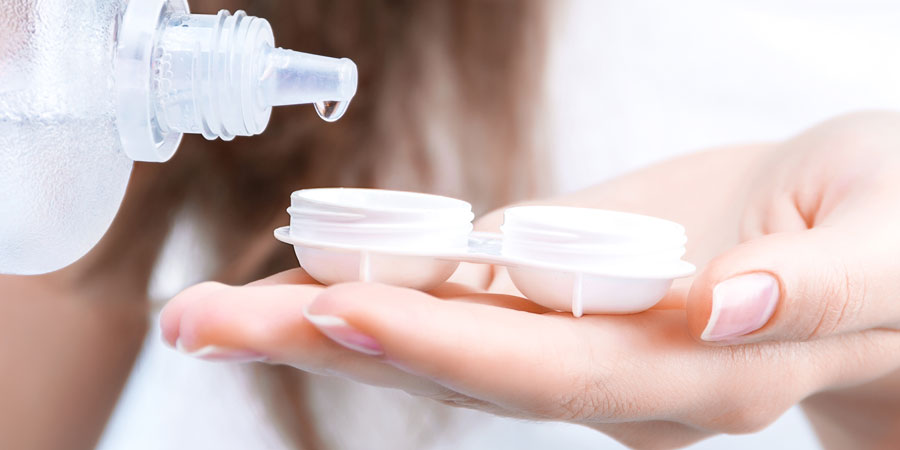
On the other hand, monthly lenses require strict hygiene. You must wash your hands before handling them. You must also clean and store them properly. Skipping steps increases infection risk. Therefore, responsibility plays a big role in this decision.
Studies show that improper lens care is a common cause of irritation. Sleeping in lenses not approved for overnight wear also raises risk. If you tend to forget cleaning steps, daily lenses may be safer.
Comfort and Dryness
Comfort matters every day. Many patients report that daily lenses feel fresher. Since they are thinner and new each day, they often feel smoother. This can help reduce dryness late in the day.
However, modern monthly lenses are also highly breathable. Many are made from silicone hydrogel. This material allows more oxygen to reach the eye. Healthy oxygen flow keeps eyes clear and white.
If you struggle with dry eye, your doctor may suggest daily lenses first. Still, some monthly lenses are designed for dryness relief. The best choice depends on how your eyes respond.
Lifestyle and Convenience
Your daily routine matters. If you travel often, daily lenses are easy. You can pack exactly what you need. There is no need for cleaning supplies. After a long day, you simply remove and discard them.
Athletes also benefit from daily lenses. Dirt and sweat can affect comfort. Fresh lenses each day reduce irritation. Moreover, you avoid storing lenses in locker rooms or travel bags.
However, if you prefer structure, monthly lenses can work well. Cleaning them nightly becomes part of your routine. Many patients adapt quickly. As long as you stay consistent, monthly lenses are safe and effective.
Cost Differences Between Contacts
Cost is often a deciding factor. Daily lenses usually cost more per year. You use 365 pairs annually. That increases supply needs. Insurance may cover part of the expense, but out-of-pocket costs can still be higher.
Monthly lenses require fewer boxes. Because you use 12 pairs per year, the price is lower. Cleaning solution adds some cost. Even so, monthly lenses are generally more budget-friendly.
Still, cost should not outweigh comfort or safety. Eye health is an investment. Discuss pricing with your provider. They can help you balance cost and care.
Environmental Impact
Some patients consider environmental impact. Daily lenses create more packaging waste. Each pair comes sealed in individual blister packs. This increases plastic use over time.
Monthly lenses reduce packaging frequency. However, cleaning solution bottles also create waste. The overall environmental difference varies. Recycling programs for lens packaging are expanding. Therefore, ask your provider about local options.
Which Contacts Are Right for You?
There is no single answer for everyone. Daily lenses offer convenience and hygiene. They are ideal for sensitive eyes and busy lives. Monthly lenses offer lower cost and strong prescription options. They work well for disciplined routines.
Your eye doctor plays an important role. A comprehensive exam evaluates your tear film, cornea, and prescription. Based on these factors, they recommend the safest option. Regular checkups also ensure your lenses fit properly.
If you value simplicity and freshness, daily lenses may suit you best. If you prefer lower cost and do not mind cleaning, monthly lenses can work well.
Ultimately, comfort and eye health guide the final choice. The best contact lens is one you wear safely and comfortably. Clear vision should feel easy. With the right choice, it does.
Schedule your appointment at 1 of our 4 conveniently located offices in San Jose, San Mateo, San Ramon, and Juneau.