

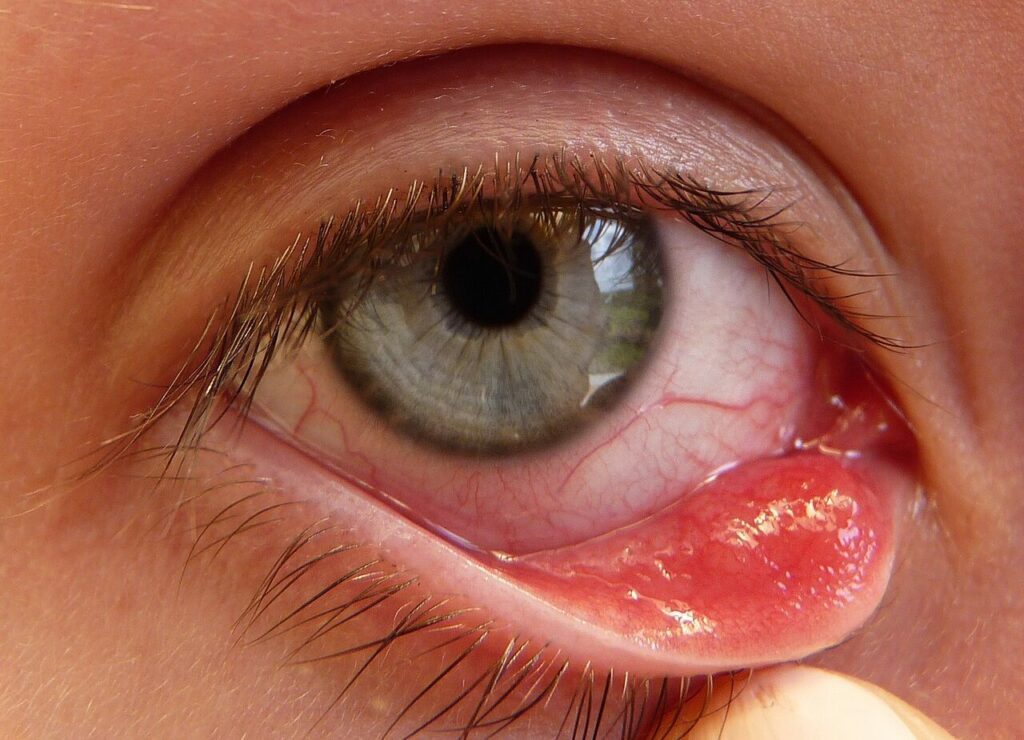
Dry eye is a common condition that can start as mild irritation. However, it can become a daily problem over time. Many people begin with artificial tears for quick relief. While these drops can help, they often do not treat the root cause of dry eye. If symptoms continue, a more complete approach is needed.
Understanding the Cause of Dry Eye
Dry eye is not always due to low tear production. In many cases, the issue is poor tear quality or instability. A condition called keratoconjunctivitis sicca (KCS) can reduce tear production and lead to dryness. As a result, the surface of the eye becomes irritated. This can cause burning, redness, and blurry vision.
The Role of Meibomian Glands
The meibomian glands play an important role in keeping the eyes comfortable. These glands produce the oil layer of your tears. This oil helps prevent tears from evaporating too quickly. When the glands become blocked, it leads to meibomian gland dysfunction (MGD). As a result, tears dry up faster, and symptoms get worse.
How Blepharitis Affects Dry Eye
Blepharitis is a common eyelid condition that often occurs with dry eye. It is caused by bacteria, debris, or buildup along the lashes. Over time, this buildup can block the glands and reduce tear quality. Because of this, the eyes may feel irritated, itchy, or inflamed.
At-Home Treatments for Dry Eye
At-home care is an important part of managing dry eye. Simple daily habits can support in-office treatments and improve results.
Warm compresses can help loosen oils in the glands. This makes it easier for them to flow properly. Eyelid cleansers can also help remove debris and bacteria from the lash line.
In addition, staying hydrated is important. Drinking enough water supports tear production. Omega-3 supplements may also help improve tear quality.
It is also helpful to take breaks from screens. Blinking less during screen time can make symptoms worse. Using a humidifier can add moisture to the air and reduce dryness.
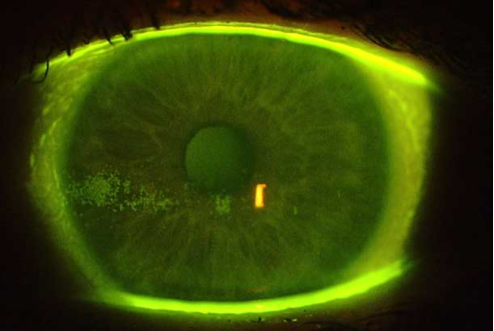
In-Office Treatments for Dry Eye
In-office care can make a big difference, especially when the eyelids and glands are involved. These treatments go beyond basic care and help treat the source of dry eye.
ZEST (Zocular Eyelid System Treatment) uses a natural gel to clean and soothe the eyelids. It can also remove debris and mites that cause irritation. This helps improve comfort and eyelid health.
TearCare use heat and gentle pressure to open blocked glands. This allows the oil layer of the tears to return to normal. As a result, tears stay on the eye longer.
IPL (Intense Pulsed Light) helps reduce inflammation around the eyes. It also improves how the glands function. This treatment is helpful for patients with redness or long-term irritation.
Radiofrequency (RF) uses gentle heat to improve circulation and support gland health. It may also help with eyelid function, which supports better tear stability.
Low-Level Light Therapy (LLLT) uses LED light to gently warm the eyelids and reduce inflammation. This treatment supports gland function and can improve tear quality over time.
Prescription Treatments for Dry Eye
When over-the-counter drops are not enough, prescription medications can help. Treatments like Restasis, Xiidra, and Cequa reduce inflammation. In addition, they help your eyes produce more natural tears. These drops take time to work. However, they can provide more consistent relief with regular use.
Punctal Plugs for Tear Retention
Punctal plugs help when tears drain too quickly. These small inserts are placed in the tear ducts to keep moisture on the eye longer. The procedure is quick and done in-office. As a result, many patients notice better comfort throughout the day.
Scleral Lenses for Moisture and Protection
Scleral lenses are designed to keep the eye constantly hydrated. They hold a layer of fluid over the surface of the eye. This helps reduce dryness and protect against irritation. In addition, they can improve vision in more advanced cases.
When to Seek Treatment
If symptoms continue, it may be time to seek care. Common signs include burning, redness, blurry vision, and frequent use of eye drops. Treating dry eye early can help prevent it from getting worse.
A Personalized Approach to Dry Eye
Dry eye is different for each person. Because of this, treatment should be tailored to your needs. By combining in-office treatments with at-home care, it is possible to improve comfort and support long-term eye health.
Schedule your appointment at 1 of our 4 conveniently located offices in San Jose, San Mateo, San Ramon, and Juneau.