

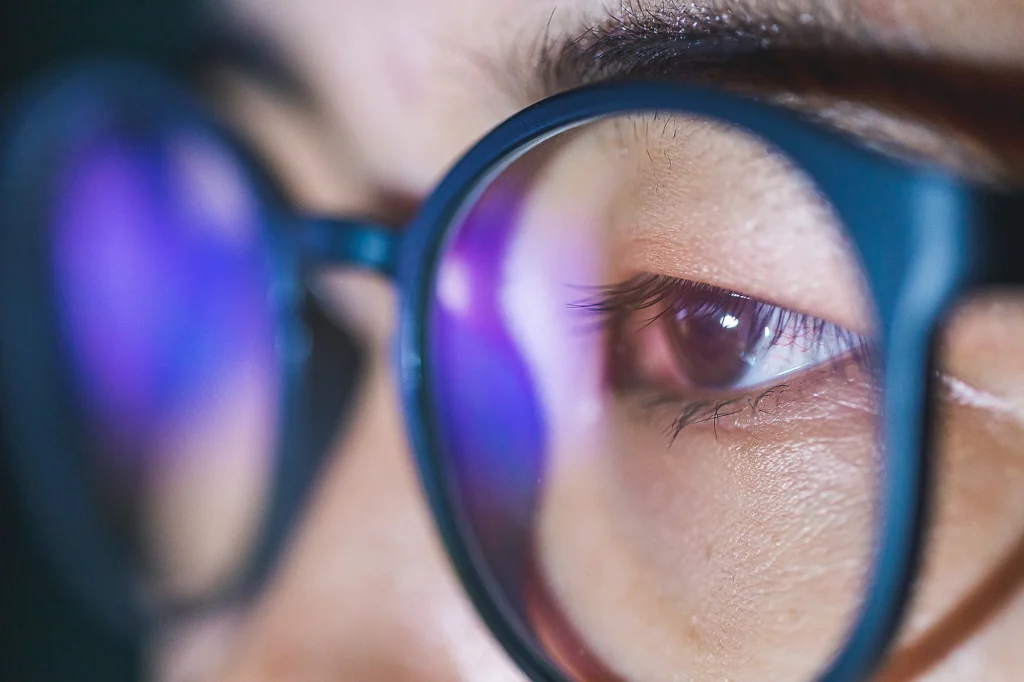
Blue light is everywhere. Screens dominate our daily lives. Phones, laptops, tablets, and TVs are constant. Therefore, many people try glasses or contacts that claim to block high-energy blue light. However, confusion often follows interest. Marketing can be loud. Some warn screens are dangerous. Others promise full protection. As a result, many people wonder what is true. Understanding blue light filtering lenses is important. Also, knowing their limits matters.
What Is Blue Light and Why Does It Matter?
Blue light is part of visible light. It sits between ultraviolet and green light. Additionally, its short wavelength carries high energy. Sunlight is the main source. Screens and LED lights emit it too. However, screen light is weaker than sunlight. Even so, long exposure can cause discomfort. For example, glare from screens often bothers people. It can cause dry and tired eyes.
Blue light also affects sleep. Daytime light helps you stay alert. But evening exposure can delay melatonin. Therefore, timing matters more than total exposure.
How Blue Light–Filtering Glasses Work
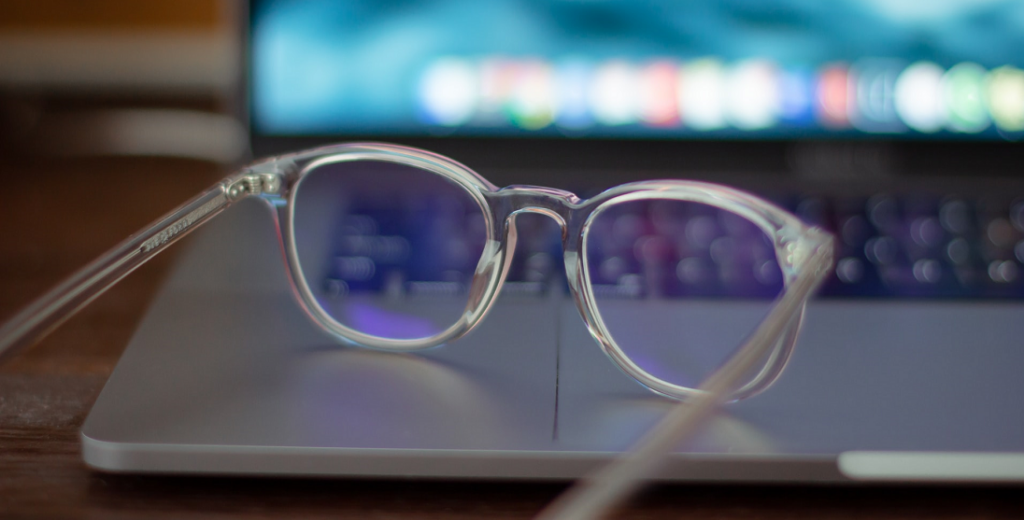
Glasses reduce some blue light. However, they do not block all of it. Some lenses absorb light. Others reflect it. Many modern glasses look clear while some have a slight yellow tint.
This tint helps you see better. It also reduces glare. As a result, long screen time feels easier. In fact, these lenses do not replace UV protection. Most glasses already block UV rays. Therefore, blue light protection is an added feature.
Filtering in Contact Lenses
Contact lenses with blue light filters are newer. It absorbs some high-energy wavelengths. Contacts move with your eye. So, coverage stays consistent all day. Filtering remains steady during those long hours.
The effect is mild. Contacts block less blue light. Pairing with other habits and tools can help reduce blue light exposure.
Misconception #1: Blue Light Filters Don’t Make Any Difference
Some people believe blue light filter glasses do nothing. However, that is not fully true. They do not block all blue light. They also do not prevent eye disease. Still, they can reduce some high-energy wavelengths. As a result, some users notice less glare, dryness, and tired eyes.
For people who spend hours on screens, even small changes matter. In fact, better contrast can make text easier to read. Therefore, long workdays may feel more comfortable.
Blue light filters are not magic. However, they are not useless. For heavy screen users, the comfort benefit can be real.
Misconception #2: Contacts Replace Glasses
Some think contacts make glasses unnecessary. However, they serve different purposes. Contacts give mild filtering all day. Glasses allow stronger filters and coatings. Anti-reflective coatings reduce glare from many angles. Meanwhile, contacts cannot do this.
Glasses also reduce airflow around the eyes. As a result, dryness may improve. Contacts and glasses often work together. Therefore, one does not replace the other.
Misconception #3: All Blue Light Is Harmful
Some think all blue light is bad. However, this is not true. Blue light is important for health. Daytime exposure helps sleep cycles. It also improves alertness and focus.
Blocking too much can cause fatigue. In fact, energy may drop if exposure is too low. Timing is key. Evening light can disrupt sleep. Daytime light is normal and helpful. Therefore, filters work best at night.
Who Benefits Most?
Not everyone benefits equally. It depends on lifestyle. People with long screen time often notice relief. Office workers, students, gamers, and designers may benefit. Also, light-sensitive people may respond well. Some migraine sufferers report less visual stress. However, others notice little difference. Comfort is personal. Therefore, individual experience matters more than trends.
Glasses vs. Contacts: Which Works Best?
The choice depends on habits. Glasses are flexible. Contacts are convenient. Glasses reduce reflections better. Contacts give full-field coverage. Many people use both. Contacts work during the day. Glasses help during long sessions. As a result, this combination often works best.
The Bigger Picture of Digital Eye Comfort
Blue light is only one factor in eye strain. Reduced blinking also matters. Poor posture adds stress. Screen brightness is important. Viewing distance affects focus. Also, uncorrected vision increases fatigue. Simple habits help. The 20-20-20 rule relaxes the eyes. Blinking more prevents dryness. Filters support these habits but do not replace them. In addition, posture and screen breaks are crucial.
Separating Marketing From Reality
Products with blue light protection are heavily marketed. Some claims sound medical. Others rely on fear. However, in reality, lenses improve comfort. They do not treat disease. In fact, they are not cures. Decisions should rely on evidence. Finally, professional guidance helps set expectations.
Final Thoughts
Protective glasses and contact lenses can improve comfort. They reduce glare and ease strain. However, they do not prevent eye disease. Misconceptions are common. Claims of total protection often exaggerate benefits. As a result, confusion continues. Used correctly, these lenses help. Combined with healthy habits, they support modern vision needs. Overall, understanding their role makes all the difference.
Schedule your appointment at 1 of our 4 conveniently located offices in San Jose, San Mateo, San Ramon, and Juneau.