


When most people think about the flu, they picture fever, chills, body aches, and days spent under a blanket. What they don’t picture is their vision.
Yet every year, during flu season, patients walk into optometry offices describing red, irritated eyes, blurred vision, light sensitivity, and discomfort they didn’t expect. They assume it’s allergies or fatigue. They rarely assume the virus that attacked their respiratory system may also be affecting their eyes.
Many people underestimate the connection between systemic illness and ocular health, often unaware of how closely the two are linked. The truth is simple but powerful: your eyes are not isolated from the rest of your body. When your immune system is under attack, your eyes can become vulnerable too.
Understanding how the flu can affect your eye health is not just educational — it’s protective. It can help you recognize warning signs early, prevent complications, and take proactive steps to preserve your vision.
Let’s explore how influenza impacts your eyes, what symptoms to watch for, and why scheduling a comprehensive eye exam after or during flu season is one of the smartest health decisions you can make.
How the Flu Impacts Your Eyes
Influenza is a viral infection that primarily targets the respiratory system. However, because it triggers widespread inflammation throughout the body, its effects are not limited to the lungs and sinuses. The eyes, which contain delicate tissues and mucous membranes, can also respond to this inflammatory cascade.
Here are the most common ways the flu can affect your eye health:
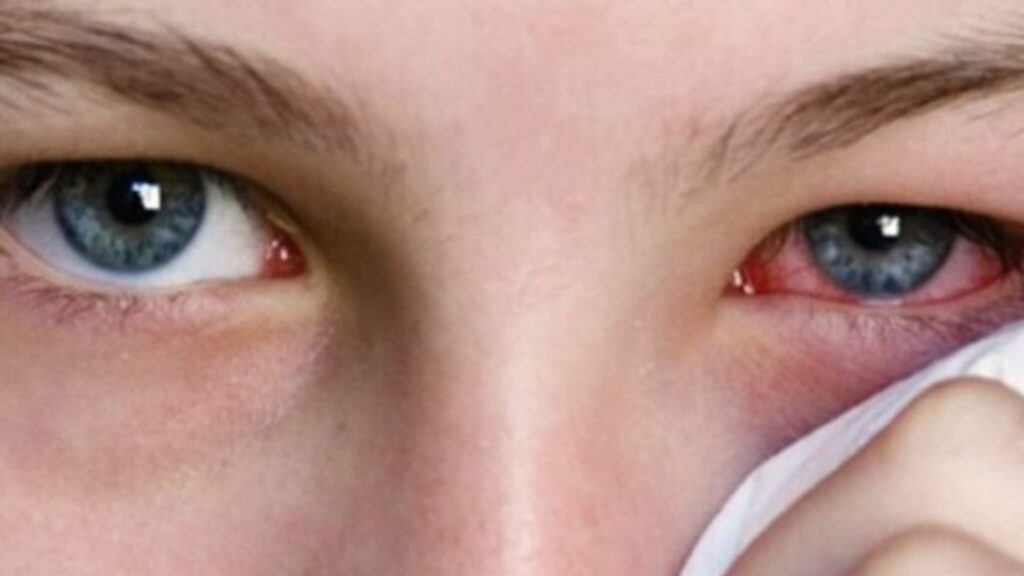
Viral Conjunctivitis (Pink Eye)
One of the most common ocular complications associated with viral illnesses is conjunctivitis. The conjunctiva — the thin, clear tissue covering the white of your eye — can become inflamed due to viral exposure.
Symptoms include:
- Redness
- Watery discharge
- Burning sensation
- Gritty feeling
- Light sensitivity
Viral conjunctivitis is highly contagious. If you’re already battling the flu, your immune system is compromised, which can make the infection linger longer than expected.
Dry Eye Exacerbation
When you have the flu, you’re often dehydrated. Fever, reduced fluid intake, and certain medications can all decrease tear production. This leads to:
- Blurry vision
- Scratchy sensation
- Increased irritation
- Eye fatigue
Patients who already suffer from chronic dry eye may notice significantly worsened symptoms during and after flu recovery.
Sinus Pressure and Eye Pain
The sinuses sit close to the eye sockets. When sinus cavities become inflamed or congested during the flu, the pressure can radiate to the eyes.
This can cause:
- Aching behind the eyes
- Headaches
- Temporary visual disturbances
- Sensitivity to movement
While this discomfort often resolves after the infection clears, persistent pain should never be ignored.
Uveitis (Rare but Serious)
In rare cases, viral infections can trigger inflammation inside the eye, known as uveitis. This is a more serious condition that can threaten vision if left untreated.
Symptoms include:
- Eye pain
- Blurred vision
- Floaters
- Severe light sensitivity
Because uveitis can cause permanent damage, early detection is critical.
Increased Risk of Secondary Infections
When your immune system is weakened by influenza, bacteria have an easier time causing secondary infections. This includes bacterial conjunctivitis or even corneal infections in contact lens wearers.
If you wear contact lenses while sick, you may be increasing your risk. Illness can alter tear chemistry and immune response, making the eyes more susceptible to complications.
The Hidden Risk: Immune Response and Inflammation
One of the most overlooked factors is inflammation. The flu triggers a systemic inflammatory response. Inflammation is your body’s defense mechanism — but when it becomes excessive, it can damage healthy tissues.
The retina, optic nerve, and blood vessels inside the eye are all sensitive to inflammatory changes. While rare, some patients experience temporary vision changes due to vascular inflammation or immune-mediated reactions.
This is why it’s essential not to dismiss vision changes during illness as “just part of being sick.”
Your Eyes and Dehydration
Dehydration is common during the flu. When your body lacks fluids, tear production decreases. Tears are critical for:
- Protecting against infection
- Keeping vision clear
- Delivering oxygen and nutrients to the cornea
Without adequate lubrication, the cornea becomes more vulnerable to scratches, irritation, and infection.
If your eyes feel unusually dry during the flu, artificial tears, hydration, and rest can help — but persistent symptoms should be evaluated professionally.
Should You Wear Contact Lenses When You Have the Flu?
If you’re feeling under the weather, it’s a good idea to give your eyes a break and switch to glasses until you’re fully recovered to reduce irritation and lower the risk of eye infection.
Here’s why:
- Increased eye rubbing spreads germs
- Reduced tear production impacts lens comfort
- Immune suppression raises infection risk
- Lenses can trap pathogens against the cornea
Wearing glasses during illness gives your eyes the opportunity to recover without additional stress.
When to See an Eye Doctor
You should schedule an eye exam if you experience:
- Persistent redness beyond a few days
- Blurred vision that doesn’t improve
- Eye pain
- Sensitivity to light
- Discharge that becomes thick or colored
- New floaters or flashes
Even if symptoms seem mild, an eye exam provides peace of mind. Early intervention can prevent long-term damage.
Flu Season Is Eye Exam Season
Most people schedule medical checkups during or after flu season. However, very few think about their eyes.
Comprehensive eye exams do more than update prescriptions. They allow optometrists to:
- Examine the health of the retina and optic nerve
- Detect inflammatory changes
- Identify infection
- Evaluate tear film quality
- Screen for systemic disease markers
Because the eyes provide a unique window into your overall health, they can reveal complications you may not feel yet.
Preventative Steps to Protect Your Eyes During the Flu
While you can’t always avoid illness, you can minimize ocular complications.
Here’s how:
- Wash your hands frequently and avoid touching your eyes.
- Discontinue contact lens wear while sick.
- Replace eye makeup after illness to prevent reinfection.
- Stay hydrated.
- Use preservative-free artificial tears if needed.
- Get adequate rest.
- Schedule a comprehensive eye exam if symptoms linger.
Vision Is Too Valuable to Ignore
Your eyesight affects every aspect of your life — work, driving, reading, screen time, and daily interactions. Even temporary disruptions can impact productivity and quality of life.
Many people recover from the flu and move on, never realizing their lingering eye irritation or blurry vision deserves professional attention.
This is where proactive care makes all the difference.
Protect Your Vision and Enhance Your Eye Health with Optical Illusions
Get an eye exam with our Board-Certified Optometrists who specialize in helping patients protect their eye health and find the right vision solutions to suit their lifestyle and prescription needs.
Expert Care. Advanced Diagnostics. Comprehensive Eye Exams: Our optometrists will thoroughly evaluate your vision and examine your eyes for signs of inflammation, infection, dryness, and other complications that may arise during or after illness.
At Optical Illusions: An Optometric Practice, we believe that everyone deserves to see clearly and maintain lifelong eye health. Our comprehensive exams include screenings for ocular risk, advanced diagnostic instruments, and personalized care plans to keep your eyes healthy year-round — especially during flu season.
If you’ve recently been sick or noticed changes in your vision, don’t wait.
Schedule your appointment at 1 of our 4 conveniently located offices in San Jose, San Mateo, San Ramon, and Juneau.
Your health doesn’t stop at your lungs — and your recovery shouldn’t stop at your fever breaking.
Clear vision starts with proactive care.