

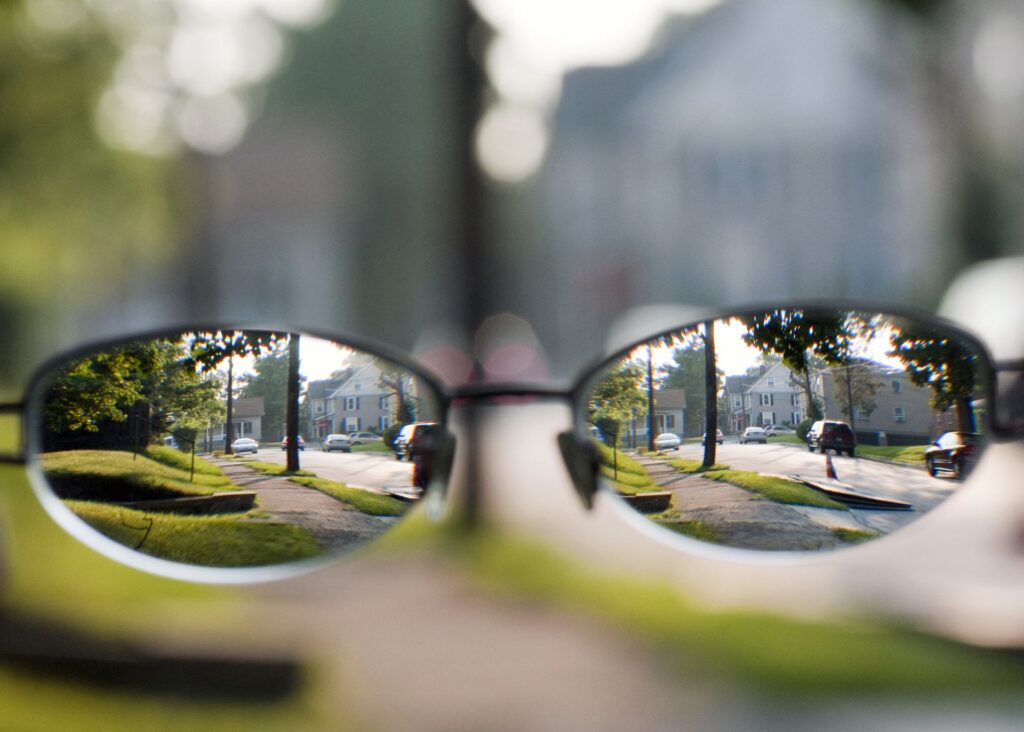
Degenerative myopia is also called pathological myopia. It is more than simple nearsightedness. Many people have myopia and use glasses or contacts. However, this condition goes further. It affects the structure of the eye. Because of this, it can lead to long-term damage.
Myopia happens when the eye grows too long. Light then focuses in front of the retina. As a result, far objects look blurry. In degenerative myopia, the eye keeps stretching. Therefore, the tissues in the back of the eye become thin and weak.
How Degenerative Myopia Develops
At first, it may look like regular myopia. However, the eye continues to grow over time. Because of this, the retina and nearby layers are under stress.
Small changes can begin to form. For example, parts of the retina may stretch unevenly. As a result, vision may look distorted. Straight lines may appear wavy. These changes often happen slowly. In many cases, they take years to develop. Therefore, regular eye exams are very important.
Causes and Risk Factors
There is no single cause. Instead, several factors play a role.
First, genetics is important. If a parent has high myopia, the risk is higher. Because of this, family history matters.
Next, eye growth is a key factor. Some eyes keep growing longer over time. As a result, the risk of damage increases.
In addition, lifestyle can have an effect. Long hours of near work may increase myopia. At the same time, less time outdoors may make it worse. While these do not directly cause degeneration, they can speed it up.
Common Symptoms to Watch For
Early symptoms can seem mild. However, they often get worse over time.
People may notice stronger nearsightedness. Even with new glasses, vision may not feel clear. In addition, objects may look bent or stretched. Floaters are also common. These look like small spots that move across vision. Some people also see flashes of light.
In later stages, central vision may change. This can make reading or driving harder. Therefore, sudden vision changes should be checked right away.
Potential Complications
Degenerative myopia can lead to serious problems. This is because the eye becomes weak.
One risk is retinal detachment. This happens when the retina pulls away. As a result, vision may become dark or blocked. This is an emergency. Another issue is myopic macular degeneration. This affects the center of vision. Therefore, sharp vision may decline.
Glaucoma is also more common. It damages the optic nerve over time. Without care, it can cause vision loss. Cataracts may also appear earlier. Because of this, regular checkups are key.

How It Is Diagnosed
An eye exam is the first step. The doctor checks vision and prescription. Next, the length of the eye may be measured. This helps track growth. In addition, imaging tests may be used. Retinal scans can show early damage. These tools help find problems sooner. Therefore, routine visits are very important.
Management and Treatment Options
There is no cure. However, the condition can be managed.
First, myopia control in children is important. Treatments can slow eye growth. These include special contacts and low-dose atropine drops. Next, regular exams help track changes. Doctors can act early if needed.
Healthy habits also help. More time outdoors is good for the eyes. In addition, breaks from screens can reduce strain. If problems occur, treatments are available. Laser care can fix small retinal tears. Injections may help with macular issues. In severe cases, surgery may be needed.
Why Early Intervention Matters
Many people think myopia is minor. However, this condition is different. It affects the structure of the eye. Because of this, risks are higher. Therefore, early action is important.
In children, slowing myopia can help long term. In adults, regular care helps catch issues early. Early care often leads to better results. It can lower the risk of serious vision loss.
Living With Degenerative Myopia
This condition needs ongoing care. However, many people manage it well.
First, it helps to stay informed. Knowing the signs allows quick action. Next, regular eye exams are key. These visits track changes over time. Finally, working with an eye doctor is important. Care plans can be tailored to each person.
The Growing Importance of Awareness
Myopia is increasing around the world. Because of this, degenerative myopia is more common.
More children are getting myopia earlier. As a result, the risk over time is higher. However, awareness is growing. New treatments are helping slow progression. Because of this, outcomes are improving.
Final Thoughts
Degenerative myopia is more than blurry vision. It is a condition that affects eye health over time. However, it can be managed. Early care makes a big difference. Regular exams and healthy habits help protect vision.
In the end, small steps today can protect sight in the future.
Schedule your appointment at 1 of our 4 conveniently located offices in San Jose, San Mateo, San Ramon, and Juneau.