

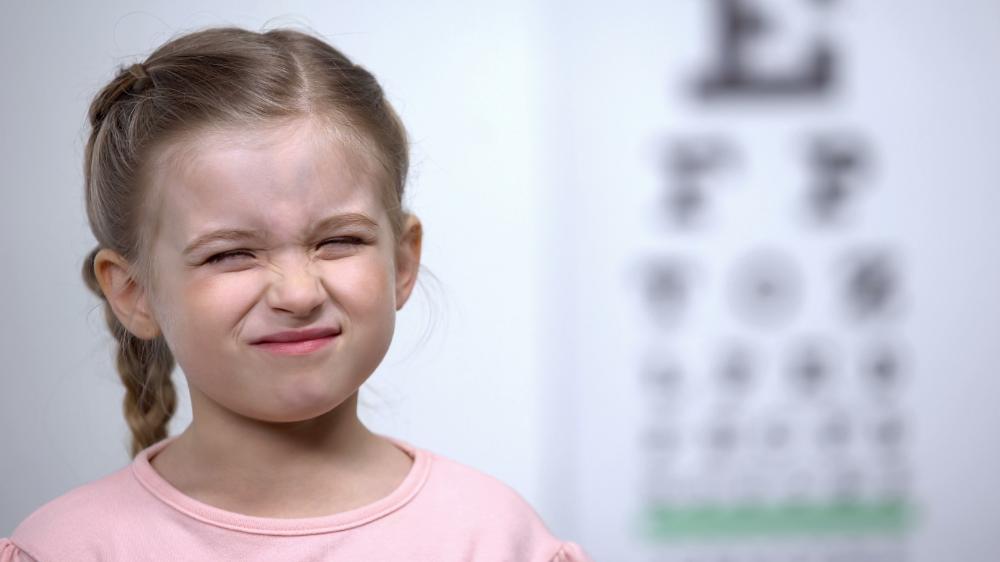
Myopia, or nearsightedness, is becoming more common in children. In fact, many parents now notice early signs at a young age. For example, a child may squint at the board or hold books very close. As a result, what once felt occasional now feels constant.
Moreover, more kids need glasses earlier than before. In addition, their prescriptions often change faster each year. Because of this, many families feel concerned and unsure of what to do next.
However, this rise is not random. Instead, it reflects changes in how children live, learn, and play. Therefore, understanding the cause can help parents respond early. Ultimately, small steps today can protect a child’s vision long term.
What Is Myopia?
Myopia happens when the eye grows too long from front to back. As a result, light focuses in front of the retina instead of directly on it. Because of this, distant objects look blurry while close ones stay clear.
For instance, children with myopia may struggle to see the board at school. Meanwhile, reading up close often feels easy and natural. Over time, they may also develop headaches or eye strain.
In most cases, myopia starts during early school years. Then, it often worsens as the child grows. If left unmanaged, it can continue progressing into the teen years.
Why Is Myopia Increasing?
There are several reasons why myopia is increasing. First, children today spend much more time indoors. For example, schoolwork, homework, and screen use all add up quickly.
At the same time, outdoor time has decreased. This matters because natural light helps guide healthy eye growth. Therefore, without enough outdoor exposure, the risk of myopia rises.
In addition, near work plays a major role. Activities like reading, tablets, and phones require close focus for long periods. Consequently, this constant demand may signal the eye to grow longer.
Genetics also contribute to the risk. For instance, if one or both parents are myopic, the child is more likely to develop it. Even so, lifestyle still has a strong influence. In other words, habits can either increase or reduce the risk.
The Role of Screens and Devices
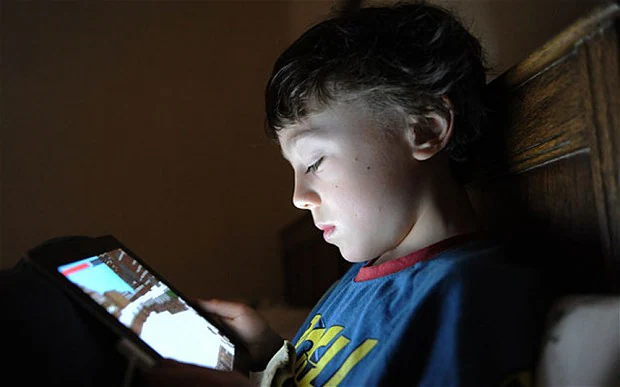
Today, screens are part of daily life. Whether for school or fun, kids use them often. While screens are not the only cause, they do add to the issue.
For example, many children hold devices very close to their face. As a result, the eyes must work harder to focus. Over time, this can increase strain and fatigue.
Additionally, long screen sessions reduce blinking. Because of this, the eyes can become dry and irritated. In turn, vision may feel worse than it actually is.
Therefore, balance is important. By adding breaks and better habits, parents can reduce the strain on their child’s eyes.
Why Early Detection Matters
Myopia is not just about blurry vision. In fact, higher levels of myopia can lead to serious eye problems later in life. For example, risks include retinal detachment, glaucoma, and macular damage.
Because of this, early detection is key. When myopia is found early, it can be managed more effectively. As a result, progression may slow down.
However, children often do not report vision problems. This is because they assume their vision is normal. Therefore, regular eye exams become even more important.
Signs Your Child May Have Myopia
There are several signs parents can watch for. First, squinting is very common. Children may narrow their eyes to see things far away.
In addition, sitting close to the TV is another clue. Similarly, holding books or devices very close can signal a problem. Over time, headaches may also appear.
Sometimes, the signs are less obvious. For example, a child’s school performance may drop. Meanwhile, teachers may notice trouble seeing the board.
If you notice any of these signs, it is best to schedule an eye exam. Acting early can make a big difference.
How Eye Exams Help
Eye exams do more than check vision clarity. In fact, they evaluate how the eyes focus and work together. They also check the overall health of the eye.
For children, the process is simple and comfortable. Even if a child cannot read yet, special tools can measure vision accurately.
As a result, eye doctors can detect myopia early. Then, they can track changes over time. This allows for a personalized plan.
In general, children should have an eye exam each year. However, some may need more frequent visits depending on risk.
Ways to Slow Myopia Progression
Today, managing myopia involves more than just glasses. In fact, several options can help slow its progression.
For example, special contact lenses can change how light reaches the retina. As a result, they help guide healthier eye growth. Similarly, orthokeratology lenses reshape the cornea overnight.
In addition, low-dose atropine eye drops are another option. These drops can help slow eye growth in many children.
At the same time, lifestyle changes remain essential. For instance, increasing outdoor time is one of the most effective steps. Studies suggest at least two hours outside each day.
Furthermore, regular breaks during near work are important. The 20-20-20 rule is simple and effective. Every 20 minutes, look 20 feet away for 20 seconds.
Good lighting and posture also help. Likewise, keeping screens at a safe distance reduces strain.
Building Healthy Vision Habits
Healthy habits can make a lasting difference. First, encourage daily outdoor play. Whether it is sports or simple walks, it all helps.
Next, limit long periods of screen use. In particular, reducing screen time before bed is important. This supports both eye health and sleep.
Also, teach proper viewing distance. For example, screens should be about an arm’s length away. Meanwhile, books should not be too close to the face.
Finally, make eye care part of routine health. Just like dental visits, eye exams should be regular.
What Parents Should Know Moving Forward
In summary, myopia is increasing, but it can be managed. With early action, its impact can be reduced.
Parents play a key role in this process. By staying informed, they can make better choices for their child’s vision. Over time, even small changes can lead to big results.
If you have concerns, schedule an eye exam. It is a simple step, yet it provides clear answers.
Ultimately, helping children see clearly today supports a healthier future.
Schedule your appointment at 1 of our 4 conveniently located offices in San Jose, San Mateo, San Ramon, and Juneau.