
Most people think an eye exam is about reading letters on a chart. But long before you say “one is better or two is better,” your optometrist is already gathering critical information about your eyes, your vision, and your overall health. One of the most important tools behind that process is Retinoscopy.
While it may not be a term most patients recognize, retinoscopy has quietly become one of the most trusted techniques in modern eye exams. It allows optometrists to objectively evaluate how the eyes focus light, even when a patient cannot describe what they see. In today’s world, where vision demands are higher than ever, that objectivity matters.
From newborn babies to elite racehorses, retinoscopy plays a vital role in protecting vision and supporting long-term eye health.
Understanding Retinoscopy
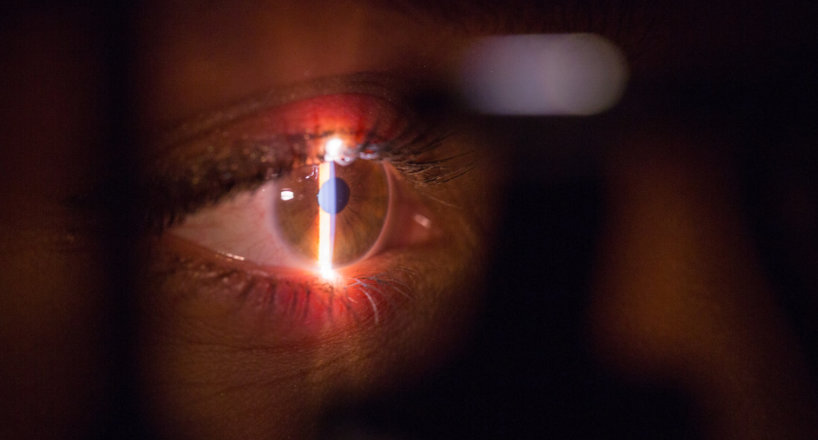
Retinoscopy is a diagnostic technique used during an eye exam to measure how light reflects off the retina at the back of the eye. By observing this reflection, an optometrist can determine whether the eye is properly focused or if a refractive error such as nearsightedness, farsightedness, or astigmatism is present.
What makes retinoscopy unique is that it does not depend on patient feedback. Instead, it provides direct, observable information about how the eyes are functioning. This makes it especially valuable when accuracy is critical or when communication is limited.
During the exam, the optometrist uses a handheld instrument called a retinoscope. A beam of light is directed into the eye, and the movement of the reflected light is carefully analyzed. By adjusting lenses and watching how the reflection changes, the doctor can pinpoint the eye’s focusing needs with remarkable precision.
Why Retinoscopy Is So Important in Eye Exams
Every comprehensive eye exam is designed to do more than update a prescription. Its purpose is to evaluate how well the eyes work together, how efficiently they focus, and whether there are early signs of vision or health concerns.
Retinoscopy supports this goal by giving optometrists a reliable starting point. It helps confirm prescription accuracy, reveals subtle focusing problems, and can highlight visual strain that may contribute to headaches or fatigue. Because it is objective, it often catches issues that patients may not notice or may struggle to describe.
In many cases, retinoscopy guides the rest of the exam. It informs lens testing, supports advanced diagnostic tools, and helps tailor vision correction to a patient’s lifestyle.
Retinoscopy and Pediatric Vision Care
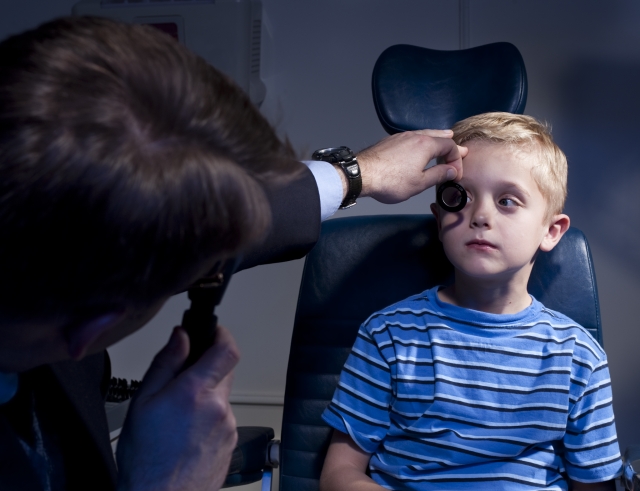
One of the most powerful uses of retinoscopy is in pediatric eye care. Babies and young children cannot explain what they see, yet early vision development is essential for learning, coordination, and overall health.
Through retinoscopy, optometrists can evaluate how an infant’s eyes focus light and whether vision is developing normally. This allows doctors to identify nearsightedness, farsightedness, or astigmatism at a very early age. When issues are detected early, treatment can prevent long-term vision problems and support healthy development.
For parents, this means peace of mind. Even before a child can speak, their vision can be carefully assessed and protected.
How Retinoscopy Is Used Beyond Human Eye Exams
Retinoscopy is not limited to human patients. In fact, it is widely used in veterinary vision research and animal health evaluations.
Horses, for example, rely heavily on vision for balance, navigation, and performance. In regions such as Saudi Arabia and England, where horse racing is a major industry, racehorses undergo detailed health evaluations that may include retinoscopy. Researchers have studied nearsightedness and farsightedness in horses to better understand how vision affects performance and safety.
Dogs are another example. Working dogs such as guide dogs, police dogs, and search-and-rescue animals depend on sharp vision to perform their roles effectively. Because animals cannot describe visual problems, retinoscopy provides an essential window into their eye health.
The fact that this technique is trusted across species speaks to its reliability and clinical value.
Why Objective Vision Testing Matters
Many vision tests depend on subjective responses, but subjective testing has limits. Fatigue, misunderstanding, or communication challenges can affect results. Retinoscopy removes much of that uncertainty.
By directly observing how the eyes respond to light, optometrists can make informed decisions based on physiology rather than guesswork. This is especially important for infants, nonverbal patients, and individuals with neurological or developmental conditions.
Objective testing helps ensure that no patient is overlooked and that vision care is accurate, equitable, and effective.
Retinoscopy in Modern Eye Health
Even as eye care technology advances, retinoscopy remains relevant. Rather than replacing it, modern diagnostic tools work alongside it. Digital imaging, automated refraction, and advanced screening instruments all benefit from the foundational data retinoscopy provides.
Together, these tools allow optometrists to build a complete picture of eye health and visual performance. The result is care that is not only precise but also personalized.
Why Regular Eye Exams Matter More Than Ever
In a world dominated by screens, changing visual demands, and environmental stress, regular eye exams are essential. Vision changes can happen gradually, and early signs of eye disease often go unnoticed without professional evaluation.
Comprehensive exams allow optometrists to monitor changes in vision, assess eye health, and recommend solutions that support comfort and clarity. Techniques like retinoscopy ensure that these exams are thorough and proactive, not reactive.
Protect Your Vision and Enhance Your Look with Optical Illusions
Understanding retinoscopy highlights the value of comprehensive eye care that goes beyond basic vision testing.
Protect Your Vision and Enhance Your Look with Optical Illusions: An Optometric Practice
Get an eye exam with our Board-Certified Optometrists who specialize in helping patients achieve clear vision and long-term eye health.
At Optical Illusions: An Optometric Practice, we believe everyone deserves to see clearly and confidently. Our comprehensive eye exams include objective techniques such as retinoscopy, advanced diagnostic instruments, and personalized care plans designed around your lifestyle and visual needs.
We also provide expert fitting for contacts and eyewear, helping patients find solutions that match both their prescription and personal style. Schedule your appointment at 1 of our 4 conveniently located offices in San Jose, San Mateo, San Ramon, and Juneau.