

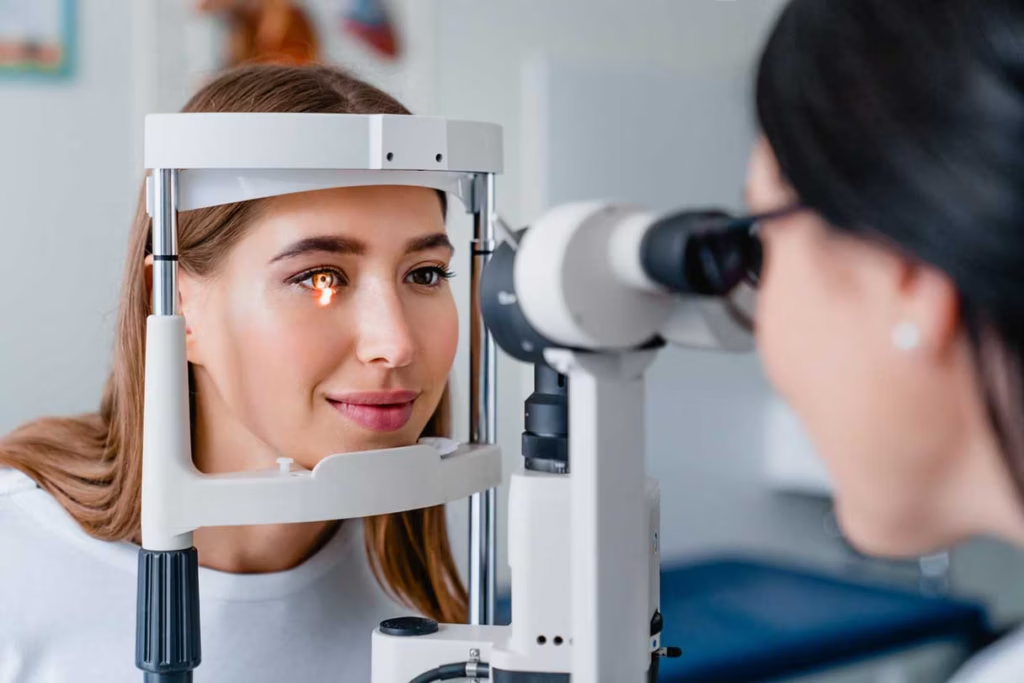
Most people think an eye exam only checks vision. However, it does more. In fact, your eyes can show early signs of health problems, often before symptoms start. Because the visual system connects to the rest of the body, even small changes can signal bigger issues.
In addition, the visual system is very sensitive. As a result, changes in blood flow, nerves, or tissue can appear early. This makes routine visits an important part of preventive care.
How an Eye Exam Reflects Your Overall Health
Your visual system connects closely to your body. For example, the retina has tiny blood vessels that react to health changes. Because of this, doctors can spot early signs of disease during a routine visit.
However, these changes do not always affect sight right away. Instead, many conditions develop slowly. Over time, tracking small changes helps providers catch problems early.
Signs of Diabetes
Diabetes often shows up during a vision check. For instance, high blood sugar damages small blood vessels and leads to serious complications.
At first, your sight may seem normal. However, early signs often appear during an evaluation. Because of this, early detection helps protect long-term health.
Eye Exam Clues of High Blood Pressure
High blood pressure affects the small vessels in the retina. Over time, they can narrow or weaken.
During a checkup, providers can see these changes. As a result, early action can lower the risk of heart disease or stroke.
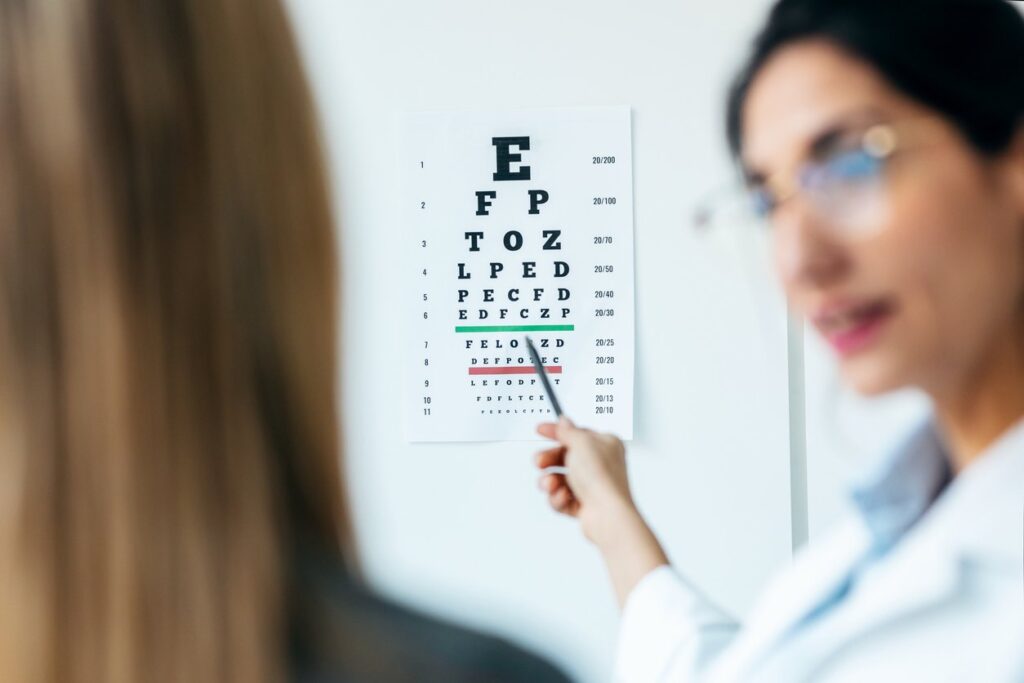
Indicators of High Cholesterol
High cholesterol can cause visible changes. For example, a light ring may form around the cornea.
While this can happen with age, it may also signal high cholesterol. Therefore, a provider may suggest more testing.
Autoimmune Conditions and Ocular Symptoms
Autoimmune diseases can affect visual health. In many cases, they cause redness, dryness, or pain.
For example, conditions like arthritis or lupus may show up this way. Because of this, early care can reduce symptoms and prevent complications.
Liver and Kidney Issues Visible in the Eye Area
The white part of the eye can change color. For instance, yellowing may point to liver problems.
In addition, swelling around the eyes may suggest kidney issues. Therefore, these signs should not be ignored.
Brain and Nerve Conditions Affecting Vision
Vision connects directly to the brain. Because of this, double vision or trouble focusing can signal nerve issues.
In some cases, these symptoms appear suddenly. Therefore, they need quick attention. Early care can help find the cause.
Why Eye Exams Are Important for Your Health
Routine visits do more than update a prescription. In fact, they support preventive care.
Many conditions show no early symptoms. However, the eyes may reveal warning signs. As a result, regular visits help catch problems early.
When to Schedule an Eye Exam
Watch for blurry vision, discomfort, or sudden changes. In addition, redness or swelling can signal a problem.
You may also notice light sensitivity or headaches. If so, schedule a visit soon.
The Bottom Line
Your eyes can reveal more than vision problems. In fact, they can show early signs of health conditions.
Because of this, regular care supports both vision and overall health. In the long run, early detection makes treatment easier and more effective.
Schedule your appointment at 1 of our 4 conveniently located offices in San Jose, San Mateo, San Ramon, and Juneau.