

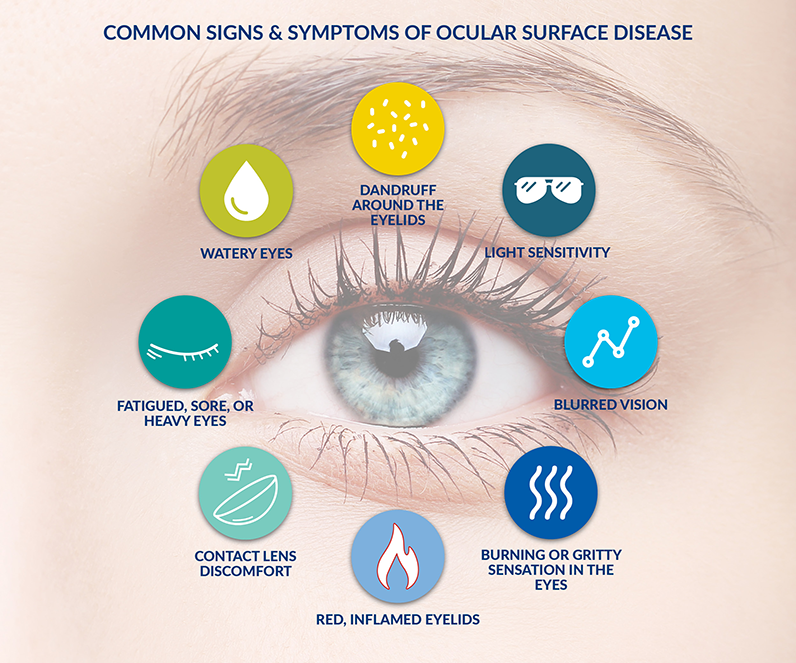
In the past, dry eye was mostly linked to aging. However, that trend has clearly changed. Today, more young adults report burning, irritation, and blurred vision. As a result, eye doctors are seeing a steady rise in dry eye cases among younger patients.
So, why is this happening now? To begin with, modern life places constant strain on the eyes. In addition, daily habits have shifted in ways that directly affect tear health. Therefore, dry eye is no longer just an age-related issue.
What Dry Eye Really Means
Before exploring the causes, it helps to understand the condition itself. Essentially, dry eye occurs when the tear film becomes unstable. Tears are made of three layers: oil, water, and mucus. Together, these layers protect and hydrate the eye.
However, when one layer is weak, the entire system suffers. As a result, the eyes may feel dry, gritty, or tired. In some cases, they may even water excessively. Although this seems confusing, it is actually a response to irritation.
How Screen Time Is Changing the Way We Blink
First and foremost, screen use is a major factor. Today, young adults spend hours on phones, tablets, and computers. Because of this, blinking patterns begin to change.
For example, when focusing on a screen, people blink less often. In fact, blink rates can drop significantly. Consequently, tears do not spread evenly across the eye.
Moreover, incomplete blinking becomes common. This means the tear film is not fully refreshed. Over time, this leads to faster evaporation and increased dryness.
Why Contact Lenses Can Add to the Problem
In addition to screen use, contact lenses can contribute to dry eye. While they are convenient, they sit directly on the tear film. Because of this, they can disrupt its natural balance.
Furthermore, some lenses reduce oxygen flow to the eye. As a result, the surface may become irritated, especially with long wear times.
On the other hand, daily disposable lenses often allow more oxygen to pass through. Therefore, they tend to be more comfortable for patients with dryness. Even so, proper wear and care are still essential.
The Impact of Dry Indoor Environments
Another important factor is the environment. Most people spend long hours indoors. Unfortunately, indoor air is often dry.
For instance, air conditioning and heating systems remove moisture from the air. Consequently, tears evaporate more quickly. In office settings, this effect is even stronger due to constant airflow.
Likewise, outdoor conditions can play a role. Wind and pollution can irritate the eyes. As a result, the tear film becomes less stable.
How Diet and Hydration Influence Tear Health
Beyond environment and habits, nutrition also matters. Many young adults do not consume enough omega-3 fatty acids. These nutrients support the oil layer of the tear film.
Without them, tears evaporate faster. Therefore, dryness becomes more likely.
In addition, hydration plays a key role. When the body lacks water, tear production can decrease. Even mild dehydration can lead to discomfort.
Hormonal Changes and Their Subtle Effects
At the same time, hormones can influence eye health. Changes in hormone levels affect how tears are produced and maintained.
For example, women may notice dryness during hormonal shifts. This can occur with birth control or monthly cycles. Meanwhile, stress can also affect hormone balance in both men and women.
As a result, dry eye symptoms may appear without an obvious cause.
The Link Between Sleep, Stress, and Eye Comfort
Equally important is sleep. When sleep is limited, the eyes do not fully recover. Therefore, irritation and dryness can build up over time.
In addition, stress increases inflammation in the body. Because of this, it can disrupt normal tear function.
Together, poor sleep and high stress create conditions that worsen dry eye symptoms.
Everyday Habits That Often Go Unnoticed
Surprisingly, small daily habits can also contribute. For instance, applying eyeliner along the inner lash line can block oil glands. These glands are essential for preventing tear evaporation.
Similarly, certain skincare products may irritate the eyes. If they enter the tear film, they can disrupt its balance.
Over time, these small factors can add up and worsen symptoms.
Underlying Conditions That May Be Missed
In some cases, dry eye is linked to underlying conditions. One common example is meibomian gland dysfunction. These glands produce the oil layer of tears.
However, when they become blocked, the tear film breaks down more quickly. As a result, dryness becomes chronic.
Additionally, conditions like blepharitis can contribute. Because these issues are not always obvious, an eye exam is often needed for diagnosis.
Why This Trend Continues to Grow
When looking at the bigger picture, the cause becomes clear. Modern lifestyles combine multiple risk factors. For example, increased screen time, poor sleep, and dry environments all overlap.
As a result, the eyes are under constant stress. Therefore, younger adults are now experiencing symptoms that were once uncommon at their age.
Unless habits change, this trend will likely continue.
Simple Steps to Improve Eye Comfort
Fortunately, there are ways to manage dry eye. To start, follow the 20-20-20 rule. Every 20 minutes, look 20 feet away for 20 seconds. This helps reset blinking patterns.
In addition, focus on blinking fully. Although it seems simple, it makes a big difference.
You can also improve your environment. For example, using a humidifier adds moisture to the air. At the same time, avoid direct airflow from vents or fans.
Furthermore, staying hydrated and eating omega-3-rich foods supports tear health. If you wear contacts, consider discussing lens options with your eye doctor.
When to See a Doctor for Dry Eye
Even with these steps, symptoms may persist. Therefore, it is important to seek professional care when needed.
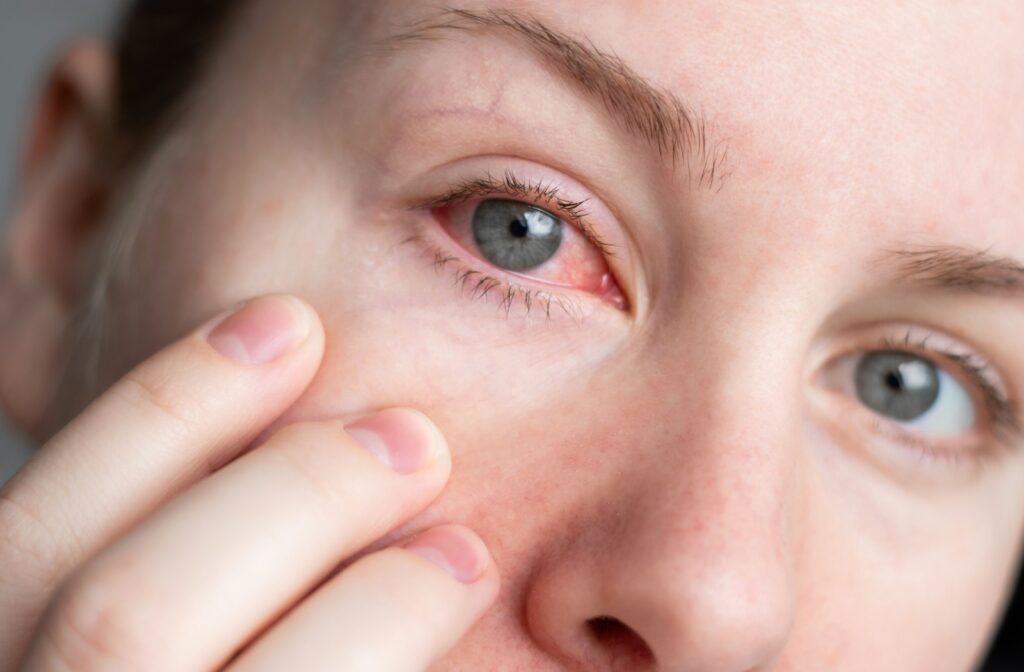
If you notice burning, redness, or blurred vision, do not ignore it. Instead, schedule an eye exam. An eye doctor can evaluate tear quality and gland function.
With early treatment, symptoms can improve more quickly.
Protecting Your Eyes for the Future
In conclusion, dry eye is becoming more common in young adults. However, this trend is not without reason. Modern habits and environments play a major role.
The good news is that small changes can make a big impact. By adjusting daily routines and seeking care when needed, long-term eye health can be protected.
Ultimately, the eyes are used every day. Therefore, taking care of them now will lead to better comfort and clearer vision in the future.
Schedule your appointment at 1 of our 4 conveniently located offices in San Jose, San Mateo, San Ramon, and Juneau.