

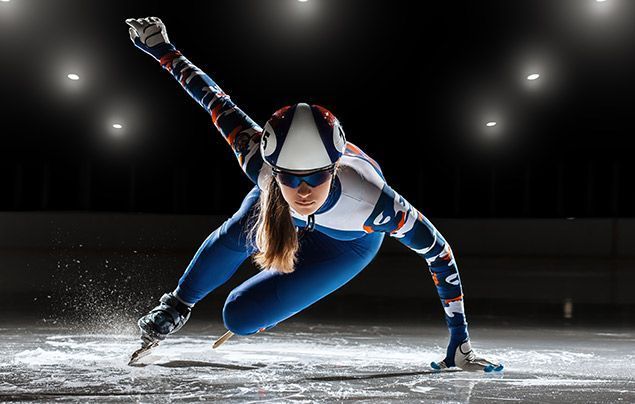
Every four years, the Winter Olympics captivate the world. Athletes fly down mountains and glide across frozen rinks. Yet, one key factor often stays in the background. Vision drives every move.
Without clear eyesight, performance drops fast. Even a small blur can cause mistakes. Because of this, eye care matters more than many people think. In fact, it can shape success on the ice and snow.
Why Vision Is Critical in Winter Sports
Winter sports move at high speed. Therefore, athletes must react instantly. At the same time, they face harsh weather and bright light.
Because conditions change quickly, sharp vision becomes essential. It helps athletes judge distance and speed. In addition, it improves balance and timing. As a result, athletes perform with more confidence and control.
Snow Glare Creates Serious Visual Challenges
Snow reflects a large amount of sunlight. Because of this, glare becomes intense. In turn, eyes strain faster.
Over time, constant glare can reduce comfort and focus. Therefore, Olympic athletes rely on tinted lenses. These lenses cut glare and boost clarity. Likewise, anyone spending time outdoors in winter should protect their eyes.
UV Exposure Is Higher Than You Think in Winter
Many people link UV damage to summer. However, winter can be just as risky. Snow reflects UV rays back into the eyes.
As a result, exposure increases even on cold days. For that reason, athletes wear UV-blocking goggles. Similarly, winter sunglasses help protect everyday eyes. This protection supports long-term eye health.
Cold Air and Wind Dry Out the Eyes
Cold air reduces tear production. Because of this, eyes dry out faster. Wind then worsens the problem.
When dryness sets in, vision may blur. As a result, focus drops. Goggles help trap moisture around the eyes. In addition, staying hydrated supports healthy tear flow.
Contrast Sensitivity Shapes Performance on Ice and Snow
Snow creates a bright, white environment. Therefore, visual contrast drops. Objects can blend into the background.
Because of this, athletes rely on strong contrast sensitivity. It helps skiers spot uneven terrain. Meanwhile, skaters read ice texture more clearly. As a result, they move with greater precision and safety.
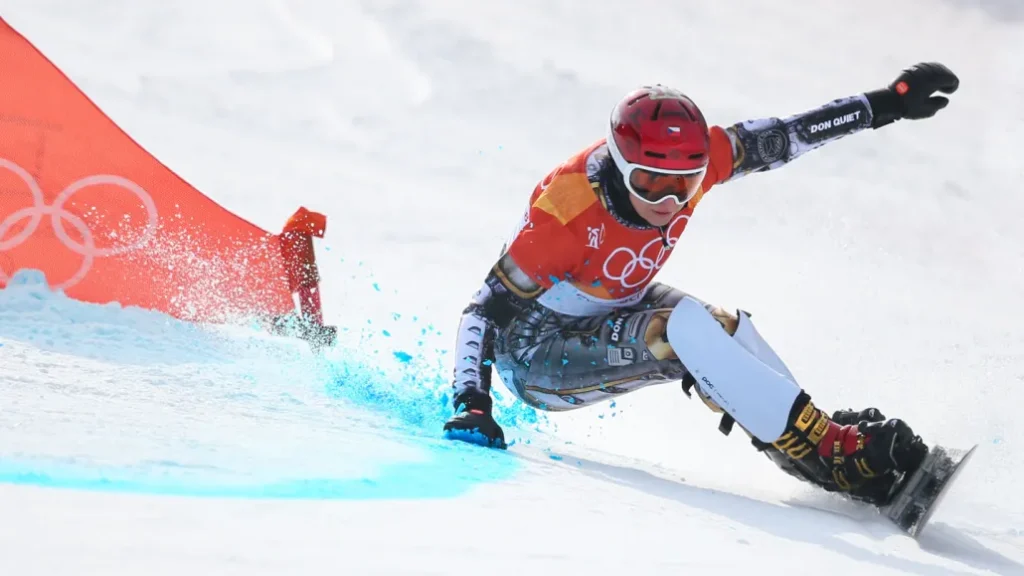
Depth Perception Helps Athletes Stay in Control
Depth perception plays a major role in winter sports. It helps athletes judge distance and speed. Without it, timing suffers.
For example, snowboarders need to land jumps safely. Hockey players must track the puck at high speed. Therefore, clear binocular vision becomes essential for performance and injury prevention.
Protective Eyewear Supports Comfort and Safety
Olympic athletes never overlook eyewear. Goggles block wind, snow, and debris. They also enhance visual sharpness.
At the same time, the right lenses reduce eye fatigue. For everyday activities, winter sunglasses offer similar benefits. In the long run, protective eyewear preserves eye health.
Eye Strain Can Affect Focus and Reaction Time
Eye strain builds quickly in cold conditions. Bright light and wind increase the load on the eyes. As a result, fatigue sets in faster.
When eyes tire, reaction time slows. Consequently, performance drops. Taking visual breaks and using proper eyewear helps reduce strain. These habits support better focus.
Regular Eye Exams Keep Vision at Its Best
Elite athletes test every part of their bodies. Naturally, vision care plays a role. Regular eye exams detect issues early.
In the same way, routine exams help non-athletes. They catch changes in contrast, focus, and clarity. As a result, people see better and feel more comfortable during winter.
What the Winter Olympics Teach Us About Eye Care
The Winter Olympics prove that vision matters. Behind every medal stands clear eyesight. Protection and clarity drive success in extreme conditions.
Even if you never compete, these lessons still apply. By caring for your eyes, you protect your vision year-round. Most importantly, you stay confident, comfortable, and safe all winter long.
Schedule your appointment at 1 of our 4 conveniently located offices in San Jose, San Mateo, San Ramon, and Juneau.