

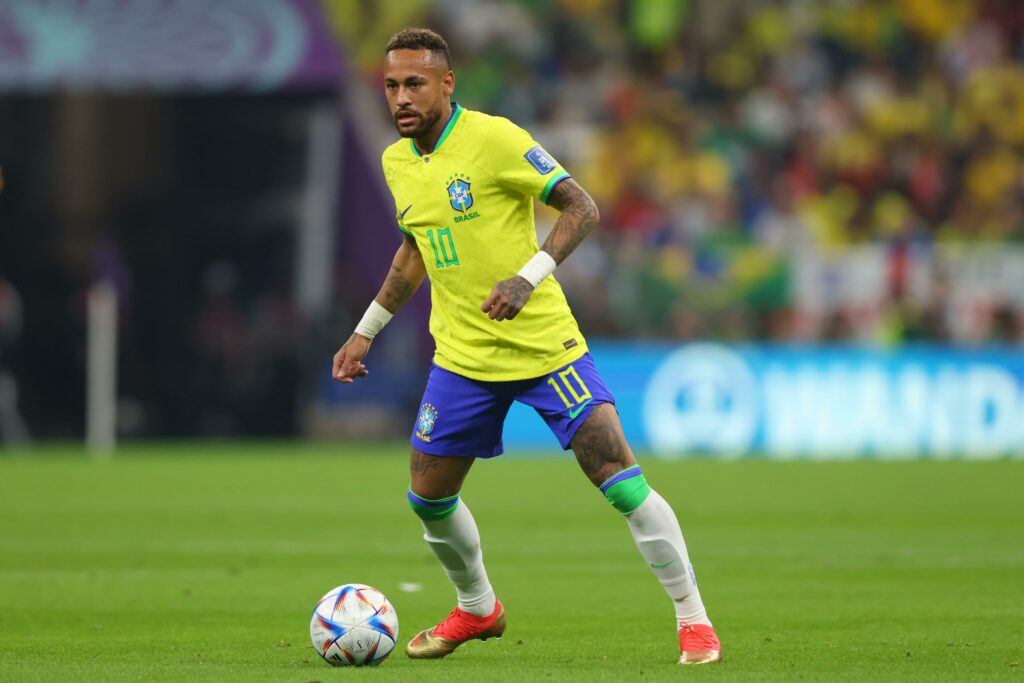
As anticipation builds for the 2026 FIFA World Cup, excitement is reaching a fever pitch across North America and beyond. With matches set to take place in massive, state-of-the-art stadiums across the United States, Canada, and Mexico, this tournament is expected to be the largest and most attended World Cup in history. Fans are already securing tickets, planning travel, and imagining the electric atmosphere of watching the world’s greatest players compete live.
But amid the roaring crowds and dazzling plays, there’s a quieter, often overlooked issue affecting millions of spectators: the ability to clearly see what’s happening on the pitch.
For many attendees, especially those seated high in the stands, watching a live football match isn’t always the crisp, immersive experience it’s made out to be. Instead, it can become a frustrating exercise in squinting, guessing, and relying on stadium screens. At the heart of this issue lies a widespread and underappreciated challenge—long-distance vision problems.
The Stadium Experience: Bigger Isn’t Always Better
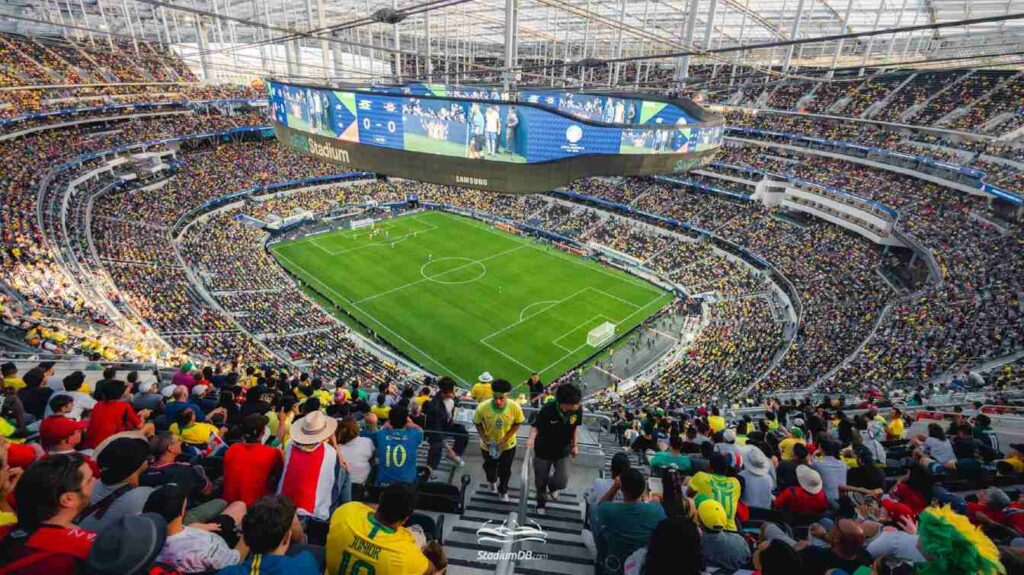
Modern World Cup stadiums are architectural marvels, designed to hold anywhere from 60,000 to over 100,000 spectators. While these venues provide incredible scale and atmosphere, they also introduce a fundamental challenge: distance.
Fans seated in upper tiers may be hundreds of feet away from the pitch. From that vantage point, players can appear no larger than moving dots, and following the ball requires sharp visual acuity. For individuals with even mild vision impairments—such as nearsightedness (myopia), astigmatism, or uncorrected refractive errors—this distance can turn a thrilling match into a blurred spectacle.
In fact, many people may not even realize they have a vision problem until they’re placed in an environment like a stadium, where long-distance clarity becomes essential.
The Silent Prevalence of Vision Issues
Globally, billions of people live with some form of vision impairment, and a significant portion of these cases are either uncorrected or undercorrected. Nearsightedness, in particular, has been increasing at an alarming rate, especially among younger populations who spend more time on digital devices and less time outdoors.
By 2026, it is estimated that nearly half the world’s population could be affected by myopia. While many individuals rely on glasses or contact lenses, not everyone has up-to-date prescriptions, and some may choose not to wear corrective lenses during events for comfort or convenience.
At a World Cup match, this can have a noticeable impact. Recognizing players, tracking passes, or even distinguishing which team is in possession can become difficult. The experience shifts from immersive to detached, as fans rely more on large video screens than the live action itself.
When the Game Becomes a Blur
Imagine this: you’ve waited years to attend a World Cup match. The stadium is buzzing, the national anthem echoes through the air, and kickoff begins. But within minutes, you find yourself struggling to follow the game. The players blend into the grass, jersey numbers are unreadable, and the ball disappears in the chaos.
You start to lean forward, squint, and strain your eyes. Maybe you glance at the giant screen more often than the field. You miss subtle movements, tactical formations, and the artistry of the players’ footwork. The magic of being there in person begins to fade.
This is the reality for countless fans, and it underscores the importance of addressing eye health—not just for everyday life, but for once-in-a-lifetime experiences.
The Role of Eye Care in Enhancing the Fan Experience
Preparing for the 2026 World Cup shouldn’t just involve booking flights and buying jerseys—it should also include a visit to an eye care professional.
A comprehensive eye exam can detect refractive errors and ensure that prescriptions are up to date. For those who already wear glasses or contacts, even a slight adjustment can significantly improve clarity at long distances. For others, it may be the first step in discovering a correctable issue that has gone unnoticed.
Advancements in vision correction technology also offer more options than ever before. Lightweight, anti-glare glasses can enhance contrast and reduce strain under bright stadium lights. Contact lenses designed for comfort during long wear can be ideal for all-day events. Some individuals may even consider long-term solutions such as laser vision correction.
Stadium Design and Accessibility
Interestingly, stadium designers are increasingly aware of the visual challenges faced by spectators. Many modern venues incorporate high-definition video boards, improved lighting, and seating layouts designed to optimize sightlines.
However, even the best design cannot compensate for uncorrected vision problems. While technology can enhance the viewing experience, it cannot replace the clarity provided by healthy, well-corrected eyesight.
Accessibility also plays a role. Clear signage, readable scoreboards, and visual aids are essential for fans with varying levels of vision. As the 2026 World Cup aims to be the most inclusive tournament yet, addressing visual accessibility will be an important consideration.
Digital Screens vs. Live Action
One of the paradoxes of attending a live match is the increasing reliance on digital screens. For fans struggling with distance vision, the giant screen often becomes the primary way to follow the game. Replays, close-ups, and commentary provide clarity that the live view cannot.
But this raises an important question: if you’re watching most of the action on a screen, how different is the experience from watching at home?
The answer lies in immersion—the atmosphere, the crowd, the shared emotion. Yet, when visual clarity is compromised, even these elements can feel diminished. Ensuring good vision allows fans to fully engage with both the live action and the surrounding energy.
Eye Strain and Fatigue
Beyond clarity, prolonged focus on distant objects can lead to eye strain, especially in challenging lighting conditions. Night matches, bright floodlights, and rapidly moving play can all contribute to visual fatigue.
Symptoms may include headaches, dry eyes, blurred vision, and difficulty maintaining focus. For fans attending multiple matches or spending long hours in stadiums, these issues can accumulate.
Simple strategies—such as taking breaks, blinking regularly, and staying hydrated—can help. However, proper vision correction remains the most effective way to reduce strain and enhance comfort.
A Broader Perspective: Vision and Everyday Life
The challenges faced in a stadium are a microcosm of a larger issue. If someone struggles to see players on a football pitch, they may also be experiencing difficulties in other areas—driving, reading signs, or recognizing faces at a distance.
The World Cup, in this sense, becomes an unexpected diagnostic moment. It highlights the importance of vision in ways that daily routines may not.
By addressing these issues, individuals not only improve their enjoyment of major events but also enhance their overall quality of life.
Looking Ahead to 2026
The 2026 World Cup promises unforgettable moments—stunning goals, dramatic upsets, and the unifying power of sport. For fans lucky enough to attend, it will be a chance to witness history firsthand.
But to truly appreciate the beauty of the game, clear vision is essential.
As you prepare for the tournament, consider adding one more item to your checklist: your eye health. Whether it’s updating your prescription, investing in quality eyewear, or simply becoming more aware of your vision, small steps can make a big difference.
Because when the decisive goal is scored, when the crowd erupts, and when the world comes together in celebration, you won’t want to miss a single detail.
In the end, the World Cup is about seeing greatness—on the pitch, in the players, and in the shared human experience. And to see it clearly is to experience it fully.
Schedule your appointment at 1 of our 4 conveniently located offices in San Jose, San Mateo, San Ramon, and Juneau.