

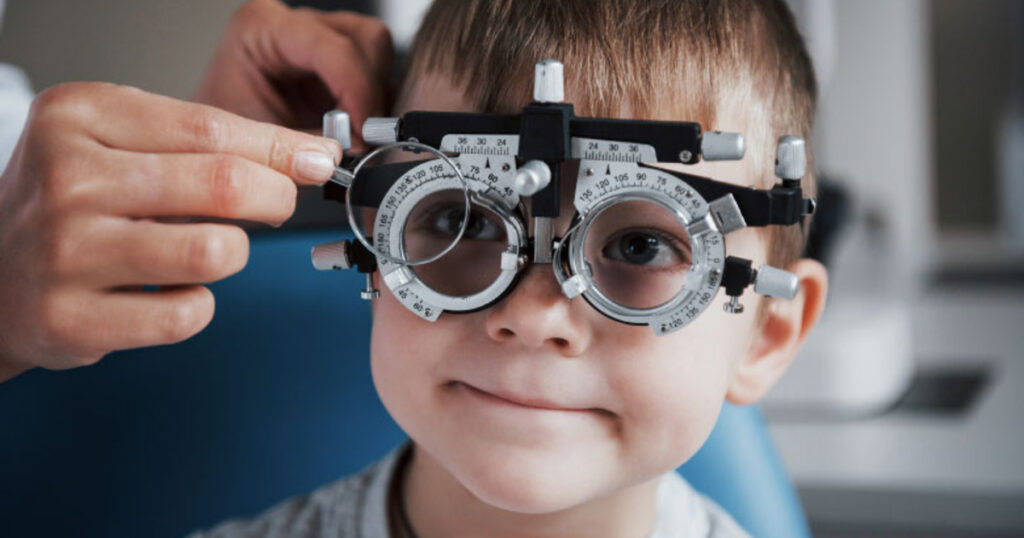
As parents, we make sure our kids see the doctor, the dentist, and get their hearing checked. But many families are surprised to learn that children also need regular eye exams, even if they do not complain about their vision.
Good vision plays a huge role in your child’s learning, development, and confidence. Here is why children’s eye exams are so important.
1. Vision Problems Are Common in Children Eye Exams
Many vision problems begin in childhood. In fact, millions of children have undiagnosed vision issues that can affect how they learn and interact with the world.
Common childhood vision problems include:
- Nearsightedness, which causes trouble seeing far away
- Farsightedness, which causes trouble seeing up close
- Astigmatism, which causes blurred or distorted vision
- Lazy eye, also called amblyopia
- Eye teaming or focusing problems
The tricky part is that kids often do not realize their vision is not normal. They assume everyone sees the way they do.
2. Vision Affects Learning and School Performance
Up to 80 percent of learning is visual.
Children use their eyes constantly in school while reading books, looking at the board, using tablets, and writing homework. If a child cannot see clearly or their eyes struggle to focus, school can become frustrating.
Signs your child may be having vision problems include:
- Squinting
- Sitting very close to screens
- Frequent headaches
- Rubbing their eyes often
- Avoiding reading
- Short attention span during homework
Sometimes children are labeled as having attention or behavior issues when the real problem is that they cannot see clearly.
3. Early Detection Makes a Big Difference
Many pediatric eye conditions are much easier to treat when caught early.
For example:
- Lazy eye, also called amblyopia, is far more successful to treat when diagnosed at a young age
- Strong prescriptions can be managed more effectively when monitored early
- Eye coordination problems can often be corrected before they impact learning long term
The earlier we catch a problem, the better the outcome.
4. School Screenings Are Not Enough
Many parents assume school vision screenings replace a full eye exam. Unfortunately, they do not replace a trip to the eye doctor.
School screenings typically only check distance vision. They do not test:
- Eye health
- Focusing ability
- Eye coordination
- Depth perception
- Early signs of eye disease
A comprehensive eye exam checks how your child’s eyes work as a team and ensures their eyes are healthy inside and out.
5. When Should Children Have Eye Exams?
Most optometrists recommend:
- First eye exam between 6 to 12 months of age
- Another exam around age 3
- Before starting kindergarten
- Every year after that, or as recommended by your optometrist
Even if your child seems to see fine, regular exams help make sure their eyes are developing properly.
6. Eye Exams Are Easy and Child Friendly
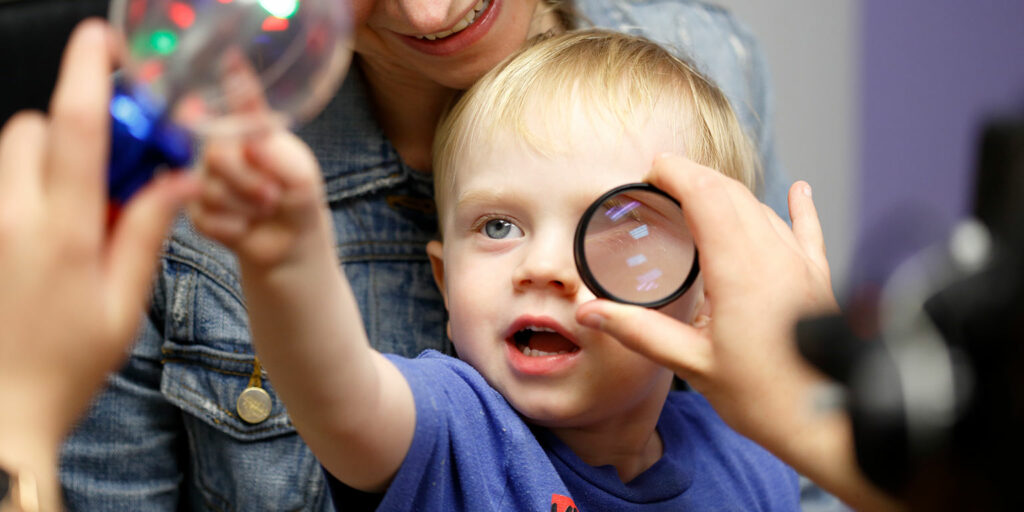
Parents are often surprised at how simple and stress free a child’s eye exam can be. We use age appropriate tools and make the experience fun and comfortable.
Children do not need to know their letters to have their vision tested. We have special ways to check vision at every stage of development.
The Bottom Line
Clear vision is essential for your child’s success in school, sports, and everyday life. Many vision problems have no obvious signs, which is why routine eye exams are so important.
If your child has not had a comprehensive eye exam, now is the perfect time to visit your local optometrist.
Healthy eyes today can make a big difference in their future.
Schedule your appointment at 1 of our 4 conveniently located offices in San Jose, San Mateo, San Ramon, and Juneau.