

Why Won’t My Eye Doctor Finalize My Contact Lens Prescription?
You finally made time for your eyeglass and contact lens appointment. You sat through testing, tried contact lenses, and began adjusting to a new way of seeing the world. Then, life happened. Work got busy. Family obligations piled up. Weeks passed, then months. Suddenly, when you tried to order more contacts, you were told your prescription could not be finalized because the trial period had expired after 90 days.
Frustrating? Absolutely.
But here’s what many patients do not realize: that 90-day window is not meant to inconvenience you. In fact, it exists to protect something far more valuable than convenience—your vision.
Your eyes are constantly changing. Contact lenses are classified as medical devices, and even a lens that feels comfortable at first can quietly create problems beneath the surface of your eye over time. Redness, corneal irritation, oxygen deprivation, dry eye symptoms, or subtle fit issues may not become noticeable immediately.
When an optometrist declines to finalize a contact lens prescription after 90 days, it is rarely about policy alone. It is about ensuring that the lenses you wear are still healthy, safe, and appropriate for your eyes.
In a world where convenience often wins, eye care professionals are tasked with protecting long-term ocular health—even when patients do not immediately see the reason behind it. Understanding why this process exists can help you better appreciate the role contact lens evaluations play in preserving healthy eyes, clear vision, and lifelong protection.
Why Contact Lens Prescriptions Are Different From Glasses Prescriptions
One of the biggest misunderstandings among patients is believing that a glasses prescription and a contact lens prescription are essentially the same thing.
They are not.
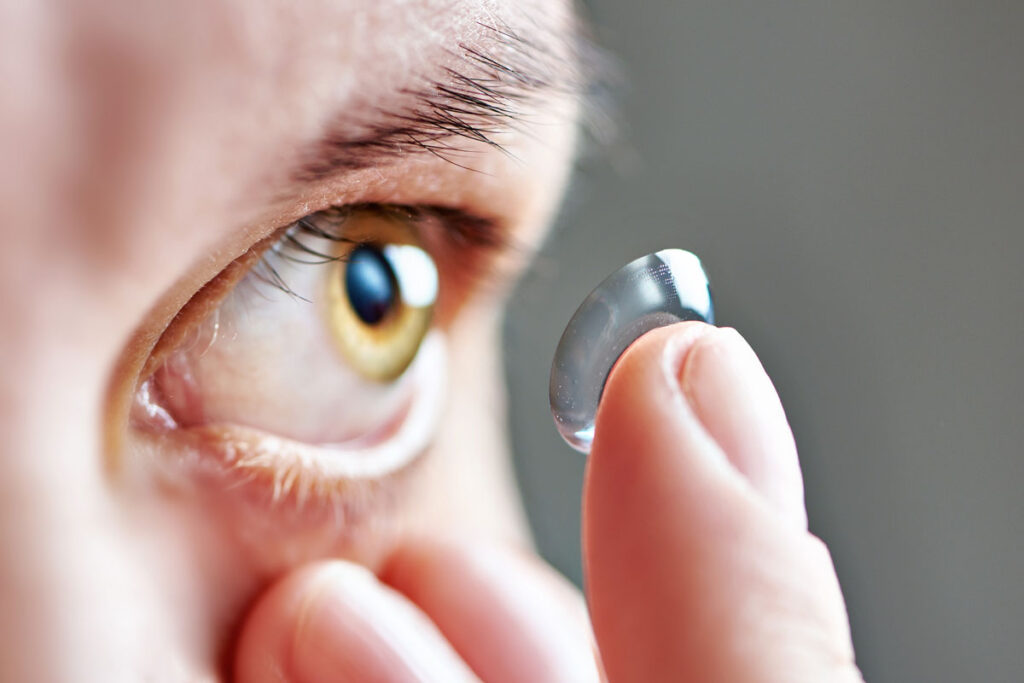
A glasses prescription measures how clearly you see through lenses positioned in front of your eyes. A contact lens prescription, however, involves placing a medical device directly on the surface of the eye.
That distinction matters.
When fitting contact lenses, optometrists evaluate several additional factors, including:
- Lens fit and movement
- Oxygen transmission to the cornea
- Tear film stability
- Corneal health
- Lens comfort over time
- Visual clarity at varying distances
- Eye dryness and irritation
- Prescription accuracy after adaptation
A contact lens may technically improve vision but still not be safe for prolonged wear. Conversely, a lens may feel comfortable initially but later create subtle complications.
That is why contact lens fittings are often completed through a trial process rather than immediately finalized.
The prescription is considered incomplete until the doctor confirms that the lenses are functioning well for your eyes over a period of time.
Why Optometrists Use a 90-Day Window
The 90-day timeline is designed to ensure continuity of care.
During this period, patients are typically expected to wear their trial lenses, evaluate comfort and vision, and return for a follow-up examination. This gives the optometrist an opportunity to assess whether the contacts are truly successful.
Why 90 days?
Because too much can change if follow-up care is delayed.
Within several months, patients may experience:
- Changes in prescription power
- Increased eye dryness
- Poor lens compliance habits
- Inflammation from improper lens wear
- Environmental or seasonal irritation
- Difficulty adapting to multifocal or astigmatism lenses
- Corneal swelling or reduced oxygen exposure
If a patient returns well beyond the initial fitting timeline, the original evaluation may no longer accurately reflect the health of their eyes.
From the doctor’s perspective, finalizing an outdated prescription without reassessing the patient could place the patient at unnecessary risk.
Contact Lenses Are Medical Devices—Not Cosmetic Accessories
One of the most important reasons prescriptions are not finalized indefinitely is because contact lenses are regulated medical devices.
Unlike over-the-counter reading glasses, contact lenses interact directly with delicate eye tissue.
Improperly fitted lenses can increase the risk of:
- Corneal abrasions
- Eye infections
- Dry eye syndrome
- Oxygen deprivation to the eye
- Inflammation and irritation
- Corneal ulcers
- Vision complications
In severe situations, improper lens wear can even contribute to permanent vision damage.
For this reason, optometrists are professionally and ethically responsible for ensuring lenses remain safe and appropriate.
The goal is not simply helping you see clearly today—it is protecting your ability to see clearly years from now.
The Follow-Up Exam Matters More Than You Think
Many patients assume the follow-up visit is optional.
It is not.
The follow-up appointment is often when an optometrist determines whether a contact lens prescription can safely be finalized.
During this visit, your doctor may ask:
- Are the lenses comfortable all day?
- Do your eyes become dry by afternoon?
- Is vision crisp at night?
- Are you experiencing headaches or eye strain?
- Do the lenses move correctly on the eye?
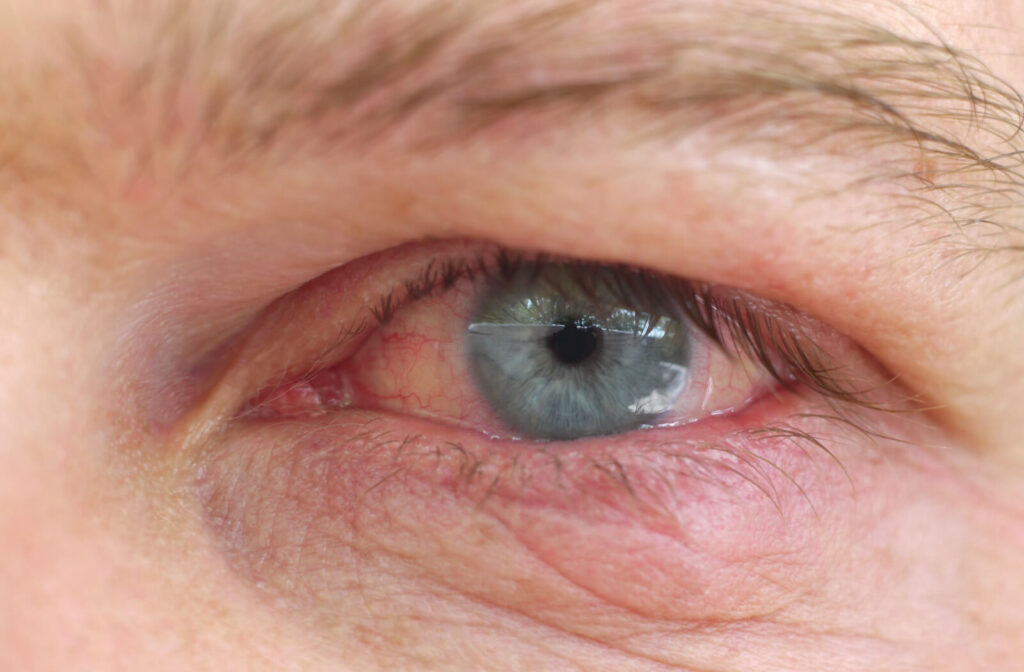
- Is there any redness or inflammation?
Even if everything feels normal to you, doctors often detect subtle issues before symptoms appear.
For example, a lens that fits too tightly may seem comfortable initially while silently reducing oxygen flow to the cornea. Over time, this can create serious complications.
Likewise, a slightly incorrect prescription may not seem noticeable at first but can contribute to fatigue, headaches, or unnecessary visual stress.
The follow-up exam exists to fine-tune your contact lens experience while protecting the long-term health of your eyes.
Why Optometrists Cannot Ethically Finalize Old Prescriptions
Imagine a physician prescribing medication and never checking whether it still works months later.
Most people would find that concerning.
Contact lenses deserve the same level of caution.
If too much time passes after a fitting, optometrists may no longer feel confident that:
- The prescription is still accurate
- The lenses are fitting correctly
- Your eyes remain healthy
- No complications have developed
- Your vision needs have remained stable
In many cases, finalizing a prescription after an extended lapse could expose both the patient and provider to avoidable health risks.
Optometrists are not withholding prescriptions to create inconvenience. Rather, they are acting responsibly to ensure the prescription reflects your current visual and ocular health.
Eye Health Can Change Faster Than You Realize
One reason follow-up timelines matter is because eyes can change quickly.
Even healthy individuals may experience shifts in:
Vision Prescription
Small refractive changes can occur due to age, screen use, fatigue, stress, medications, or natural progression.
Tear Film Quality
Dry eye symptoms can worsen due to allergies, weather changes, hormones, digital eye strain, or environmental conditions.
Corneal Health
The cornea relies heavily on oxygen. Certain contact lenses may not provide sufficient breathability for every patient.
Wearing Habits
Some patients unintentionally overwear contacts, sleep in them when they should not, or neglect replacement schedules.
These habits can dramatically impact whether a lens remains safe and effective.
The Hidden Risks of Ignoring Contact Lens Follow-Ups
Skipping follow-up care may save time temporarily, but it can create bigger problems later.
Without regular evaluations, patients may unknowingly continue wearing lenses that are:
- Too tight
- Too loose
- Causing microscopic irritation
- Leading to dryness
- No longer visually accurate
- Contributing to inflammation
One of the challenges with eye health is that serious issues often develop silently.
By the time symptoms become noticeable, irritation or damage may already exist.
This is precisely why preventative eye care matters.
Healthy vision depends on more than seeing clearly in the moment—it depends on protecting the structures that make vision possible.
Healthy Eyes Require Ongoing Protection
Many people only think about eye care when vision becomes blurry.
But protecting your eyes means being proactive.
Routine eye exams and contact lens evaluations help safeguard against:
- Vision deterioration
- Corneal damage
- Digital eye strain
- Dry eye disease
- Undetected ocular disease
- Prescription inaccuracies
Your eyes work tirelessly every single day.
From driving and working to reading screens and recognizing loved ones, your vision shapes nearly every experience in life.
Treating contact lens care casually can put that gift at risk.
When optometrists establish boundaries such as a 90-day finalization period, those guidelines are often rooted in patient safety—not bureaucracy.
Why Annual Eye Exams Are Essential for Contact Lens Wearers
Even if your contacts feel perfectly fine, annual eye exams remain essential.
Many eye conditions develop gradually and without symptoms.
An eye exam can identify concerns before they affect your vision, including:
- Dry eye disease
- Corneal complications
- Prescription shifts
- Early cataracts
- Retinal abnormalities
- Ocular inflammation
- Signs of systemic health issues
For contact lens wearers specifically, annual evaluations ensure your lenses still match your eye health needs.
Technology in contact lenses also evolves quickly. Your optometrist may identify newer materials that offer:
- Better oxygen flow
- Greater comfort
- Improved moisture retention
- Sharper vision
- Better performance for astigmatism or multifocal correction
What worked five years ago may not be the best solution today.
Don’t Wait Too Long to Complete Your Contact Lens Fitting
If you recently completed a contact lens exam but never finalized your prescription, do not assume it can simply be approved months later.
The best approach is to follow your optometrist’s timeline and complete your follow-up appointment promptly.
Doing so allows your doctor to:
- Confirm visual clarity
- Ensure lenses fit properly
- Evaluate corneal health
- Adjust comfort concerns
- Identify potential complications early
Most importantly, it protects your long term eye health.
Protect Your Vision and Enhance Your Look with Optical Illusions
Your contact lenses should do more than provide clear vision. They should fit comfortably, support your eye health, and complement your lifestyle. Completing your contact lens fitting and attending recommended follow-up appointments are essential steps toward achieving the best possible visual outcomes while protecting your eyes from preventable complications.
Get an eye exam with our Board-Certified Optometrists who specialize in helping patients find the right contact lenses to suit their style, lifestyle, and prescription needs. From first-time contact lens wearers to patients exploring the latest lens technology, our experienced team provides expert fitting and personalized recommendations designed for long-term comfort and healthy vision.
Expert Fitting. High-Quality Lenses. Comprehensive Eye Exams. Our optometrists evaluate your vision, assess the health of your eyes, and prescribe contact lenses that provide exceptional clarity, comfort, and safety. Every comprehensive eye exam includes screenings for ocular risk, advanced diagnostic technology, and customized care plans to help keep your eyes healthy for years to come.
At Optical Illusions: An Optometric Practice, we believe everyone deserves outstanding vision and exceptional eye care. Whether you’re renewing your contact lens prescription or experiencing changes in your vision, we’re here to help you protect one of your most valuable senses.
Schedule your appointment at 1 of our 4 conveniently located offices in San Jose, San Mateo, San Ramon, and Juneau, and experience the difference personalized, comprehensive eye care can make for your lifelong vision and eye health.