

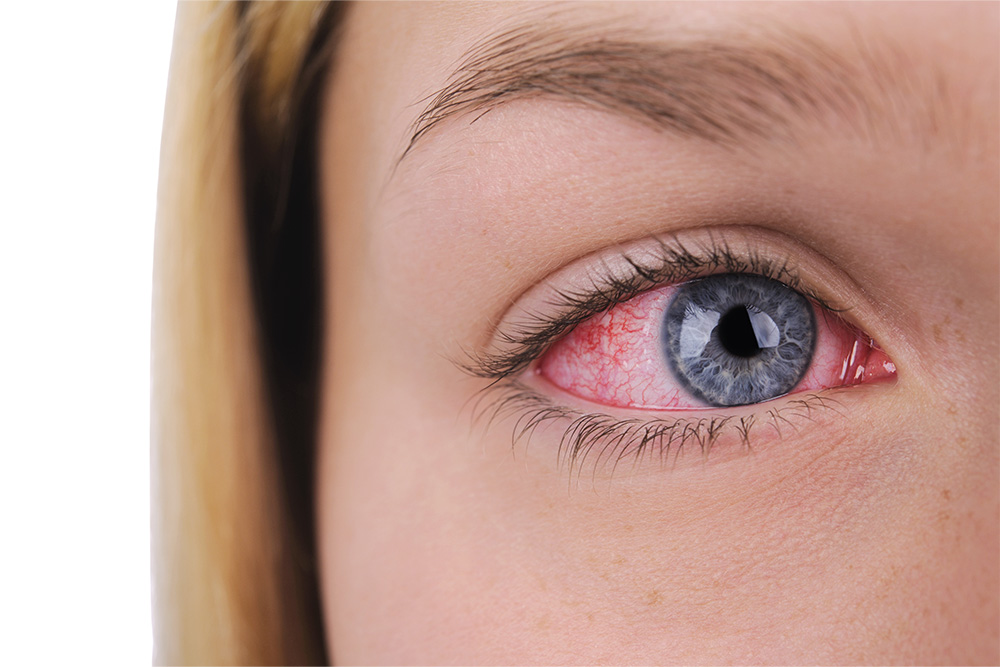
Nicotine is often linked to the lungs and heart. However, it also has a strong effect on your eyes. In fact, many people do not realize how much smoking, vaping, or using nicotine products can impact vision over time. While the damage may start quietly, it can build quickly. Therefore, understanding these risks early can help protect your eyesight for the future.
In this article, we will break down how nicotine affects your eyes, why it happens, and what you can do about it. Along the way, you will see how small daily habits can lead to big changes in vision.
How Nicotine Impacts Blood Flow in the Eyes
First, it is important to understand how the eyes work. Your eyes depend on steady blood flow to deliver oxygen and nutrients. Without it, the delicate tissues inside the eye cannot function well.
Nicotine causes blood vessels to narrow. As a result, less blood reaches the eyes. Over time, this reduced flow can damage important structures like the retina and optic nerve. In addition, poor circulation can slow down healing and increase the risk of long-term problems.
Because of this, even occasional nicotine use can begin to affect eye health. Meanwhile, long-term use increases the risk much more.
Increased Risk of Dry Eye
Another common effect of nicotine is dry eye. Many users notice burning, redness, or a gritty feeling in their eyes. This happens because nicotine reduces tear production and affects tear quality.
At the same time, smoking and vaping expose the eyes to irritants. These irritants can make dryness worse. As a result, the eyes become more sensitive and uncomfortable.
Over time, untreated dry eye can lead to blurry vision and even damage to the eye surface. Therefore, what starts as mild irritation can turn into a more serious issue if ignored.
Higher Chance of Cataracts
Cataracts are a leading cause of vision loss. They occur when the clear lens inside the eye becomes cloudy. While aging is a major factor, nicotine use speeds up this process.
Nicotine increases oxidative stress in the body. In simple terms, this means more harmful molecules damage the cells in your eyes. Because of this, the lens can become cloudy earlier than expected.
Studies have shown that smokers are more likely to develop cataracts. In addition, they often develop them at a younger age. Therefore, nicotine does not just increase risk—it also accelerates it.
Macular Degeneration and Vision Loss
One of the most serious risks linked to nicotine is macular degeneration. This condition affects the center of your vision, which you use for reading, driving, and recognizing faces.
Nicotine damages the macula by reducing blood flow and increasing inflammation. As a result, the cells in this area begin to break down. Over time, this can lead to permanent vision loss.
Furthermore, people who use nicotine are much more likely to develop this condition compared to non-users. Because macular degeneration often has no early symptoms, many people do not notice it until damage has already occurred.
Optic Nerve Damage
The optic nerve sends visual signals from your eye to your brain. Without it, vision is not possible. Unfortunately, nicotine can harm this vital connection.
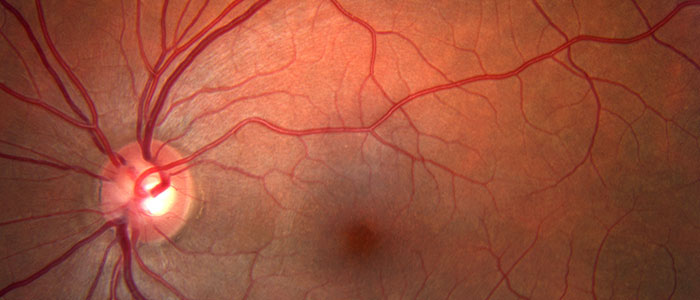
Reduced blood flow and toxin exposure can weaken the optic nerve over time. In some cases, this can lead to a condition called optic neuropathy. This causes blurred vision, reduced color perception, and even blind spots.
Although this damage may develop slowly, it can become permanent. Therefore, protecting the optic nerve is essential for long-term eye health.
Impact on Night Vision
Nicotine can also affect how well you see in low light. Many users report difficulty seeing at night or adjusting to darkness. This happens because nicotine interferes with how the retina processes light.
In addition, reduced oxygen levels in the blood can make it harder for the eye to adapt. As a result, driving at night or moving through dim spaces becomes more difficult.
While this may seem like a small issue at first, it can increase the risk of accidents and injuries.
Delayed Healing and Eye Infections
Your eyes have a natural ability to heal. However, nicotine slows this process. Because blood flow is reduced, the body cannot repair damage as quickly.
This is especially important after eye surgery or injury. For example, patients who use nicotine may take longer to recover from procedures like LASIK or cataract surgery.
In addition, nicotine weakens the immune system. As a result, the eyes are more vulnerable to infections. Therefore, even minor issues can become more serious if healing is delayed.
Nicotine Effects of Vaping vs Smoking
Many people believe vaping is safer than smoking. While it may reduce exposure to some harmful chemicals, nicotine is still present in most vape products.
Because of this, many of the same eye risks still apply. In fact, some vaping liquids contain additional chemicals that can irritate the eyes even more.
Therefore, switching from smoking to vaping does not fully protect your eye health. Instead, it may simply change the type of exposure.
Early Signs to Watch For
Although some damage happens silently, there are warning signs to watch for. Paying attention to these can help you act early.
Common symptoms include:
- Dryness or irritation
- Blurry vision
- Increased sensitivity to light
- Trouble seeing at night
- Frequent redness
If you notice any of these, it is important to take them seriously. Early action can make a big difference.
Protecting Your Eyes From Nicotine Damage
The most effective step is reducing or stopping nicotine use. While this may sound simple, it can have a powerful impact on your overall health, including your eyes.
At the same time, regular eye exams are essential. Eye doctors can detect early changes before symptoms appear. Because of this, routine check-ups can help prevent serious problems.
In addition, you can support your eye health with small daily habits. For example, staying hydrated, using artificial tears, and eating foods rich in antioxidants can help protect your eyes.
Finally, wearing proper eye protection and limiting screen time can reduce additional strain. When combined, these steps create a strong defense for your vision.
Why This Matters More Than You Think
Vision is easy to take for granted. However, once it is damaged, it can be difficult—or even impossible—to restore. Because nicotine affects so many parts of the eye, the risk is wider than many people expect.
The good news is that change is possible. Even reducing nicotine use can improve blood flow and lower risk over time. Therefore, it is never too late to take action.
By understanding the connection between nicotine and eye health, you can make better choices for your future. In the end, protecting your vision is one of the most valuable investments you can make.
Schedule your appointment at 1 of our 4 conveniently located offices in San Jose, San Mateo, San Ramon, and Juneau.