

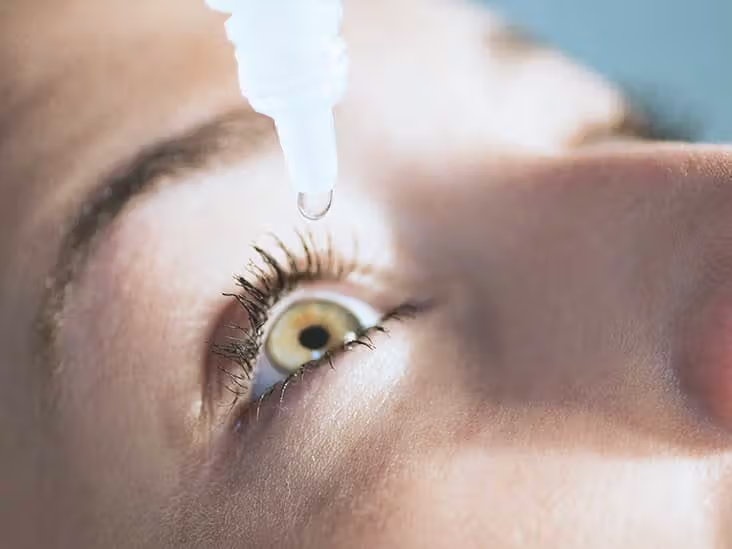
In 2026, manufacturers recalled millions of over-the-counter dry eye drop products. They did this voluntarily. The FDA raised safety concerns in an official enforcement report. Soon after, the California State Board of Optometry warned eye care providers and patients.
Because of this, major retailers acted quickly. Walgreens, CVS, Kroger, and other pharmacies removed many products from shelves. Most of these products were store-brand or generic eye drops.
This situation matters because drops go directly into the eye. Safety is critical. You should know what happened and what to do next.
What Triggered the Eye Drop Product Recall?
First, the FDA found possible safety and sterility problems in several dry eye drop products. As a result, manufacturers removed products while they investigated the issue.
In many cases, the recalled products were not premium brands. Instead, they were store-brand or generic drops. These included:
- Ultra Lubricating Eye Drops
- Dry Eye Relief Drops
- Sterile Eye Drops
- Artificial Tears Lubricant Drops.
These products were widely sold. In fact, many patients used them before the recall notice reached stores and clinics.
Where These Eye Drop Products Were Sold
In addition, these eye drops were sold in many common places such as:
- Walgreens pharmacy stores
- CVS Health pharmacies, Kroger pharmacies
- Grocery store pharmacies
- Big-box stores with pharmacy sections.
Because many products used store labels, the situation became confusing. Patients often did not realize that different brands could come from the same manufacturer.
Why the Eye Drop Products Were Recalled
The main problem involved contamination risk.
Eye drop must stay completely sterile. Otherwise, even a small amount of bacteria can cause a serious eye infection. In this case, some manufacturing sites may not have kept proper sterile conditions.
Also, many of these products came from third-party manufacturers. These companies often produce drops for several store brands at the same time. Because of this, one manufacturing issue can affect many products quickly.
In some cases, packaging added more risk. Some bottles did not fully seal or maintain strong protection. As a result, contamination could happen after opening, especially with multi-use bottles.
Why This Is Dangerous
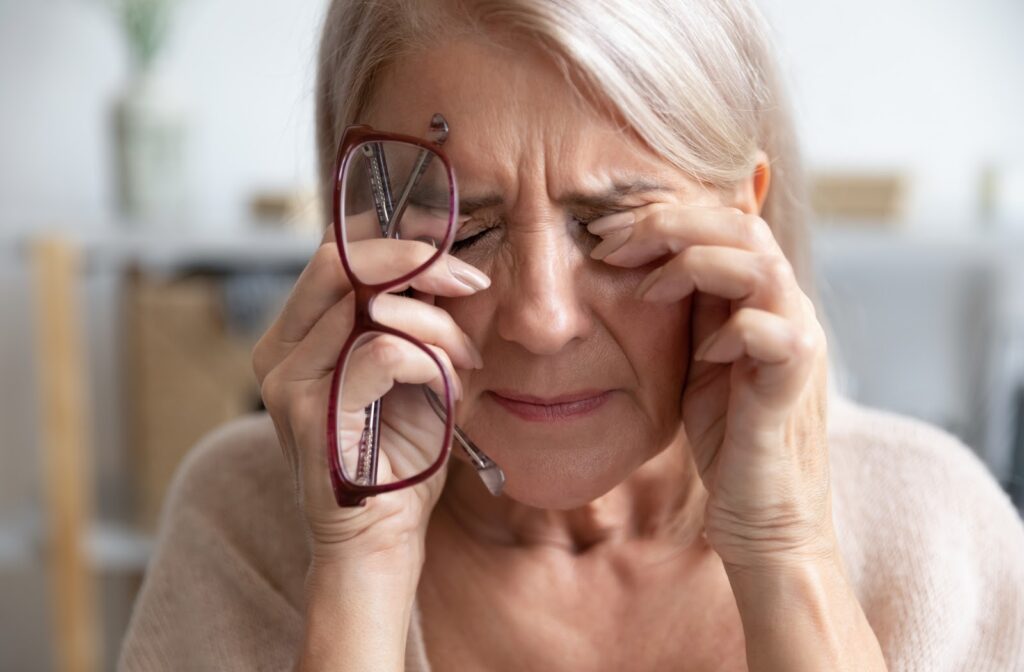
This recall matters because the eye is very sensitive. So, contaminated eye drops can cause harm fast.
Watch for symptoms like redness, burning, stinging, blurry vision, eye pain, discharge, or strong light sensitivity.
If infection spreads, it can become serious. In some cases, it can lead to corneal ulcers. These are open wounds on the eye. If not treated fast, they can scar the cornea. This can permanently affect vision.
Why Generic Eye Drops Were Affected
Importantly, generic drops are not unsafe by nature. Many people use them safely every day.
However, they often come from shared manufacturing facilities. So, one problem at a factory can affect many store brands at once.
Even when packaging looks different, the product inside may come from the same source. That is why the recall spread so widely.
What You Should Do Right Now
If you use dry eye drops, take action now.
Firstly, check your bottle. Look at the product name and lot number. If you are unsure, do not ignore it. Ask a pharmacist or eye care provider for help.
Secondly, stop using any product that may be part of the recall. Do not wait for symptoms. Even if your eyes feel fine, stop using it immediately.
If your product is recalled, throw it away safely. Do not share it with others. Also, wash your hands after handling it.
Most importantly, watch your eyes closely. If you notice redness, pain, or vision changes, contact an eye doctor right away. Do not delay care.
How to Protect Your Eyes Going Forward
You can lower your risk with simple habits.
Buy eye drops from trusted pharmacies, not generic brands. Additionally, always check expiration dates before use. Keep bottles tightly closed after every use.
Also, avoid touching the dropper tip. Do not let the bottle touch your eye. These steps help prevent contamination.
In some cases, single-use preservative-free vials may be safer. They reduce the chance of bacteria building up over time.
Protect Your Eyes
This 2026 recall shows how important eye drop safety really is. Problems in manufacturing can spread quickly across many brands.
However, you can protect yourself with fast action and careful habits. Stay alert. Check your products. Furthermore, use eye drops the right way.
If something feels off, do not wait. Get your eyes checked right away.
Schedule your appointment at 1 of our 4 conveniently located offices in San Jose, San Mateo, San Ramon, and Juneau.