

Medically reviewed by Dr. William To, OD.
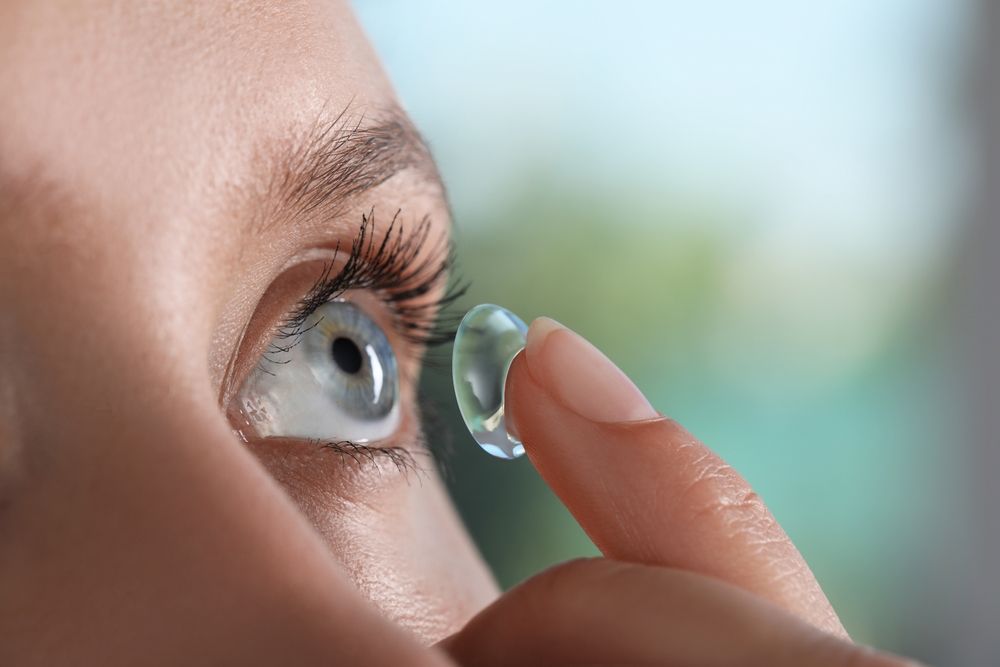
Contact lenses offer a safe and convenient way to correct vision. However, they require daily care to keep your eyes healthy. Every year, many people develop eye infections that proper contact lens care could have prevented. Even small mistakes can increase your risk. Sleeping in contact lenses or handling them with unwashed hands are two common examples.
Fortunately, most contact lens-related infections are preventable. A few simple habits each day can help protect your eyes. They can also keep your lenses comfortable and reduce the risk of serious complications.
Why Contact Lens Hygiene Matters
Contact lenses rest directly on the surface of the eye. Throughout the day, they collect dust, oil, bacteria, and other tiny particles. Without proper cleaning, these germs can build up on your lenses. They can then spread to your eyes.
A contaminated lens can carry bacteria, fungi, or other microorganisms into the eye. A dirty contact lens case can do the same. Some infections cause only mild irritation. However, others can become serious and threaten your vision if treatment is delayed.
Good contact lens hygiene is one of the best ways to protect your eyes. It also lowers your risk of infection.
Always Wash Your Hands First
Clean hands are your first line of defense against eye infections. Before handling your contact lenses, always wash your hands with soap and water. Then dry them with a clean, lint-free towel. Dirty hands can transfer bacteria, viruses, dirt, and oils directly to your lenses. Avoid using hand sanitizer as a substitute for washing your hands. Some sanitizers leave behind residue that can irritate your eyes.
Clean Contact Lenses the Right Way
Every type of contact lens has its own care instructions. Therefore, follow the recommendations from both your eye doctor and the lens manufacturer.
If you wear reusable contact lenses:
- Rub and rinse each lens with fresh contact lens solution, even if the solution is labeled “no-rub.”
- Never clean contact lenses with water.
- Never use saliva to wet or clean your lenses.
- Use only the disinfecting solution recommended for your lenses.
In addition, always use fresh contact lens solution when storing your lenses. Throw away the old solution after each use. Never add fresh solution to old solution in the case.
Never Use Tap Water
Water and contact lenses should never mix. Tap water may look clean. However, it can contain microorganisms that cause serious eye infections. One of the most concerning is Acanthamoeba, a microscopic organism that can damage the cornea. This infection is rare. However, it can cause severe pain. It may also lead to permanent vision loss and require months of treatment.
Because of this, keep your contact lenses away from:
- Tap water
- Bottled water
- Distilled water
- Swimming pool water
- Lake or river water
- Ocean water
- Hot tubs
Instead, use only sterile contact lens solution.
Replace Contact Lenses on Schedule
Every contact lens has a recommended replacement schedule. Some are designed for one day of wear. Others last two weeks or one month. Protein deposits, bacteria, and other debris build up over time. As a result, wearing lenses longer than recommended increases your risk of irritation and infection. Even if your lenses still feel comfortable, replace them on schedule. This simple habit helps keep your eyes healthy.
Don’t Sleep in Contact Lenses Unless Your Eye Doctor Says It’s Safe
Sleeping in contact lenses is one of the most common causes of contact lens-related eye infections. Your eyes receive less oxygen while you sleep. Contact lenses reduce oxygen even more. As a result, bacteria can grow more easily.
Even a short nap can increase the risk if your lenses are not approved for overnight wear. If your eye doctor prescribes extended-wear lenses, follow those instructions carefully. In addition, keep all recommended follow-up appointments.
Keep Your Contact Lens Case Clean
Your contact lens case needs just as much attention as your lenses. A dirty case can quickly contaminate clean lenses. To help prevent this:
- Empty the old solution after every use.
- Rinse the case with fresh contact lens solution, not water.
- Leave the case open to air dry.
- Replace the case every three months or sooner if it becomes damaged or dirty.
By following these steps, you can reduce the number of germs that come into contact with your lenses.
Avoid Wearing Contact Lenses While Swimming
Swimming with contact lenses increases your risk of an eye infection. Water from pools, lakes, rivers, oceans, and hot tubs can contain harmful microorganisms. These germs can become trapped between the contact lens and your eye. As a result, they can increase the risk of irritation or infection.
Whenever possible, remove your contact lenses before swimming. If wearing lenses is necessary, wear waterproof swim goggles for extra protection. Daily disposable lenses are often the safest choice because they can be thrown away immediately afterward.
Don’t Ignore Eye Irritation
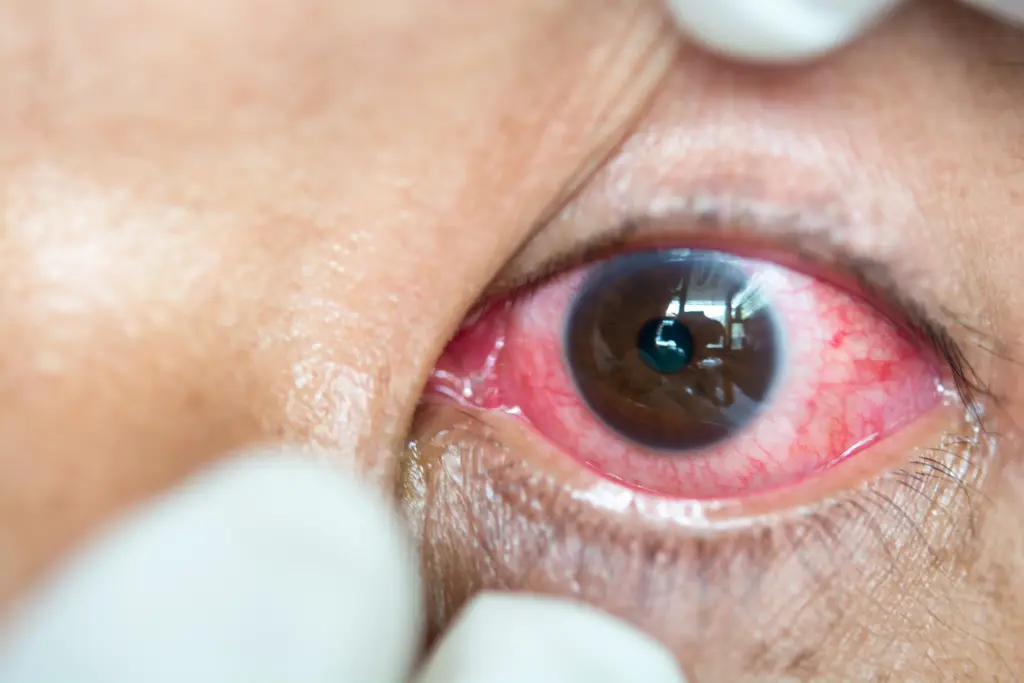
Redness or discomfort should never be ignored. Sometimes these symptoms result from dry eyes or a dirty lens. However, they can also be early signs of an eye infection.
Remove your contact lenses immediately if you notice:
- Eye redness
- Eye pain
- Blurry vision
- Sensitivity to light
- Excessive tearing
- Thick eye discharge
- A feeling that something is stuck in your eye
Most importantly, do not wear your contact lenses again until an eye care professional has examined your eyes.
Keep Up with Routine Comprehensive Eye Exams
Routine comprehensive eye exams do much more than update your prescription. During a comprehensive eye exam, your eye doctor checks your overall eye health. The fit of your contact lenses is also evaluated. The exam also looks for early signs of irritation, infection, or other problems.
Many contact lens problems begin before symptoms appear. Regular eye exams can detect these issues early. Early treatment is often simpler and more effective.
In addition, comprehensive eye exams can identify eye diseases that often develop without noticeable symptoms. These include glaucoma, cataracts, diabetic eye disease, and macular degeneration. Finding these conditions early gives you the best chance to protect your vision.
Routine eye exams also provide an opportunity to discuss changes in comfort, vision, or your daily routine. Sometimes a different type of contact lens or an updated wearing schedule can improve comfort and lower the risk of future complications.
Healthy Habits Protect Your Vision
Most people wear contact lenses for many years without developing an eye infection. The key is following healthy habits every day. Wash your hands before handling your lenses. Clean and store them properly. Replace them on schedule. Keep water away from your lenses. Finally, schedule routine comprehensive eye exams as recommended by your eye doctor.
If your eyes become red, painful, or blurry, remove your contact lenses right away. Then schedule an eye exam as soon as possible. Early treatment can help prevent more serious complications and protect your vision.
Protect Your Eyes for Years to Come
Contact lenses can provide clear, comfortable vision. However, they should always be treated as medical devices rather than everyday accessories. Good hygiene, proper lens care, and routine comprehensive eye exams all work together to protect your eyesight.
A few extra minutes of care each day can make a lasting difference. By following healthy contact lens habits and keeping up with regular eye exams, you can lower your risk of infection and enjoy clear, comfortable vision for years to come.Schedule your appointment at 1 of our 4 conveniently located offices in San Jose, San Mateo, San Ramon, and Juneau.