


Do you put your sunglasses away when the weather gets cold? If so, you may want to keep them close.
Even in winter, the sun can affect your eyes. Harmful UV rays reach your eyes all year. Plus, snow, wet roads, and low sunlight can make glare worse.
You may not notice these risks on a cloudy day. However, your eyes can still face UV exposure. Here are five hidden UV risks to know and how sunglasses can help protect your eyes.
1. UV Rays Can Reach Your Eyes on Cloudy Days
Clouds may make the sky look dark, but they do not block all UV rays. As a result, your eyes can still receive UV exposure when the sun is hidden.
You may not feel the heat or see bright sunlight. Still, UV rays can reach your eyes.
That is why it helps to wear sunglasses whenever you spend time outside during the day. Choose a pair that blocks 100% of UVA and UVB rays. Look for labels that say “100% UV protection” or “UV400.”
2. Snow Can Reflect Harmful UV Rays
Snow does more than make winter days look bright. It can also reflect UV rays back toward your eyes.
This means your eyes may receive UV rays from above and below. As a result, snow can increase your total UV exposure.
Too much UV light can cause photokeratitis. This is a painful, sunburn-like injury to the front of your eye. It can cause redness, pain, tearing, and light sensitivity.
If you enjoy skiing, snowboarding, or playing outside in the snow, protect your eyes. Wear UV-blocking sunglasses or goggles that fit well. Also, choose a design that helps limit sunlight from reaching your eyes around the edges.
3. Sunglasses Reduce Glare From the Low Winter Sun
During winter, the sun sits lower in the sky. Because of this, sunlight may shine straight into your eyes while you walk or drive.
This bright light can make it harder to see. It may also cause squinting, eye strain, and discomfort.
In addition, sunlight can reflect off wet roads and car surfaces. These reflections can make glare even worse.
Polarized sunglasses can help reduce glare from many reflective surfaces. However, polarization does not guarantee UV protection. So, always check that your lenses also block 100% of UVA and UVB rays.
4. Long-Term UV Exposure Can Raise the Risk of Eye Problems
UV exposure does not always cause an immediate problem. Instead, damage can build up over time.
Long-term UV exposure may raise your risk of cataracts. Cataracts cause the lens inside your eye to become cloudy. As a result, your vision may become blurry or less clear.
UV exposure can also harm the skin around your eyes. This skin is thin and often gets missed when people apply sunscreen.
To help protect your eyes, wear UV-blocking sunglasses throughout the year. A larger frame can also help shield the skin around your eyes. However, sunglasses do not replace sunscreen on exposed skin.
5. Dark Sunglasses Do Not Always Offer Better UV Protection
A dark pair of sunglasses may look protective. However, lens color alone does not tell you how well the lenses block UV rays.
In fact, dark lenses without proper UV protection may be a poor choice. Your pupils can widen behind dark lenses, allowing more light to enter your eyes. If the lenses do not block UV rays, your eyes may still receive harmful exposure.
The good news is that you do not need the darkest lenses to protect your eyes. Instead, check the UV label before you buy.
Look for “100% UVA and UVB protection” or “UV400.” You can also ask your eye care team to help you choose the right pair.
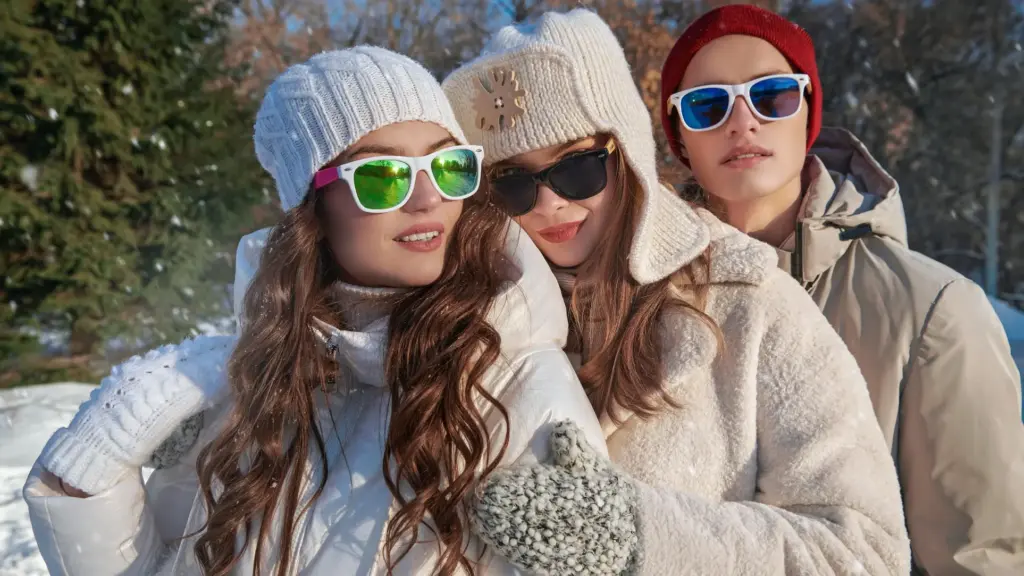
How to Choose Sunglasses for Winter
The right sunglasses can help protect your eyes and make bright days more comfortable. Before you buy a pair, keep these tips in mind.
- Check UV protection. Choose lenses that block 100% of UVA and UVB rays.
- Try polarized lenses. They can reduce glare from wet roads, snow, and water. Still, confirm that they offer UV protection.
- Choose a good fit. Frames that sit close to your face can help limit sunlight from the sides.
- Pick a useful lens tint. Darker lenses are not always safer. UV protection matters more than lens color.
- Think about your daily needs. You may need different sunglasses for driving, outdoor sports, or everyday wear.
Remember, sunglasses are useful even when the sky is cloudy. Make them part of your daily routine instead of saving them for summer.
Protect Your Eyes in Every Season
Winter brings more than cold weather. It can also bring hidden UV exposure, strong glare, and reflected sunlight.
The five risks may be easy to miss, but protecting your eyes is simple. Wear sunglasses with 100% UVA and UVB protection when you go outside during the day. If you spend time in snow, choose eyewear that offers extra coverage.
Most importantly, do not wait for a bright summer day to protect your eyes.
Need help choosing the right sunglasses? Visit Optical Illusions for expert guidance on eyewear that fits your vision needs and lifestyle.
Schedule your appointment at 1 of our 4 conveniently located offices in San Jose, San Mateo, San Ramon, and Juneau.