

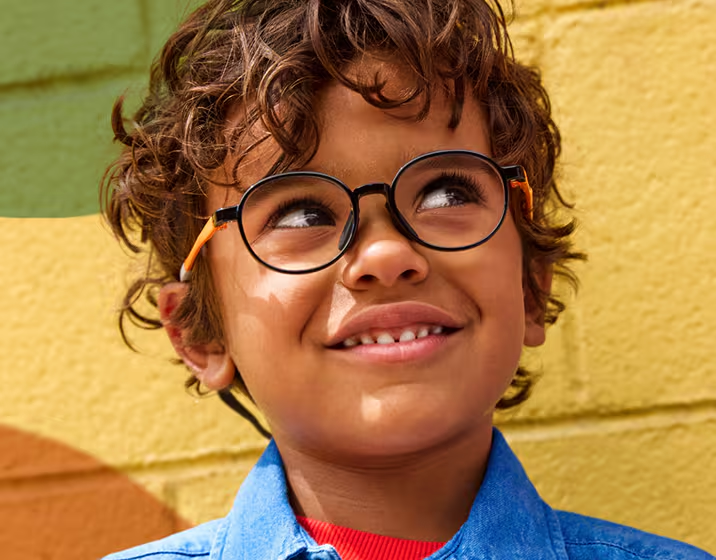
Does your child need a stronger glasses prescription every year? If so, their nearsightedness may be getting worse. This condition is called myopia. It makes faraway objects look blurry. For example, your child may struggle to see the board at school. They may also have trouble reading signs from far away.
Childhood myopia often starts during the school years. As a child grows, their eyes can grow longer than normal. As a result, their vision may become more nearsighted over time.
However, blurry vision is only part of the problem. High myopia can raise the risk of serious eye problems later in life. These include retinal detachment, glaucoma, and other eye diseases.
The good news is that there are ways to help slow myopia progression. With early care, your eye doctor can build a plan to protect your child’s long-term eye health.
Why Does Myopia Get Worse in Children?
Myopia can change as your child grows. In many cases, the eye continues to grow longer than it should. This causes distant objects to look even blurrier.
Several factors can raise the risk of childhood myopia:
- Family history: Children with nearsighted parents have a higher risk of developing myopia.
- Long periods of close work: Reading, homework, and screen use can add to the time children spend focusing up close.
- Limited outdoor time: Spending less time outdoors is linked to a higher risk of developing myopia.
- Early onset: Children who develop myopia at a young age have more time for it to progress.
Still, every child is different. Some children’s prescriptions change slowly. Others need stronger glasses more often.
That is why regular eye exams matter. They help your eye doctor track changes and decide when myopia management may help.
Signs of Childhood Myopia Parents Often Miss
Children do not always know that their vision is blurry. They may think everyone sees the same way they do. Because of this, parents can miss early signs.
Watch for these common changes:
- Squinting to see the TV or board at school
- Sitting very close to screens
- Holding books close to the face
- Complaining about headaches or tired eyes
- Struggling to see things across the room
- Moving closer to objects to see them clearly
- Having trouble with schoolwork that involves seeing things at a distance
You may also notice that your child asks for new glasses more often. Their old prescription may no longer give them clear vision.
However, these signs do not always mean your child has myopia. Other vision problems can cause similar symptoms. A comprehensive eye exam can help find the cause.
How Can You Slow Myopia Progression?
Regular glasses can help your child see clearly. However, standard single-vision glasses do not usually slow myopia progression.
Instead, myopia control for kids aims to slow changes in the eye. This can help reduce how much myopia develops over time.
There is no single treatment that works best for every child. Your eye doctor will consider your child’s age, prescription, eye health, and lifestyle before recommending a plan.
Here are some options to discuss.
1. Myopia-Control Contact Lenses
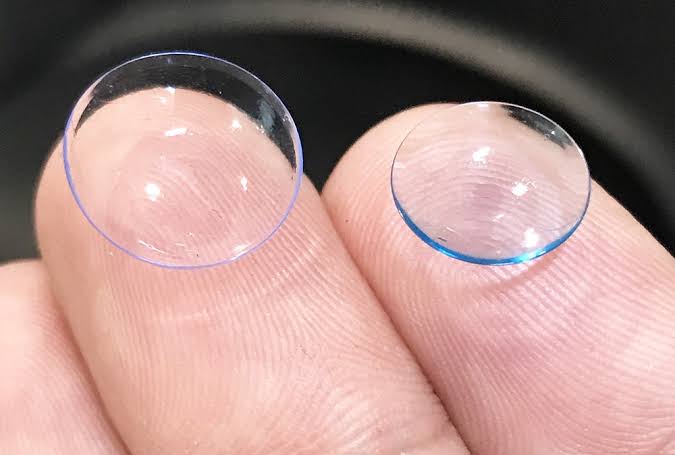
Some contact lenses are made to help slow childhood myopia. These lenses correct blurry vision while also changing how light focuses on the retina.
For example, certain daily disposable soft contact lenses have FDA approval to slow myopia progression in children who meet the approved age and prescription criteria.
Daily lenses can also fit well into busy routines. Your child puts in a fresh pair each day and throws them away at night.
However, contact lenses require proper care and handling. Your child must follow the wear schedule and keep their hands and lenses clean.
Another option is orthokeratology, also called ortho-k. These custom lenses are worn overnight to gently reshape the front of the eye. Your child then sees clearly during the day without glasses or contact lenses.
Ortho-k may also help slow myopia progression. However, it requires careful fitting, regular follow-up visits, and strict lens hygiene.
2. Low-Dose Atropine Eye Drops
Atropine is another option for myopia management. These prescription eye drops may help slow the progression of childhood myopia.
The drops are often used at night. However, the strength and schedule depend on your child’s needs.
Research supports the use of low-dose atropine in many children. Still, the results can vary. Some children may also notice light sensitivity or trouble focusing up close.
In the United States, low-dose atropine for myopia control is generally used off-label. Your eye doctor can explain the possible benefits, risks, and follow-up plan.
3. Stellest Lenses
Your child may also be a candidate for Stellest lenses. These eyeglass lenses are designed to correct vision and help slow myopia progression.
They use special lens designs to manage how light focuses in the eye. This may help reduce the rate at which the eye grows longer.
Stellest lenses can be a useful option for children who prefer glasses over contact lenses. They may also suit children who are not ready to handle contacts.
However, the right choice depends on your child’s prescription, age, and eye health. Your eye doctor can explain whether Stellest lenses are suitable.
4. More Time Outdoors
Daily habits can also support healthy vision. Research links outdoor time with a lower risk of developing myopia.
Encourage your child to spend time outside each day. Playing at the park, walking, or riding a bike are simple ways to start.
Outdoor time may help lower the risk of developing myopia. However, it should not replace treatment for a child who already has progressive myopia.
Also, encourage regular breaks during reading and screen use. Have your child look away from close work and focus on something in the distance.
These habits support eye health. When needed, they can also work alongside a myopia control plan.
When Should Your Child Have an Eye Exam?
Children need regular eye exams even when they do not complain about their vision. This is especially important if myopia runs in your family.
If your child’s prescription changes often, ask about myopia management. Your eye doctor can check their prescription and look for signs of progression.
Depending on your child’s needs, the doctor may recommend follow-up visits every six months or at another interval. These visits help track changes and check how well treatment is working.
Do not wait until your child struggles to see the board at school. Early care can make a difference.
Help Protect Your Child’s Vision for the Future
Childhood myopia is more than a need for stronger glasses. As myopia increases, so can the risk of certain eye diseases later in life.
Fortunately, myopia control for kids offers several ways to help slow progression. Options may include myopia-control contact lenses, low-dose atropine, and Stellest lenses.
The best plan depends on your child. Regular eye exams help your doctor track changes and choose the right approach.
If your child’s nearsightedness seems to get worse every year, schedule a comprehensive eye exam. Ask your eye doctor about management and the steps you can take to support your child’s long-term vision.
Schedule your appointment at one of our four conveniently located offices in San Jose, San Mateo, San Ramon, and Juneau.
Schedule your appointment at 1 of our 4 conveniently located offices in San Jose, San Mateo, San Ramon, and Juneau.