

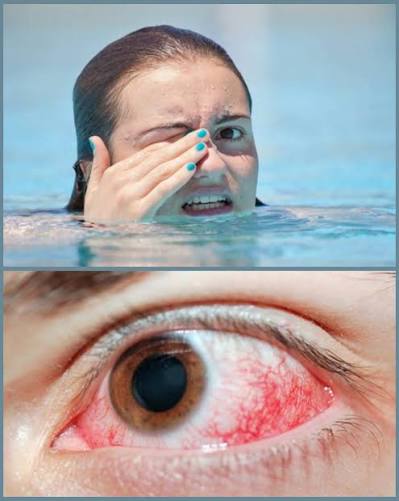
Few things are more refreshing than spending time in the water. Whether swimming laps for exercise, cooling off in the neighborhood pool, or enjoying a day at the beach, swimming is one of the healthiest activities for both the body and the mind. However, many people climb out of the water with swimmer’s eye; eyes that are red, irritated, or burning and assume it’s simply part of the experience.
While eye irritation after swimming is common, it shouldn’t be considered normal. Your eyes are incredibly delicate, and repeated exposure to irritating chemicals, bacteria, or environmental debris can affect both comfort and long-term eye health. Fortunately, swimmer’s eye is often preventable with a few simple habits, and regular comprehensive eye exams can help ensure that minor irritation doesn’t become a more significant problem.
What Is Swimmer’s Eye?
Swimmer’s eye is a general term used to describe irritation that develops after spending time in the water. Although chlorine often gets the blame, it usually isn’t the chlorine alone that’s responsible.
In properly maintained swimming pools, chlorine is essential because it kills bacteria and helps keep the water safe. The burning sensation many swimmers experience is more commonly caused by chloramines, compounds that form when chlorine reacts with sweat, body oils, sunscreen, urine, and other organic materials in the water.
Natural bodies of water can also irritate the eyes. Saltwater, sand, algae, bacteria, and microscopic organisms found in lakes, rivers, and oceans may all contribute to eye discomfort after swimming.
Common symptoms of swimmer’s eye include:
- Red or bloodshot eyes
- Burning or stinging
- Watery eyes
- Dryness
- Blurred vision
- A gritty sensation, as though something is in the eye
These symptoms often improve within a few hours, but persistent irritation should never be ignored.

Your Eyes Need Protection, Too
Most people remember sunscreen to protect their skin and water to stay hydrated, but eye protection is often overlooked. The surface of every healthy eye is covered by a thin layer of tears called the tear film. This protective layer keeps the eyes moist, washes away debris, and creates a smooth optical surface for clear vision.
Swimming can temporarily wash away or disrupt this tear film. Without its natural protection, the eyes become more vulnerable to dryness, irritation, and inflammation. That is why your eyes may feel gritty or uncomfortable long after you’ve left the pool. For people who swim frequently, repeated irritation can contribute to chronic dry eye symptoms or ongoing inflammation. Taking preventive steps before and after swimming helps preserve this important protective barrier.
Think Twice Before Swimming With Contact Lenses
One of the most important ways to protect your eyes is to avoid wearing contact lenses while swimming. Contact lenses can trap bacteria, parasites, and other microorganisms against the surface of the eye. Even water that appears clean may contain organisms capable of causing serious eye infections. Some infections can affect the cornea, the clear front surface of the eye, and may threaten vision if treatment is delayed.
If clear vision is needed while swimming, prescription swim goggles are generally the safest option. If swimming with contact lenses cannot be avoided, discuss safer alternatives with your eye care provider before entering the water.
Simple Habits Can Make a Big Difference
Protecting your eyes doesn’t have to be complicated. Small changes can dramatically reduce irritation and help keep your eyes healthy. Start by wearing well-fitting swim goggles every time you swim. Goggles create a protective barrier between your eyes and pool chemicals, saltwater, bacteria, and other irritants. A comfortable pair that seals properly is one of the best investments you can make for your eye health.
After swimming, rinse your face and eyelids with clean, fresh water. This simple step helps remove chlorine, salt, and debris that may continue irritating your eyes after leaving the water. If your eyes still feel dry or irritated, preservative-free lubricating eye drops can help restore moisture and improve comfort. These artificial tears replenish the natural tear film that swimming can temporarily disrupt.
Try to avoid using redness-relieving eye drops on a regular basis. While they may temporarily reduce redness, frequent use can actually make redness worse over time by causing rebound irritation. Persistent redness is a signal that deserves attention rather than simply being masked.
Don’t Skip Your Comprehensive Eye Exams
Many eye conditions develop slowly and without noticeable symptoms. It’s possible to have healthy-looking vision while early signs of eye disease are already present. That’s why comprehensive eye exams are about much more than updating a glasses prescription.
Routine eye examinations allow your eye doctor to evaluate the health of your entire eye and detect conditions such as glaucoma, cataracts, diabetic eye disease, retinal disorders, and macular degeneration before significant vision loss occurs.
For swimmers, eye exams also provide an opportunity to identify recurring irritation, evaluate dry eye symptoms, assess contact lens health, and recommend personalized strategies for preventing swimmer’s eye.
Children who participate in swim lessons or competitive swimming also benefit from regular eye exams. Healthy vision supports both athletic performance and success in the classroom.
Know When It’s Time to Be Evaluated
Most cases of swimmer’s eye improve on their own within several hours.
However, certain symptoms should never be ignored.
Schedule an eye examination promptly if you experience:
- Severe eye pain
- Persistent redness lasting more than one or two days
- Blurred vision that does not improve
- Thick eye discharge
- Swelling around the eye
Prompt evaluation allows treatment to begin early and can prevent more serious complications.
Healthy Eyes Start With Healthy Habits
Eye health extends far beyond the swimming pool. The choices made every day can have a lasting impact on vision.
Eating a balanced diet rich in leafy green vegetables, colorful fruits, omega-3 fatty acids, and antioxidant-rich foods helps nourish the eyes from within. Staying well hydrated supports healthy tear production. Wearing sunglasses that block 100% of UVA and UVB rays protects the eyes from ultraviolet damage during outdoor activities.
If daily life includes long hours on a computer or digital device, taking regular breaks helps reduce eye strain and dryness. Managing chronic health conditions such as diabetes and high blood pressure is equally important, as these diseases can affect the eyes long before vision changes become noticeable. Small, consistent habits often provide the greatest long-term benefits.
Protect Your Vision for Every Season
Swimming should leave you feeling refreshed, not dealing with burning, irritated eyes afterward. Fortunately, swimmer’s eye is often preventable with a combination of protective goggles, proper contact lens habits, rinsing after swimming, and maintaining a healthy tear film.
Just as importantly, make comprehensive eye exams a regular part of your healthcare routine. Many eye conditions are easiest to treat when they’re detected early, often before symptoms appear. Regular examinations help preserve clear vision, identify problems before they progress, and provide personalized guidance based on your individual eye health.
Your eyes work hard every day, whether you’re reading, driving, working, or enjoying time in the water. Giving them the attention they deserve today can help protect your vision for years to come, so every swim; and every day afterward, can be seen with clarity and comfort. Schedule your appointment at 1 of our 4 conveniently located offices in San Jose, San Mateo, San Ramon, and Juneau.