


Our eyes are remarkable organs that allow us to experience the world in vivid detail. However, just like the rest of the body, our eyes naturally change as we age. While some changes are a normal part of the aging process, others may signal underlying eye conditions that require professional attention. Understanding how eyes change with age empowers you to take proactive steps to protect your vision and maintain eye health for years to come.
In this comprehensive guide, we’ll explore the most common age-related changes in vision, the eye conditions that become more prevalent over time, and practical strategies to preserve healthy eyesight throughout every stage of life.
In Your 40s: The Beginning of Presbyopia
One of the first noticeable signs of aging eyes is presbyopia. Presbyopia occurs because the eye’s natural lens becomes less flexible, making it harder to focus on nearby objects.
Common symptoms include:
- Holding books farther away
- Difficulty reading small print
- Eye fatigue while reading
- Headaches after close work
- Needing brighter lighting
Reading glasses, bifocals, progressive lenses, or contact lenses can effectively manage presbyopia.
In Your 50s and 60s
As aging progresses, additional vision changes become more apparent.
Many adults experience:
- Reduced night vision
- Increased glare from headlights
- Slower adjustment between light and dark environments
- More frequent dry eyes
- Difficulty distinguishing similar colors
- Reduced contrast sensitivity
These changes may affect driving, reading, and everyday activities.
After Age 65
Older adults face a greater risk of developing serious eye diseases. Regular comprehensive eye exams become increasingly important because many conditions develop gradually without obvious symptoms.
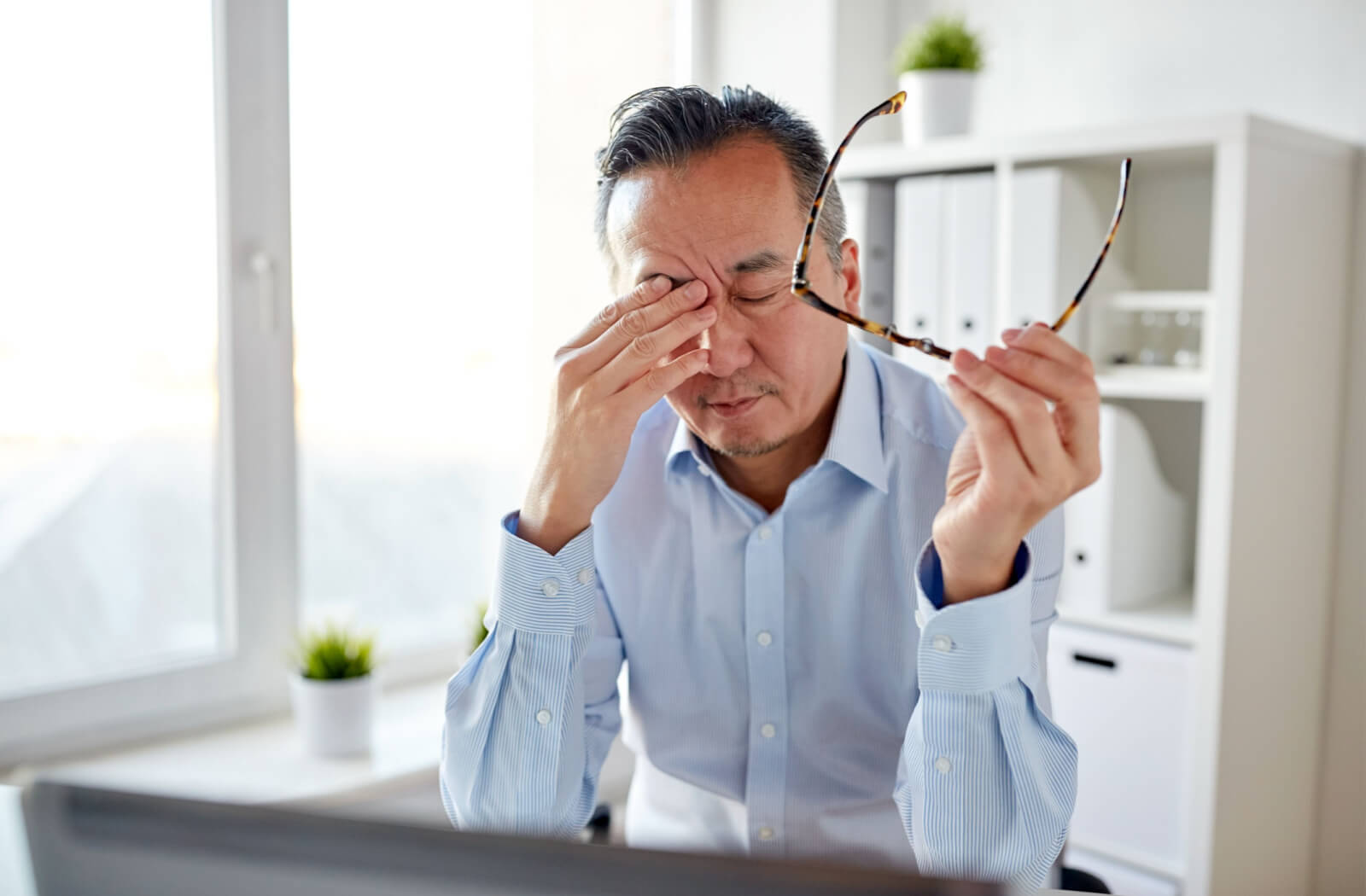
Most Common Age-Related Eye Conditions:
1. Cataracts
Cataracts are among the most common age-related eye conditions worldwide. A cataract develops when the eye’s normally clear lens becomes cloudy, preventing light from passing through properly.
Symptoms of Cataracts
Common signs include:
- Blurry or cloudy vision
- Difficulty seeing at night
- Increased glare from headlights
- Halos around lights
- Faded or yellowed colors
- Frequent changes in eyeglass prescriptions
- Double vision in one eye
Cataracts usually develop slowly over many years, making symptoms easy to overlook in the early stages.
Risk Factors
Several factors increase the likelihood of developing cataracts, including:
- Aging
- Diabetes
- Smoking
- Long-term corticosteroid use
- Excessive ultraviolet (UV) exposure
- Family history
- Previous eye injuries
Treatment
Early cataracts may be managed with updated glasses, brighter lighting, and magnifying lenses. However, when cataracts begin interfering with daily activities such as reading or driving, cataract surgery is the most effective treatment.
Modern cataract surgery is one of the safest and most successful surgical procedures, replacing the cloudy lens with a clear artificial intraocular lens.
2. Age-Related Macular Degeneration (AMD)
Age-related macular degeneration is a leading cause of vision loss among older adults. It affects the macula—the central portion of the retina responsible for sharp, detailed vision.
Unlike some eye diseases, AMD primarily affects central vision while leaving peripheral vision intact.
Symptoms
People with AMD may notice:
- Blurred central vision
- Difficulty reading
- Distorted straight lines
- Dark or empty spots in central vision
- Reduced color brightness
Risk Factors
Factors that increase the risk include:
- Age over 60
- Smoking
- High blood pressure
- Family history
- Obesity
Treatment
While dry AMD currently has no cure, certain nutritional supplements and lifestyle changes may help slow progression. Wet AMD can often be treated with anti-VEGF injections that reduce abnormal blood vessel growth and help preserve vision.
3. Glaucoma
Glaucoma is often called the “silent thief of sight” because it usually develops without pain or early symptoms. This condition damages the optic nerve, often due to increased pressure inside the eye. Without treatment, glaucoma can lead to irreversible blindness.
Symptoms
Early glaucoma often causes no symptoms.
As damage progresses, symptoms may include:
- Loss of peripheral vision
- Tunnel vision
- Difficulty seeing in dim lighting
Acute glaucoma, a rare emergency, may cause:
- Severe eye pain
- Headache
- Nausea
- Blurred vision
- Halos around lights
Risk Factors
People are more likely to develop glaucoma if they:
- Are over age 60
- Have diabetes
- Have high eye pressure
- Have a family history of glaucoma
- Are highly nearsighted
- Use steroid medications long-term
Treatment
Although glaucoma cannot be cured, treatment can slow or stop further vision loss.
Treatment options include:
- Prescription eye drops
- Oral medications
- Laser therapy
- Surgical procedures
Early diagnosis is critical because lost vision cannot be restored.
4. Dry Eye Disease
Dry eye syndrome becomes increasingly common with age due to reduced tear production and changes in tear quality. Women, particularly after menopause, are affected more frequently.
Symptoms
Dry eyes may cause:
- Burning
- Stinging
- Redness
- Itching
- Blurry vision
- Excessive tearing
- A gritty sensation
Risk Factors
Contributing factors include:
- Aging
- Hormonal changes
- Autoimmune diseases
- Certain medications
- Contact lens use
- Screen time
Treatment
Many cases improve with:
- Artificial tears
- Warm compresses
- Prescription eye drops
- Environmental modifications
- Omega-3-rich diets
- Proper eyelid hygiene
5. Posterior vitreous detachment
Posterior vitreous detachment (PVD) is a common age-related eye condition that occurs when the vitreous gel—the clear, jelly-like substance that fills the inside of the eye—naturally shrinks and separates from the retina. This process is a normal part of aging and becomes increasingly common after the age of 50.
In most cases, PVD does not cause permanent vision loss and does not require treatment. However, because it can sometimes lead to retinal tears or retinal detachment, any sudden symptoms should be evaluated by an eye care professional as soon as possible.
Symptoms
Common symptoms of posterior vitreous detachment include:
- Sudden onset of floaters, which may appear as small spots, cobwebs, or thread-like shapes drifting across your vision
- Flashes of light, especially in the peripheral vision
- Blurred vision that may improve over time
- A sensation of seeing moving shadows or specks
For many people, these symptoms become less noticeable as the brain adapts and the floaters settle below the line of sight.
Risk Factors
Several factors increase the likelihood of developing PVD, including:
- Age over 50
- Nearsightedness (myopia)
- Previous eye surgery, such as cataract surgery
- Eye injury or trauma
- Inflammation inside the eye
Warning Signs You Should Never Ignore
Some vision changes require immediate medical attention. Prompt treatment can often save vision.
Seek urgent eye care if you experience:
- Sudden vision loss
- Flashes of light
- A sudden increase in floaters
- A curtain or shadow over your vision
- Severe eye pain
- Double vision
- Persistent redness with blurred vision
How to Support Eye Health
Schedule regular eye exams
Eat nutrient-rich diets that include green leafy vegetables
Wear sunglasses outside to reduce UV damage
Stop smoking
Frequently Asked Questions
At what age do age-related eye diseases become more common?
Many age-related changes begin around age 40, but the risk of more serious eye diseases increases significantly after age 60.
Can age-related vision loss be reversed?
Some conditions, such as cataracts, can often be corrected with surgery. Others, including glaucoma and macular degeneration, cannot be reversed, but early treatment can slow progression and help preserve vision.
Are annual eye exams necessary if my vision seems fine?
Yes. Many serious eye diseases develop without noticeable symptoms in their early stages. Routine comprehensive eye exams are the best way to detect problems before permanent vision loss occurs.
Does diet really affect eye health?
Yes. A balanced diet rich in antioxidants, vitamins, minerals, and omega-3 fatty acids supports healthy eyes and may reduce the risk of certain age-related eye conditions.
Conclusion
Age-related eye conditions are common, but they do not have to result in permanent vision loss. Understanding the warning signs, knowing your personal risk factors, and scheduling regular comprehensive eye exams can make a significant difference in protecting your eyesight.
Conditions such as cataracts, glaucoma, age-related macular degeneration, diabetic retinopathy, dry eye disease, and presbyopia often develop gradually. Early detection allows for more effective treatment, helping many people maintain clear vision well into their later years.
Adopting healthy habits—including eating a nutrient-rich diet, protecting your eyes from UV rays, managing chronic health conditions, avoiding smoking, and staying physically active—supports lifelong eye health.
By taking a proactive approach today, you can reduce your risk of serious vision problems and continue enjoying the activities that matter most for years to come. Schedule your appointment at 1 of our 4 conveniently located offices in San Jose, San Mateo, San Ramon, and Juneau.