

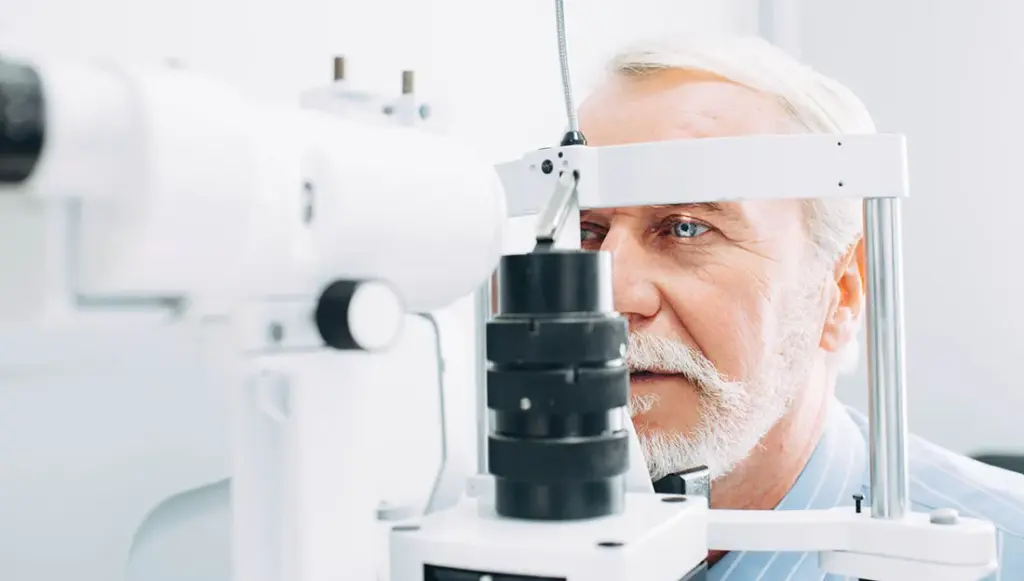
Most people think of eye exams as a way to update their glasses prescription or check for cataracts. While those are certainly important reasons, routine eye examinations can reveal much more about your overall health; including changes that may be occurring in your brain. In recent years, researchers have discovered a strong connection between vision and cognitive function. Cognitive function refers to how well your brain performs tasks such as remembering information, paying attention, solving problems, and making decisions. As we age, some changes in these abilities are normal. However, more significant changes may be early signs of conditions such as dementia or Alzheimer’s disease.
What many people don’t realize is that the eyes and brain are closely connected. In fact, certain changes in the eyes may provide early clues about changes occurring in the brain. This is one reason why regular eye examinations become increasingly important as we get older.
The Eye-Brain Connection
When you look at the world around you, your eyes collect information, but it is your brain that actually interprets what you see. The visual system is a partnership between the eyes, the optic nerves, and several areas of the brain that process images, recognize faces, judge distances, and help you navigate your surroundings. Because vision depends so heavily on brain function, changes in cognition can sometimes affect how you see and interpret visual information. Likewise, vision loss can make it more difficult for the brain to stay active and engaged.
Think of it this way: your eyes are the camera, but your brain is the computer that processes the images. If either system begins to struggle, the quality of the final picture may be affected.
How Cognitive Decline Can Affect Vision
Many patients assume that blurry vision is the only sign of an eye problem. However, changes in cognitive function often affect visual processing rather than eyesight itself. For example, a person experiencing early cognitive decline may have difficulty:
- Recognizing familiar faces
- Finding objects in a crowded environment
- Judging distances accurately
- Following moving objects
Family members sometimes notice these changes before the individual does. A loved one may become less confident driving, get lost in familiar locations, or struggle with tasks that require visual attention. In some cases, patients tell me that their glasses “don’t seem to work anymore,” even though their prescription has not changed significantly. The issue may not be the eyes themselves but rather the way the brain is processing visual information.
How Vision Loss Can Affect Brain Health
The relationship between vision and cognition works both ways. Not only can cognitive decline affect vision, but untreated vision problems may also contribute to cognitive decline. When vision becomes impaired, the brain must work harder to interpret incomplete or blurry information. Imagine trying to read a book through a foggy window. The extra effort required to understand what you’re seeing can place additional demands on the brain.
Vision loss can also lead to lifestyle changes that may negatively affect cognitive health. Patients with poor vision often:
- Participate in fewer hobbies
- Avoid social gatherings
- Exercise less
- Become more dependent on others
- Experience feelings of isolation or depression
These changes reduce mental stimulation and social engagement, both of which are important for maintaining healthy brain function as we age. Studies have consistently shown that older adults with untreated visual impairment are at a greater risk of developing cognitive decline and dementia compared with those who maintain good visual health.
What Your Eye Doctor Can See
One of the most fascinating aspects of eye care is that the eye is the only place in the body where we can directly view blood vessels and nerve tissue without surgery. During a comprehensive eye examination, we evaluate much more than your ability to read letters on a chart. We carefully examine the retina, optic nerve, blood vessels, eye movements, and other structures that can provide valuable information about your overall health. The retina, which lines the back of the eye, is actually an extension of the central nervous system. Because of this connection, certain changes in the retina may reflect changes occurring elsewhere in the brain.
Modern imaging technologies allow us to detect subtle abnormalities that may be associated with neurological conditions. While an eye exam alone cannot diagnose dementia, it can sometimes identify signs that warrant further medical evaluation. In some cases, routine eye examinations have led to the discovery of previously undiagnosed health conditions such as diabetes, hypertension, stroke risk, and neurological disorders.
The Importance of Routine Eye Examinations
Many eye diseases develop slowly and without noticeable symptoms. By the time vision changes become obvious, permanent damage may already have occurred. Routine eye examinations provide an opportunity to detect problems early, when treatment is often most effective.
Regular eye exams can help identify:
- Cataracts
- Glaucoma
- Diabetic eye disease
- Retinal disorders
- Neurological abnormalities
- Changes that may be associated with cognitive decline
For older adults, these examinations are particularly important. Even if you feel your vision is good, subtle changes may be occurring that only a comprehensive examination can detect. Early intervention not only helps preserve vision but may also support independence, mobility, and overall quality of life.

Protecting Both Your Vision and Your Brain
The good news is that many factors that support eye health also support brain health.
To support both your vision and cognitive health, it is important to adopt a proactive approach to overall well-being. Regular comprehensive eye examinations can help detect changes in eye health before they begin to affect daily activities. Maintaining an active lifestyle through regular exercise promotes healthy blood circulation to both the eyes and the brain, potentially reducing the risk of vision loss and cognitive decline. Managing chronic conditions such as diabetes, hypertension, and high cholesterol is equally important, as these conditions can negatively impact both visual and cognitive function.
A balanced diet rich in fruits, vegetables, whole grains, antioxidants, and omega-3 fatty acids provides essential nutrients that support eye and brain health. In addition, staying mentally and socially engaged through activities such as reading, learning new skills, solving puzzles, and maintaining meaningful social connections can help preserve cognitive function. Finally, any changes in vision; including blurred vision, difficulty reading, increased glare sensitivity, balance issues, or altered visual perception; should be evaluated promptly, as early intervention can help prevent further complications.
A Final Message to My Patients
As eye care professionals, our goal is not simply to help you see clearly. We want to help you maintain your independence, safety, and quality of life. Your eyes can provide valuable insights into your overall health, including the health of your brain. Routine eye examinations allow us to detect vision problems early, monitor for signs of disease, and identify changes that may deserve further attention.
If there is one message I hope you take away from this article, it is this: never underestimate the value of a routine eye exam. It is one of the simplest and most effective ways to protect not only your vision but also your long-term health and well-being. The eyes truly are a window to the brain, and regular eye care may play a larger role in healthy aging than many people realize.
Schedule your appointment at 1 of our 4 conveniently located offices in San Jose, San Mateo, San Ramon, and Juneau.