

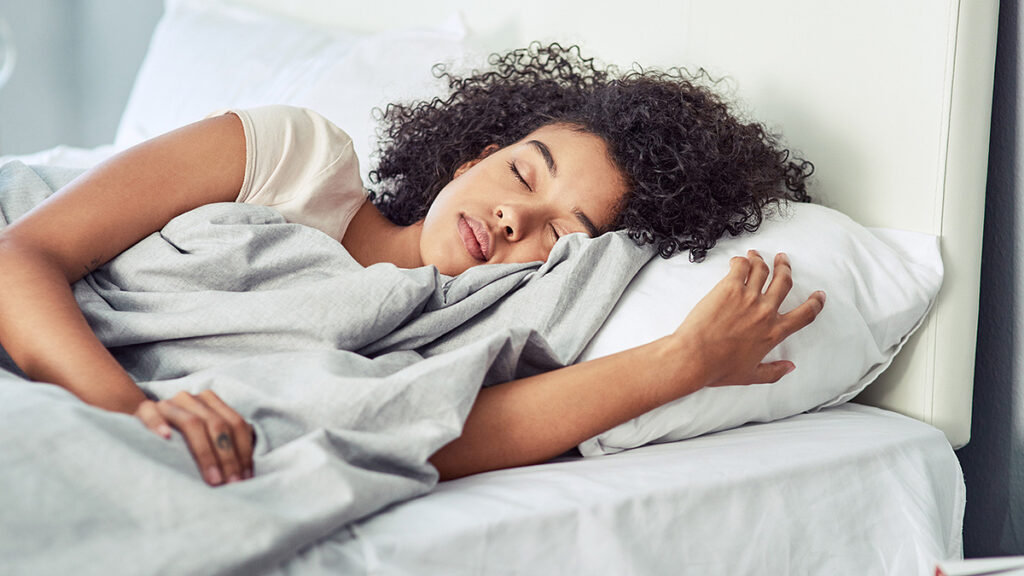
Are Your Sleep Habits Hurting Your Eyes?
Most people know poor sleep can make them feel tired. It can also affect mood, focus, and energy. However, many people do not realize it can affect their vision too.
Your eyes work all day. They help you read, drive, work, and enjoy your favorite activities. Like the rest of your body, your eyes need rest. Without enough sleep, they cannot perform at their best.
Poor sleep can lead to blurry vision, dry eyes, eye strain, and twitching eyelids. Over time, sleep problems may even increase the risk of certain eye diseases.
The good news is that better sleep can help support better vision.
Why Sleep Is Important for Eye Health
Sleep gives your body time to recover. During sleep, your body repairs tissues and restores energy. Your eyes benefit from this process as well.
While you sleep, your eyes receive nutrients and moisture. They also recover from the stress of the day.
When you do not get enough sleep, your eyes may struggle to function properly. As a result, you may notice vision changes the next day.
Even one bad night can affect your eyes. However, ongoing sleep problems can have a bigger impact.
Blurry Vision After a Poor Night’s Sleep
Blurry vision is a common symptom of sleep deprivation.
When you are tired, your eyes may have trouble focusing. Objects may seem less sharp. Reading may feel harder than usual.
Sleep loss can also affect how the brain processes visual information. In addition, tired eye muscles may not work as efficiently.
Fortunately, this type of blurry vision is usually temporary. Once you get enough rest, your vision often improves.
Dry Eyes and Lack of Sleep
Dry eyes are another common problem.
Your tears keep the surface of the eye healthy and comfortable. However, poor sleep can reduce tear production and tear quality.
As a result, your eyes may feel:
- Dry
- Gritty
- Burning
- Irritated
- Sensitive to light
Many people with dry eye disease notice worse symptoms when they do not sleep well.
Therefore, improving sleep habits may help reduce eye discomfort.
Eye Twitching and Sleep Deprivation
A twitching eyelid can be annoying. In many cases, poor sleep is the cause.
Sleep deprivation places stress on the nervous system. Because of this, small muscles around the eye may begin to contract on their own.
Eye twitching is usually harmless. Still, it can be frustrating.
Getting more sleep often helps. Reducing stress and limiting caffeine may help as well.
Eye Strain Gets Worse When You Are Tired
Tired eyes have to work harder.
This can lead to eye strain. The problem becomes even worse during long hours of screen use.
Common symptoms include:
- Sore eyes
- Heavy eyelids
- Trouble focusing
- Headaches
- Fatigue
Many people spend hours each day on computers and phones. When poor sleep is added to the mix, symptoms often become more noticeable.
As a result, both sleep and screen habits matter.
Sleep Loss Can Slow Visual Processing
Seeing involves more than just the eyes. The brain plays a major role too.
When you do not get enough sleep, the brain works less efficiently. Because of this, visual processing may slow down.
You may notice:
- Slower reaction times
- Reduced attention
- Difficulty tracking moving objects
- More mistakes during visual tasks
This can be especially important while driving. Sleep deprivation can reduce alertness and reaction speed.
Therefore, getting enough sleep is important for safety as well as vision.
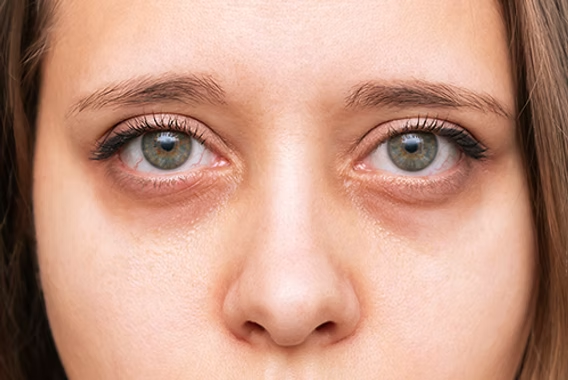
Dark Circles and Puffy Eyes
Dark circles and puffy eyes are common signs of poor sleep.
When you are sleep deprived, blood vessels around the eyes may become more visible. Fluid can also build up around the eyelids.
As a result, you may wake up with:
- Dark circles
- Swollen eyelids
- Puffiness
- A tired appearance
These symptoms usually improve once sleep improves.
Sleep Apnea and Vision Problems
Sleep apnea is a condition that causes repeated pauses in breathing during sleep.
People with sleep apnea often wake up many times during the night. Even if they do not remember it, their sleep quality suffers.
Researchers have linked sleep apnea to several eye conditions, including:
- Glaucoma
- Dry eye disease
- Floppy eyelid syndrome
- Optic nerve damage
- Retinal problems
Because of these risks, sleep apnea should not be ignored.
Talk to a healthcare provider if you snore heavily, wake up gasping, or feel exhausted during the day.
Can Poor Sleep Increase Glaucoma and Vision Risk?
Glaucoma damages the optic nerve. Without treatment, it can lead to permanent vision loss.
Researchers continue to study the connection between sleep and glaucoma. However, several studies have found a link between poor sleep quality and glaucoma risk.
Sleep disorders may affect blood flow to the optic nerve. This may place added stress on the eye.
While poor sleep does not directly cause glaucoma, healthy sleep habits may support long-term eye health.
Irregular Sleep Schedules Can Affect Your Eyes
Sleep quality matters. However, sleep consistency matters too.
Many people stay up late on weekends. Others work changing shifts. These habits can disrupt the body’s internal clock.
This internal clock is called the circadian rhythm. It helps regulate many functions throughout the body.
When the circadian rhythm is disrupted, people may experience:
- Eye fatigue
- Dry eyes
- Trouble focusing
- Reduced visual performance
For this reason, a regular sleep schedule is important.
How to Protect Your Vision Through Better Sleep
Small changes can make a big difference.
Keep a Consistent Sleep Schedule
Go to bed and wake up at the same time each day whenever possible.
Limit Screens Before Bed
Phones, tablets, and computers can interfere with sleep. Try to avoid them before bedtime.
Stay Hydrated
Good hydration supports healthy tear production.
Create a Better Sleep Environment
Keep your bedroom cool, dark, and quiet. This can help improve sleep quality.
Take Screen Breaks
Use the 20-20-20 rule. Every 20 minutes, look at something 20 feet away for at least 20 seconds.
Schedule Regular Eye Exams
Routine eye exams can help detect problems early. They can also uncover signs of underlying health conditions.
When to See an Eye Doctor
Occasional eye fatigue after a poor night’s sleep is normal. However, ongoing symptoms deserve attention.
Schedule an eye exam if you experience:
- Persistent blurry vision
- Frequent eye strain
- Chronic dry eyes
- Double vision
- Sudden vision changes
- Ongoing light sensitivity
Also, tell your eye doctor about any sleep issues. Sleep problems can sometimes contribute to vision complaints.
The Bottom Line
Your sleep habits can have a major impact on your vision.
Poor sleep may cause blurry vision, dry eyes, eye strain, and eyelid twitching. It can also affect how your brain processes visual information. In some cases, sleep disorders may increase the risk of serious eye conditions.
Fortunately, healthy sleep habits can help protect your eyes. By getting enough rest each night and keeping a consistent sleep schedule, you can support clearer vision and better overall eye health.
Schedule your appointment at 1 of our 4 conveniently located offices in San Jose, San Mateo, San Ramon, and Juneau.