

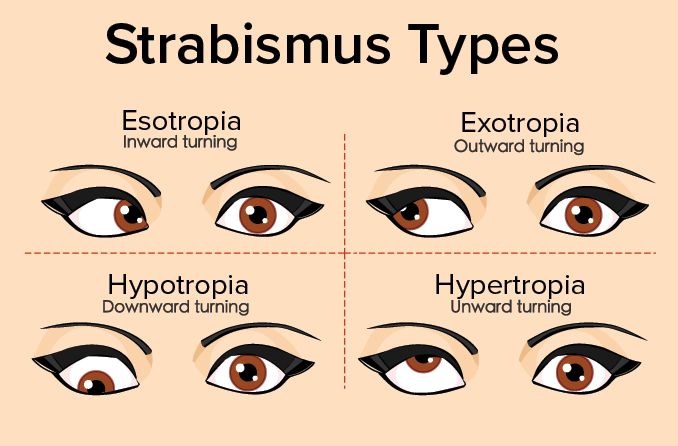
As parents, we want our children to do well in school, feel confident, and enjoy learning. When a child struggles with reading, paying attention, or keeping up in the classroom, many parents assume the problem is academic. However, vision issues can sometimes be part of the reason. One common eye condition that can affect a child’s learning is strabismus. If you’ve noticed one of your child’s eyes turning inward, outward, upward, or downward, they may have strabismus. While many people think of strabismus as simply an eye alignment issue, it can have a much bigger impact on a child’s daily life, especially at school. The good news is that early diagnosis and treatment can make a significant difference. That’s why regular eye exams are so important.
What Is Strabismus?
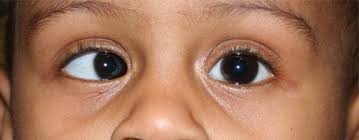
Strabismus is a condition in which the eyes do not line up properly. Instead of both eyes looking at the same object together, one eye may point in a different direction. Some people refer to this as being “cross-eyed” when an eye turns inward or “wall-eyed” when an eye turns outward. Strabismus can be present all the time or only occasionally. When the eyes are not working together, the brain receives two different images. In young children, the brain may begin to ignore the image from one eye to avoid double vision. Over time, this can lead to another condition called amblyopia, or “lazy eye,” which can cause permanent vision loss if not treated early.
How Can Strabismus Affect Learning?
Many parents are surprised to learn how closely vision and learning are connected. In school, children spend much of their day using their eyes. They read books, write assignments, look at screens, copy information from the board, and participate in classroom activities. When the eyes are not working together properly, these tasks can become much more difficult.
Reading Can Become a Challenge
Reading requires the eyes to move smoothly across lines of text and stay focused on words.
A child with strabismus may:
- Lose their place while reading
- Skip words or lines
- Become frustrated during reading assignments
- Avoid reading whenever possible
Some children simply think reading is hard, without realizing that a vision problem may be contributing to their struggles.
Schoolwork May Feel More Tiring
Children with strabismus often have to work harder to process visual information. As a result, they may experience eye strain, headaches, or fatigue during the school day. Teachers and parents may notice that a child has trouble concentrating, becomes distracted easily, or loses interest in schoolwork. In some cases, the child is actually working harder than everyone else just to see comfortably.
Writing and Classroom Tasks Can Be More Difficult
Strabismus can also affect hand-eye coordination and visual tracking.
A child may have trouble:
- Copying notes from the board
- Keeping numbers lined up in math problems
- Writing neatly on a page
- Completing worksheets accurately
These challenges can affect grades and classroom confidence.
Sports and Physical Activities May Be Affected
Many children with strabismus have reduced depth perception because their eyes are not working together as a team. This can make it harder to judge distances when catching a ball, riding a bike, climbing on playground equipment, or participating in sports. Parents may notice that their child seems unusually clumsy or hesitant during physical activities.
The Emotional Impact of Strabismus
The effects of strabismus are not always physical. School is also a social environment, and children are often very aware of differences in appearance. A visible eye turn may sometimes lead to teasing, unwanted attention, or questions from other children. As a result, some children become self-conscious or avoid making eye contact. They may feel less confident in social situations or classroom activities. Treating strabismus can improve more than vision. It can also help a child feel more comfortable and confident around others.
Signs Parents Should Watch For
Not all children will tell their parents that something is wrong with their vision. In fact, many children assume that everyone sees the same way they do.
You may want to schedule an eye exam if you notice:
- One eye turning inward, outward, upward, or downward
- Frequent squinting
- Closing one eye while reading
- Tilting the head to see better
- Complaints of headaches or tired eyes
- Difficulty reading
- Trouble concentrating on schoolwork
- Poor hand-eye coordination
- Frequent stumbling or bumping into objects
Even if symptoms seem mild, it is worth having your child’s eyes evaluated.
How Is Strabismus Treated?
Treatment depends on the type and severity of strabismus, as well as the child’s age.
Glasses
For some children, prescription glasses can help improve eye alignment and make it easier for the eyes to work together.
Patching
If one eye has become weaker than the other, patching the stronger eye may help strengthen vision in the weaker eye.
Vision Therapy
Vision therapy uses specialized exercises to improve eye coordination and visual skills.
Eye Muscle Surgery
In some cases, surgery may be recommended to adjust the eye muscles and improve alignment. Eye muscle surgery is a common and effective treatment for many children with strabismus. Your eye doctor will recommend the treatment plan that best fits your child’s needs.
Why Regular Eye Exams Are So Important
One of the biggest misconceptions about children’s vision is that if a child doesn’t complain, their eyes must be healthy. Unfortunately, many vision problems—including strabismus—can go unnoticed for years. School vision screenings are helpful, but they do not catch every eye condition. A comprehensive eye exam evaluates much more than whether a child can read letters on a chart. It allows the doctor to assess eye alignment, depth perception, focusing ability, and overall eye health. The earlier strabismus is detected, the better the chances of preventing long-term vision problems and minimizing its impact on learning.
The Bottom Line
Strabismus is more than a cosmetic concern. It can affect how a child reads, learns, participates in sports, and interacts with classmates. In some cases, it may even contribute to academic struggles that are mistakenly blamed on other causes. The good news is that effective treatments are available, especially when the condition is identified early. Regular eye exams are one of the best ways to protect your child’s vision and support their success in school. If you have concerns about your child’s eyes or learning difficulties, schedule a comprehensive eye examination. Early detection can make a lasting difference in your child’s vision, confidence, and future success.
Schedule your appointment at 1 of our 4 conveniently located offices in San Jose, San Mateo, San Ramon, and Juneau.