

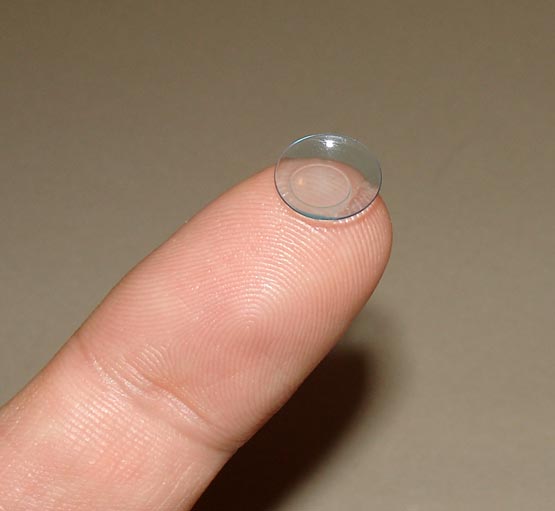
Gas permeable contact lenses offer another way to correct vision. Eye doctors also call them rigid gas permeable, or GP, lenses. They feel firmer than soft contacts. Still, they allow oxygen to reach the eye. They also provide very sharp vision for many people.
Today, GP lenses make up a small part of the contact lens market. Even so, they remain an important choice. In fact, many eye doctors recommend them for people with certain eye conditions or complex prescriptions.
So, what are gas permeable contact lenses? How do they work? And who should wear them? This guide answers those questions and more.
What Are Gas Permeable Contact Lenses?
Gas permeable contact lenses are firm contact lenses that correct vision. Unlike soft contacts, they do not bend easily. Instead, they keep their shape while they sit on the eye.
That firm shape offers an important benefit. It creates a smooth surface over the cornea. As a result, light focuses more clearly. Many people notice sharper vision because of this design.
Modern GP lenses also let oxygen pass through the material. Therefore, the cornea gets the oxygen it needs to stay healthy.
Older hard contact lenses did not allow oxygen to reach the eye. Fortunately, today’s GP lenses solved that problem years ago.
A Short History of Gas Permeable Lenses
The idea of contact lenses goes back hundreds of years.
In the early 1500s, Leonardo da Vinci studied how the eye focused light. He even drew ideas that inspired later inventors.
However, the first real contact lenses did not appear until the late 1800s. Inventors made those lenses from glass. They improved vision, but they felt heavy. They also covered much of the eye. Because of that, people could wear them only for a short time.
Later, manufacturers created hard plastic lenses. These lenses weighed less than glass. They also gave clearer vision. However, they blocked oxygen from reaching the cornea. As a result, many people experienced redness and discomfort.
Everything changed during the 1970s.
Scientists developed new plastic materials that allowed oxygen to pass through the lens. At the same time, the lenses stayed firm and durable. Those new materials created the first modern gas permeable contact lenses.
Soon afterward, soft contact lenses became very popular. They felt comfortable almost right away. Even so, GP lenses never disappeared. Instead, eye doctors continued to improve their design. Today, they remain one of the best options for many patients.
How Do Gas Permeable Contact Lenses Work?
GP lenses work differently than soft contacts.
A soft lens bends with the shape of your eye. A GP lens keeps its shape.
That firm shape creates a smooth surface over the front of the eye. As light passes through the lens, it focuses more accurately. Therefore, vision often looks sharper.
GP lenses also move slightly each time you blink. This movement allows fresh tears to flow under the lens. Those tears help remove small particles from the eye.
At the same time, oxygen passes through the lens material. This helps keep the cornea healthy throughout the day.
What Are GP Lenses Made Of?
Manufacturers make GP lenses from advanced plastic materials.
These materials often include:
- Silicone
- Fluoropolymers
- Oxygen-permeable plastics
Together, these materials create a lens that is:
- Strong
- Lightweight
- Breathable
- Long-lasting
Because of these materials, GP lenses provide clear vision while keeping the eye healthy.
Who Can Wear Gas Permeable Contact Lenses?
Many people wear GP lenses successfully.
Eye doctors often recommend them for patients with:
- Astigmatism
- Keratoconus
- Corneal scars
- Irregular corneas
- High nearsightedness
- High farsightedness
- Presbyopia
Some people also switch to GP lenses after soft contacts stop giving them clear vision.
Every eye is different. Therefore, your eye doctor will decide whether GP lenses are a good option for you.
Different Types of GP Lenses
GP lenses come in several designs.
Corneal GP Lenses
These are the traditional GP lenses.
They rest directly on the cornea. They work well for many common prescriptions.
Scleral Lenses
Scleral lenses are much larger.
Instead of resting on the cornea, they rest on the white part of the eye. Doctors call this area the sclera.
The lens creates a small space over the cornea. That space fills with tears. As a result, the eye stays moist throughout the day.
Many eye doctors recommend scleral lenses for:
- Severe dry eye
- Keratoconus
- Corneal disease
- Corneal scars
- Some eye injuries
Orthokeratology (Ortho-K)
Ortho-K uses special GP lenses.
Patients wear these lenses while they sleep.
During the night, the lenses gently reshape the cornea. In the morning, patients remove the lenses. Many people then enjoy clear vision all day without glasses or contacts.
Doctors also use Ortho-K to slow the progression of myopia in many children.
Benefits of Gas Permeable Contact Lenses
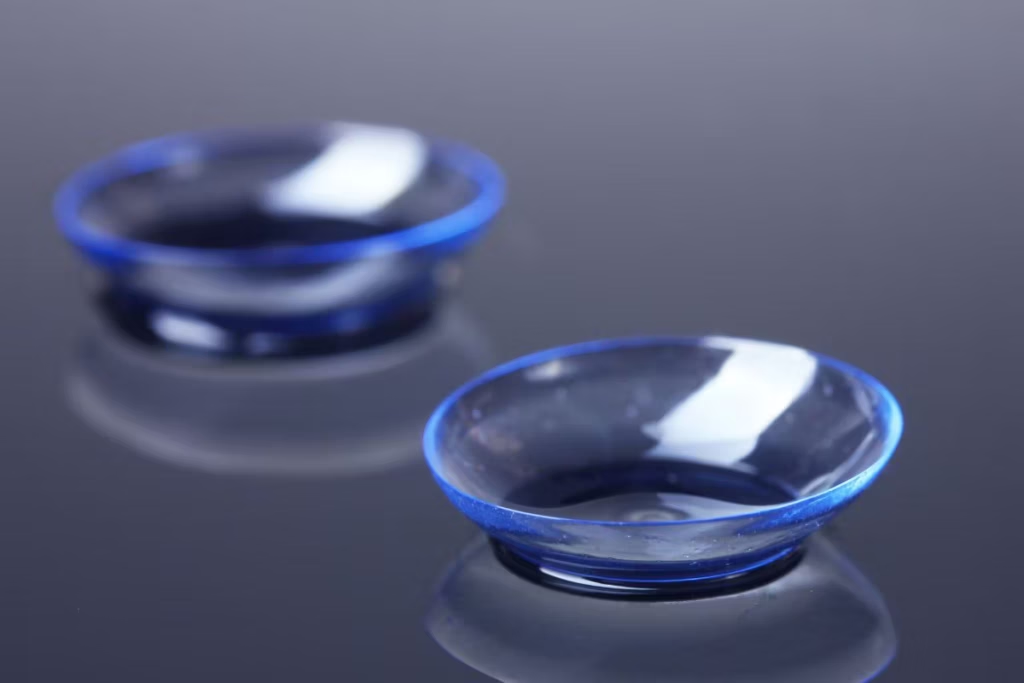
GP lenses offer many advantages.
Very Sharp Vision
Many people notice clearer vision with GP lenses.
Because the lens keeps its shape, it reduces blur caused by astigmatism and irregular corneas.
Healthy Oxygen Flow
Modern materials allow oxygen to reach the cornea.
As a result, the eye stays healthier during daily wear.
Long Life
GP lenses last much longer than many soft lenses.
With proper care, one pair may last one to two years.
Cleaner Lenses
Protein and oil do not stick to GP lenses as easily.
Because of that, many lenses stay cleaner over time.
Custom Fit
Eye doctors design each GP lens for the individual patient.
This custom fit often improves both comfort and vision.
Lower Cost Over Time
GP lenses usually cost more at first.
However, they last much longer than disposable soft lenses. Therefore, many people spend less money over several years.
Drawbacks of Gas Permeable Contact Lenses
GP lenses also have a few disadvantages.
They Take Time to Adjust
Most people need several days to get used to them.
Some people need a few weeks.
Fortunately, comfort usually improves with regular wear.
They Feel Different
GP lenses are smaller than soft contacts.
Because of that, you may notice them move when you blink.
Most people stop noticing the movement after they adjust.
You Should Wear Them Often
Your eyes adapt to GP lenses over time.
If you stop wearing them for several days, you may need another short adjustment period.
The First Fitting Costs More
A GP fitting takes more time than a soft contact fitting.
Your eye doctor must measure your eyes carefully. They may also order custom lenses. Because of this, the first visit often costs more.
How Common Are GP Lenses?
Soft contact lenses remain the most popular choice.
Only a small number of contact lens wearers choose GP lenses.
However, many specialty eye clinics fit GP lenses every day.
Eye doctors often recommend them for people with keratoconus, irregular corneas, or severe astigmatism.
In recent years, scleral lenses have also become more popular. Because scleral lenses use GP materials, interest in gas permeable lenses continues to grow.
How Does a Doctor Fit GP Lenses?
A GP fitting takes several steps.
First, your eye doctor examines your eyes.
Next, they measure the shape of your cornea.
Many doctors also use corneal topography. This technology creates a detailed map of the front of your eye.
After that, your doctor places trial lenses on your eyes.
They check:
- Vision
- Lens movement
- Comfort
- Eye health
Finally, they order custom lenses if needed.
Your doctor may schedule follow-up visits. These visits help fine-tune the fit.
How Should You Care for GP Lenses?
Good lens care keeps your eyes healthy.
Always remember to:
- Wash your hands first.
- Clean the lenses every day.
- Use fresh cleaning solution.
- Never use tap water.
- Replace your storage case often.
- Follow your doctor’s instructions.
Regular eye exams are also important.
Your doctor can make sure the lenses still fit well.
Are GP Lenses Better Than Soft Contacts?
There is no single answer.
Soft contacts work well for many people. They feel comfortable quickly. They also come in daily, weekly, and monthly options.
GP lenses offer different benefits.
Many people enjoy sharper vision. Others need GP lenses because of keratoconus or irregular corneas.
The best choice depends on your eyes, your prescription, and your daily routine.
Your eye doctor can help you decide.
The Bottom Line
Gas permeable contact lenses have helped people see clearly for more than 50 years. Although soft contact lenses are more common today, GP lenses still offer many advantages.
They provide sharp vision, allow oxygen to reach the eye, and last much longer than many soft lenses. They also help people with astigmatism, keratoconus, corneal scars, and other eye conditions that need a more customized solution.
If soft contact lenses do not give you the vision you want, ask your eye doctor about gas permeable contact lenses. A professional fitting can help you find the best lens for your eyes, your lifestyle, and your long-term eye health.
Schedule your appointment at 1 of our 4 conveniently located offices in San Jose, San Mateo, San Ramon, and Juneau.