

Vision: The Ultimate Competitive Advantage
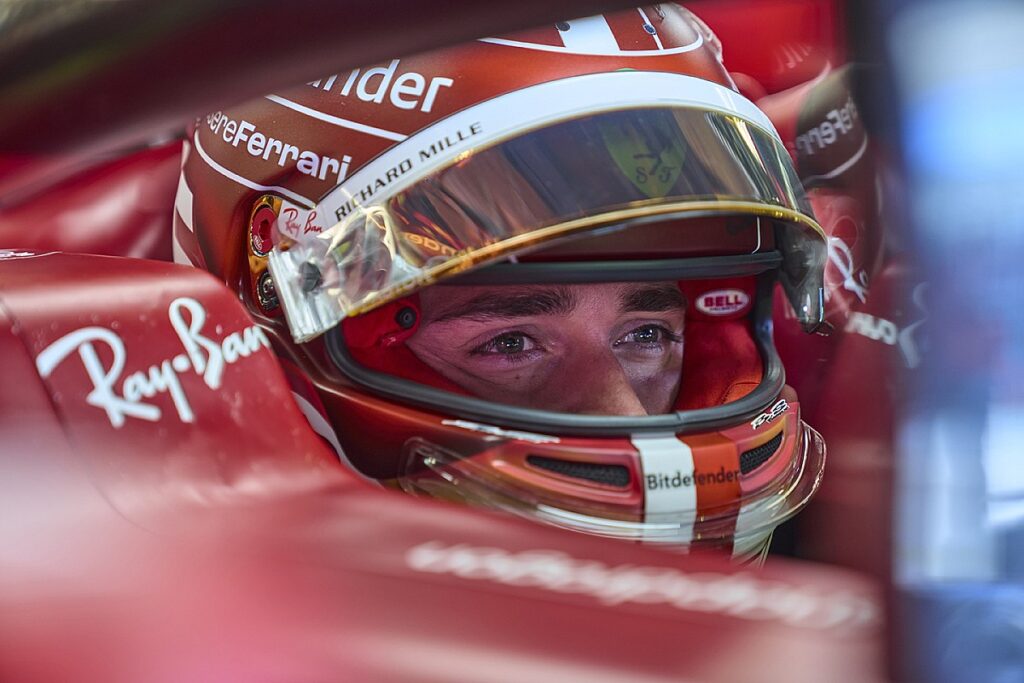
When most people think about Formula 1, they picture cutting-edge technology, roaring engines, and drivers pushing their cars to incredible speeds. What often goes unnoticed is one of the most important tools in the cockpit: a driver’s vision.
Formula 1 drivers race at speeds exceeding 200 mph, making split-second decisions while navigating corners, managing tire wear, monitoring competitors, and processing a constant stream of information. Their ability to see, interpret, and react is every bit as important as the machinery beneath them.
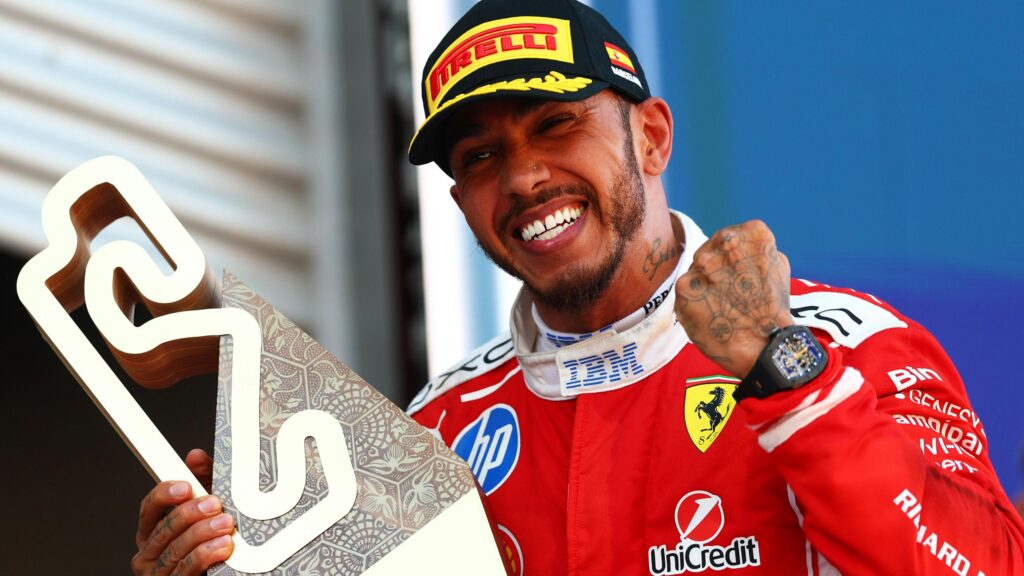
That reality was on display during Lewis Hamilton’s recent victory for Ferrari at the Spanish Grand Prix in Barcelona. The win marked a milestone in Hamilton’s career and served as a reminder that success in Formula 1 isn’t just about speed. It requires exceptional awareness, concentration, and the ability to process information under intense pressure. For drivers like Hamilton, vision is more than a physical sense, it’s a performance tool.
Vision at 200 MPH
Imagine driving down a highway at 70 mph and trying to read road signs, monitor traffic, and react to changing conditions. Now triple that speed. A Formula 1 driver can travel more than 300 feet every second. In the time it takes someone to blink, a race car may have covered the length of a football field.
At those speeds, drivers aren’t simply looking at the track. They’re constantly gathering information. Braking markers, corner entry points, weather conditions, tire grip, dashboard displays, and nearby competitors all compete for attention. The challenge isn’t just seeing these things, it’s understanding what they mean and deciding how to respond almost instantly.
A small visual cue can signal a major opportunity or a potential problem. The driver ahead may be struggling with tire wear. A patch of asphalt may offer more grip. A rival may be setting up an overtake. The eyes collect the information, but the brain must process it in fractions of a second.
Looking Ahead, Not Looking Around
One of the biggest misconceptions about racing is that drivers focus on what’s directly in front of them. In reality, experienced drivers are almost always looking ahead. As they enter a corner, their eyes are already focused on the apex. By the time they reach it, they’re looking toward the exit. As they accelerate away, they’re preparing for the next turn. This technique allows drivers to anticipate rather than react.
The best drivers aren’t constantly responding to events as they happen. Instead, they’re predicting what is likely to happen next. This ability creates smoother driving, quicker reactions, and greater consistency throughout a race. It’s one of the reasons experience matters so much in Formula 1. Drivers learn to recognize patterns and identify situations before they fully develop.
Peripheral Vision: The Secret Weapon
Formula 1 drivers also rely heavily on peripheral vision. At the start of a race, twenty cars may be separated by only inches as they charge toward the first corner. Looking directly at every competitor would be impossible. Instead, drivers use their peripheral awareness to understand where surrounding cars are positioned.
This skill becomes even more important during wheel-to-wheel battles. Drivers frequently race side-by-side at speeds approaching 180 mph while leaving only inches between their cars. They must know exactly where their rivals are without taking their eyes off the racing line. Strong peripheral vision helps drivers maintain spatial awareness and avoid costly mistakes. It’s one of the less visible skills that often separates elite competitors from the rest of the field.
Training for Faster Visual Processing
The visual demands of Formula 1 are so intense that drivers actively train their eyes and reaction times. Many use reaction-light systems that require them to identify and respond to flashing targets as quickly as possible. Others focus on exercises that improve tracking, depth perception, and hand-eye coordination.
Advanced simulators also play a major role in driver preparation. These systems recreate race conditions with remarkable realism, allowing drivers to sharpen their visual processing skills before ever arriving at the circuit. The goal isn’t simply to react faster. It’s to identify important information while filtering out distractions. That ability becomes especially valuable during races that can last nearly two hours and require unwavering concentration from start to finish.
Why Routine Eye Exams Matter
The extraordinary visual abilities of Formula 1 drivers highlight something that applies to everyone: healthy vision matters. Professional drivers understand that even a small change in eyesight could affect performance. That’s why routine eye examinations are an important part of maintaining peak condition. Drivers depend on clear vision, depth perception, eye coordination, and peripheral awareness every time they get behind the wheel. Regular eye exams help ensure that these skills remain sharp and that any potential issues are identified early.
The same principle applies in everyday life. Most people aren’t racing through corners at 200 mph, but they still rely on their eyes every day while driving, working, reading, exercising, and using digital devices. Many eye conditions develop gradually and without obvious symptoms. Routine comprehensive eye exams can help detect vision changes early and may even reveal signs of broader health concerns, including diabetes and high blood pressure. Formula 1 drivers understand that protecting their vision is essential to success. For the rest of us, routine eye care is one of the simplest ways to protect our independence, safety, and quality of life.
More Than Just Fast Cars
Formula 1 is often celebrated as the pinnacle of automotive engineering, but the sport is also a remarkable demonstration of human performance. Every braking point, overtaking move, and strategic decision begins with visual information. Drivers rely on their eyes to understand an environment that changes by the second and demands constant adaptation. When fans watch a Formula 1 race, they see incredible speed. What they don’t always see is the extraordinary work being done by a driver’s eyes and brain.
The ability to process information, anticipate what comes next, and make decisions in fractions of a second is what separates champions from the rest of the field. Lewis Hamilton’s recent Ferrari victory offered another example of that reality. Behind every successful lap is a driver whose visual awareness and decision-making are operating at an exceptional level. Formula 1 may showcase some of the fastest cars in the world, but it also reminds us of something much more relatable: our vision is one of our most valuable assets. Whether competing for a Grand Prix victory or simply navigating everyday life, taking care of our eyes through routine examinations is one of the smartest investments we can make in our long-term health and performance. Schedule your appointment at 1 of our 4 conveniently located offices in San Jose, San Mateo, San Ramon, and Juneau.