

Medically reviewed by Dr. William To, OD.
When people think about protecting their eyesight, they often think about glasses, sunglasses, or regular visits to the optometrist. These habits are all important. However, your diet also plays a key role in supporting healthy vision. A balanced diet provides the vitamins, antioxidants, and healthy fats your eyes need to function at their best. Although no single superfood can prevent eye disease or replace professional eye care, eating a variety of nutritious foods can help support healthy vision throughout your life.
To make healthy eating easier, we’ve highlighted five eye-friendly superfoods. Better yet, each one includes a simple recipe you can try at home.
Superfood #1. Spinach: The Green Powerhouse
Spinach is one of the best foods you can eat for your eyes. It contains lutein and zeaxanthin, two antioxidants that naturally build up in the retina. Together, these nutrients help protect your eyes from everyday light exposure and oxidative stress. In addition, spinach is rich in vitamin C, vitamin E, and beta-carotene. As a result, it’s an excellent choice for supporting overall eye health.
Try This: Green Breakfast Smoothie
Ingredients
- 2 cups baby spinach
- 1 banana
- 1 cup frozen mango
- ½ cup Greek yoghurt
- 1 cup milk (or your favourite plant-based alternative)
- A handful of ice
Simply blend everything until smooth. Then enjoy it as a quick breakfast or refreshing afternoon snack.
Superfood #2. Salmon: Healthy Fats for Healthy Eyes
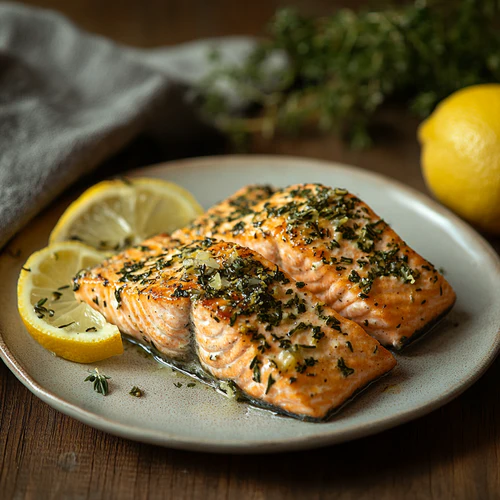
Salmon is rich in omega-3 fatty acids, especially DHA. This healthy fat is an important part of the retina. In addition, omega-3s support healthy tear production. Therefore, they may help people who experience dry eye symptoms. For this reason, eating fish twice a week is an easy way to include these beneficial fats in your diet.
Try This: Lemon Herb Baked Salmon
Ingredients
- 2 salmon fillets
- 1 tablespoon olive oil
- Juice of half a lemon
- Salt and pepper
- Fresh parsley or dill
First, brush the salmon with olive oil and lemon juice. Next, season with salt, pepper, and fresh herbs. Finally, bake at 200°C (400°F) for 12–15 minutes. Serve with roasted vegetables and brown rice for a healthy, balanced meal.
Superfood #3. Blueberries: Tiny but Mighty
Blueberries are packed with antioxidants, including vitamin C and anthocyanins. Together, these nutrients help protect your body’s cells from oxidative stress.
Although research into berries and eye health is still ongoing, adding antioxidant-rich fruits to your diet is a smart choice. Plus, blueberries are delicious, versatile, and easy to enjoy.
Try This: Blueberry Yoghurt Bowl
Ingredients
- 1 cup Greek yoghurt
- ½ cup fresh blueberries
- A sprinkle of granola
- 1 teaspoon chia seeds
- A drizzle of honey (optional)
Simply combine all the ingredients in a bowl. In just five minutes, you’ll have a nutritious breakfast or satisfying snack.
Superfood #4. Eggs: A Nutrient-Rich Favourite
Eggs are simple, affordable, and packed with nutrients. The yolks naturally contain lutein, zeaxanthin, vitamin A, and zinc. Together, these nutrients help support healthy vision. They’re also easy to include in your weekly meal plan.
Try This: Veggie Spinach Omelette
Ingredients
- 2 eggs
- Handful of spinach
- Cherry tomatoes
- Mushrooms
- A sprinkle of cheese
First, cook the vegetables until tender. Next, pour in the beaten eggs. Cook until set. Finally, sprinkle with cheese and serve with wholegrain toast for a balanced meal.
Superfood #5. Nuts and Seeds: A Healthy Snack
Almonds, walnuts, sunflower seeds, chia seeds, and flaxseeds are rich in vitamin E and healthy fats. These nutrients help protect your body’s cells from oxidative damage.
Better yet, nuts and seeds are easy to add to your meals. For example, sprinkle them over yoghurt, toss them into salads, or enjoy them as a snack.
Try This: Homemade Trail Mix
Combine:
- Almonds
- Walnuts
- Pumpkin seeds
- Sunflower seeds
- Dried cranberries
- A few dark chocolate chips (optional)
Mix everything together and store it in an airtight container. That way, you’ll always have a healthy grab-and-go snack ready.
Build an Eye-Friendly Plate
Rather than relying on a single “superfood,” aim to eat a wide variety of colourful, whole foods. After all, different foods provide different nutrients.
For a balanced plate, include:
- A leafy green vegetable
- A colourful fruit or vegetable
- A source of lean protein
- Healthy fats
- Whole grains
Together, these foods support healthy vision. At the same time, they also benefit your heart, brain, and overall wellbeing.
Healthy Eating Is Only One Piece of the Puzzle
Good nutrition is important. However, it’s only one part of protecting your eyesight.
You can also support your eye health by:
- Wearing sunglasses that block 100% of UVA and UVB rays.
- Following the 20-20-20 rule during screen time.
- Staying physically active.
- Avoiding smoking.
- Managing conditions such as diabetes and high blood pressure.
Together, these healthy habits help protect your vision throughout life.
Why Routine Eye Exams Are So Important
Even if you eat a healthy diet and your vision seems clear, routine eye examinations are still essential. Many eye diseases, including glaucoma, diabetic eye disease, and age-related macular degeneration, develop slowly. In fact, they often have no noticeable symptoms in the early stages. As a result, vision loss can occur before you realise anything is wrong.
Fortunately, comprehensive eye examinations can detect many eye conditions early. During your appointment, your optometrist checks more than just your vision. They also examine the health of your eyes, look for changes to your prescription, and screen for signs of disease. Therefore, problems can often be managed before they affect your sight.
In addition, eye exams may reveal signs of broader health conditions, including diabetes, high blood pressure, and high cholesterol. This makes routine eye care an important part of your overall healthcare.
Most adults benefit from an eye examination every one to two years. However, some people need more frequent care. This includes children, older adults, people with diabetes, and anyone with existing eye conditions. Your optometrist can recommend the examination schedule that’s right for you.
The Bottom Line
Healthy eyes begin with healthy habits. Filling your plate with foods like spinach, salmon, blueberries, eggs, and nuts gives your body many of the nutrients it needs to support good vision.
However, healthy eating is only part of the picture. It cannot detect silent eye diseases or replace comprehensive eye care. That’s why routine eye examinations are so important. If it’s time for your next eye exam, we’d love to help. Our experienced team is committed to protecting your vision at every stage of life. Schedule your appointment at 1 of our 4 conveniently located offices in San Jose, San Mateo, San Ramon, and Juneau.