

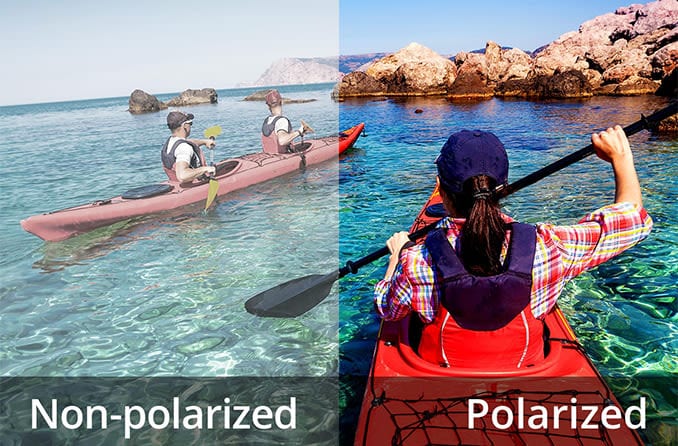
When choosing a new pair of sunglasses, one of the most common upgrades patients encounter is polarized lenses. While they typically come with a higher price tag than standard tinted lenses, many people wonder whether they truly provide enough benefits to justify the additional cost. We hear this question regularly from patients looking for comfortable, effective eye protection for everyday life.
The answer depends on your lifestyle and how you use your sunglasses. For many individuals, polarized lenses offer noticeable improvements in visual comfort, clarity, and overall eye health during outdoor activities. However, they are not the ideal solution for every situation. Understanding how polarized lenses work, their advantages, and their limitations can help you make an informed decision when selecting your next pair of sunglasses.
Understanding Polarized Lenses
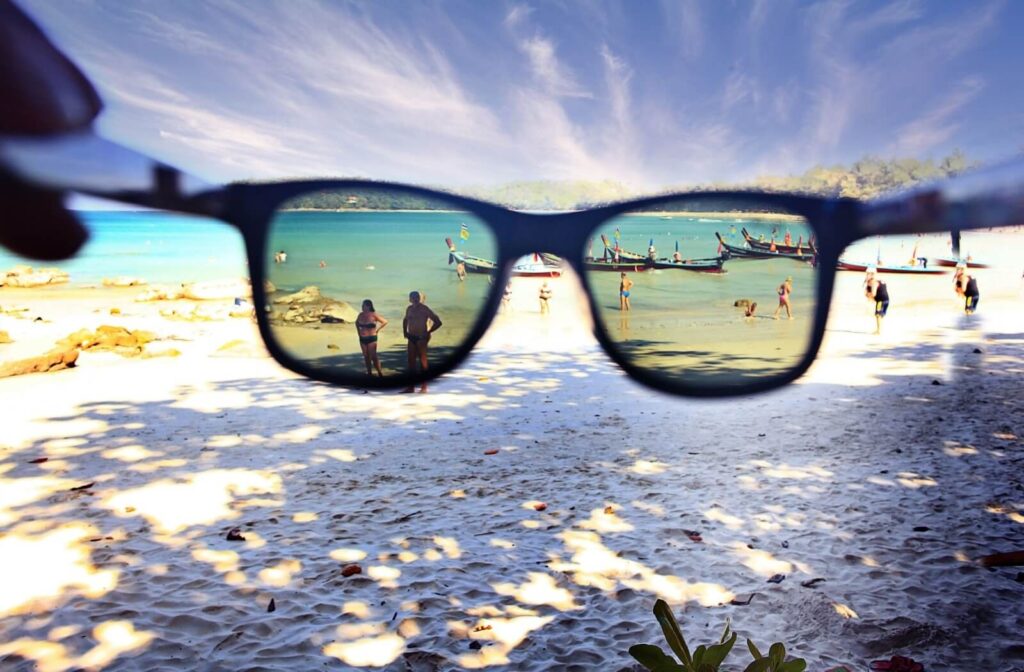
Polarized lenses are designed to reduce glare caused by sunlight reflecting off flat, horizontal surfaces such as roads, lakes, oceans, snow, and vehicle hoods. Unlike standard sunglasses, which simply reduce the overall amount of light entering your eyes, polarized lenses contain a specialized filter that blocks horizontally reflected light while allowing useful vertical light to pass through.
This technology significantly reduces the harsh reflections that often make it difficult to see comfortably in bright outdoor conditions. As a result, many people notice sharper vision, richer colors, and improved contrast almost immediately after wearing polarized sunglasses. Rather than simply making everything appear darker, polarized lenses improve the quality of the light reaching your eyes, allowing you to see more clearly.
Why Glare Matters
Glare is more than just an inconvenience, it can affect both comfort and safety. When sunlight reflects off smooth surfaces, it creates intense bright spots that force the eyes to work harder. This can lead to squinting, eye fatigue, headaches, and difficulty seeing important details.
Drivers frequently experience glare from wet roads, windshields, or the hoods of other vehicles. Similarly, individuals spending time near water or snow often encounter strong reflections that make outdoor activities less enjoyable. Over time, constantly adjusting to these bright conditions can place unnecessary strain on the eyes.
Reducing glare allows your eyes to function more efficiently, making it easier to focus and remain comfortable even during extended periods outdoors.
The Benefits of Polarized Lenses
One of the greatest advantages of polarized lenses is the improvement in comfort. By minimizing glare, your eyes no longer need to constantly compensate for bright reflections, resulting in less fatigue throughout the day. Many patients say that they experience less squinting and greater comfort while driving, walking, or participating in outdoor recreation.
Polarized lenses also improve visual clarity. Colors often appear more vivid, and contrast between objects becomes more noticeable. This enhanced clarity makes it easier to distinguish details in bright environments, whether you’re hiking a trail, relaxing at the beach, or simply enjoying a sunny afternoon.
For drivers, polarized lenses can make daytime travel more comfortable by reducing reflections from pavement, vehicles, and surrounding surfaces. While they do not eliminate all driving hazards, they help improve visibility under many bright conditions and reduce distractions caused by glare.
Outdoor enthusiasts often experience the greatest benefits. Anglers appreciate being able to see beneath the surface of the water more easily. Boaters enjoy improved visibility across reflective waves, while golfers, cyclists, and hikers often notice reduced eye strain and enhanced depth perception during their activities.
Polarization and UV Protection
One common misconception is that polarized lenses automatically provide UV protection. In reality, polarization and UV protection are two separate features.
Polarization reduces glare, while UV protection shields your eyes from the sun’s harmful ultraviolet rays. Long-term exposure to UV radiation has been linked with an increased risk of cataracts and other eye conditions. Therefore, when selecting sunglasses, it is important to choose lenses that offer both polarization and 100% UVA and UVB protection.
Quality sunglasses should provide comprehensive protection from ultraviolet light regardless of whether the lenses are polarized. Combining these two features offers the greatest level of comfort and protection for most patients.
Situations Where Polarized Lenses May Not Be Ideal
Although polarized lenses offer numerous advantages, they are not the best option in every circumstance.
One limitation is that polarized lenses can interfere with viewing certain digital displays. Screens found on vehicle dashboards, GPS units, smartphones, tablets, and ATMs may appear darker or display unusual rainbow-like patterns when viewed through polarized lenses. While many people adapt to this effect, it is worth considering if you rely heavily on electronic displays while outdoors.
Pilots may also choose non-polarized sunglasses because certain cockpit instruments and visual cues can become more difficult to interpret through polarized lenses. Similarly, some winter sports enthusiasts prefer non-polarized eyewear because reflections from icy patches may provide useful information about changing snow conditions. These situations are relatively specialized, but they demonstrate that the best lens choice depends on your specific activities and visual needs.
Are Polarized Lenses Worth the Investment?
For many patients, polarized lenses are well worth the additional cost. Although they generally cost more than standard sunglasses, the increased comfort and improved vision often justify the investment.
Individuals who drive frequently during daylight hours, spend time boating or fishing, enjoy outdoor sports, work outside, or simply have sensitive eyes often notice immediate benefits. Since a quality pair of sunglasses can last for several years with proper care, the long-term value of improved comfort and clearer vision can outweigh the initial expense.
However, the decision ultimately comes down to how you use your sunglasses. Someone who spends most of their time indoors may see fewer advantages than someone who enjoys an active outdoor lifestyle.
Prescription Polarized Sunglasses
Many patients are surprised to learn that polarized lenses are available with prescription eyewear. If you wear glasses for distance vision, prescription polarized sunglasses allow you to enjoy both sharp vision and glare reduction without relying on contact lenses or clip-on sunglasses.
Prescription polarized lenses are an excellent choice for patients who frequently drive, travel, play sports, or spend extended time outdoors. They combine vision correction, UV protection, and glare reduction into a single pair of customized eyewear, providing convenience and improved visual performance.
Who Benefits Most from Polarized Lenses?
Although almost anyone can appreciate clearer vision outdoors, polarized lenses are especially valuable for individuals who spend significant time in bright environments.
Drivers often notice less glare from wet pavement, windshields, and surrounding vehicles, making daytime travel more comfortable. Anglers benefit from being able to see beneath the water’s surface, while boaters experience improved visibility across reflective waves. Golfers, cyclists, hikers, runners, and beachgoers frequently report less eye fatigue after long periods outdoors.
Patients recovering from cataract surgery or those with increased sensitivity to bright light may also experience greater visual comfort with polarized lenses.
The best lens choice depends on more than just lifestyle. During a comprehensive eye examination, factors such as prescription changes, occupational demands, hobbies, and overall eye health are all considered before recommending eyewear that best meets a patient’s individual needs.
The Importance of Comprehensive Eye Exams
Even the best sunglasses cannot reveal what is happening inside the eye.
Many of the most common causes of vision loss, including glaucoma, diabetic retinopathy, and age-related macular degeneration; often develop gradually without causing pain or noticeable symptoms. By the time vision changes become apparent, permanent damage may have already occurred.
Routine comprehensive eye examinations are designed to detect these conditions long before they begin affecting eyesight. In addition to checking whether a prescription has changed, the examination evaluates the health of the retina, optic nerve, cornea, lens, and other important structures within the eye.
The eyes can also provide valuable insight into overall health. Changes observed during an eye exam may be among the earliest signs of diabetes, high blood pressure, elevated cholesterol, autoimmune disease, or certain neurological conditions. For this reason, comprehensive eye care is an important part of preventive healthcare, not simply a way to determine whether new glasses are needed.
Conclusion
Polarized lenses are one of the most valuable upgrades available for patients who spend significant time outdoors. By reducing glare, enhancing visual clarity, and improving overall comfort, they make activities such as driving, boating, fishing, hiking, and everyday outdoor tasks more enjoyable. While they are not the ideal choice for every situation, they offer meaningful benefits for most people seeking high-quality sun protection.
If you are considering new sunglasses, discussing your options with your optometrist is the best way to determine whether polarized lenses fit your individual needs. Our goal is to help every patient select eyewear that provides exceptional vision, superior comfort, and lasting protection, ensuring healthy eyesight for years to come. Schedule your appointment at 1 of our 4 conveniently located offices in San Jose, San Mateo, San Ramon, and Juneau.