

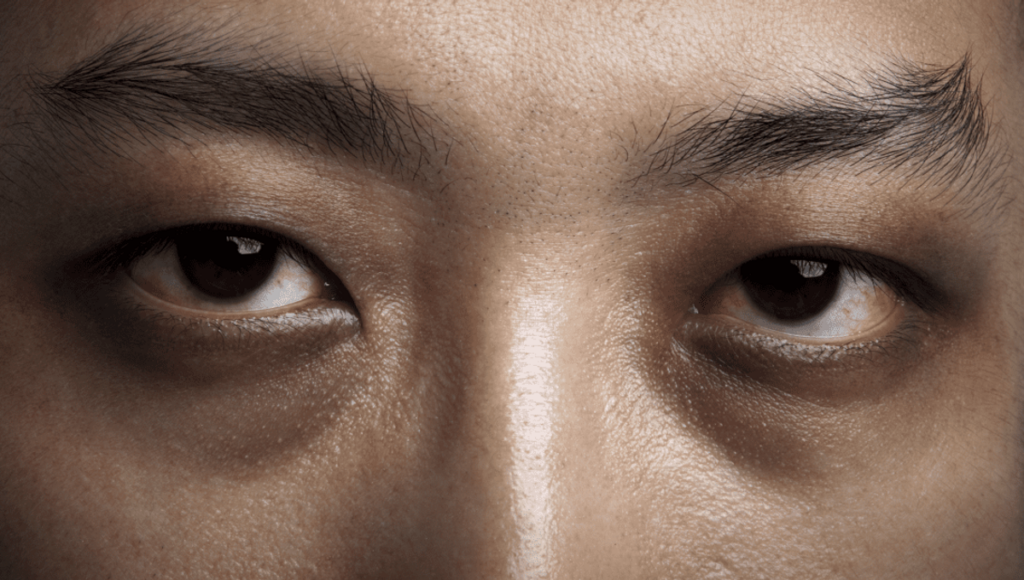
Vampires may be famous for staying up all night, but living like one isn’t exactly a recipe for healthy eyes! While missing a few hours of sleep might seem harmless, consistently getting inadequate rest can take a toll on your eyes and overall vision health. From bloodshot eyes and dark circles to dryness, irritation, and difficulty focusing, your eyes can reveal just how much sleep you’ve been missing.
Sleep plays an important role in allowing your body to recover, and your eyes are no exception. Whether you’re staying up late watching your favorite Halloween movies, scrolling through your phone, or simply struggling to get a good night’s rest, it’s worth understanding how sleep affects your eyes and why giving them adequate rest matters.
Let’s take a closer look at what happens to your eyes when you don’t get enough sleep and how you can keep them healthy, refreshed, and far from vampire-like!
Why Do Your Eyes Need Sleep?
Your eyes work hard throughout the day. From reading and driving to working on a computer and scrolling through your phone, they are constantly processing visual information. Although your eyes don’t completely shut down when you sleep, rest gives them an opportunity to recover from the demands of the day.
During sleep, your eyes benefit from reduced exposure to environmental irritants, such as dust, wind, and bright light. Your eyelids remain closed, helping protect the surface of your eyes and allowing your tear film to replenish and maintain moisture. Sleep also supports the body’s natural repair and recovery processes, including those that help maintain healthy eye tissues.
Most adults need approximately seven to nine hours of sleep each night. Children and teenagers generally need even more, depending on their age. When you consistently fall short of these recommendations, your eyes may begin showing signs of fatigue.
Ways Sleep Deprivation Can Affect Your Eyes
Not getting enough sleep doesn’t just leave you feeling groggy in the morning. It can also lead to several noticeable changes in your eyes.
1. Bloodshot and Red Eyes
Ever wake up after a restless night with eyes that look like they’ve been up watching horror movies all night? You’re not imagining things!
Sleep deprivation can contribute to red, bloodshot eyes. When you’re tired, the small blood vessels on the surface of your eyes may become more noticeable, creating a red or irritated appearance. Lack of sleep can also contribute to eye dryness, which may make redness more pronounced.
While occasional redness after a late night may improve with adequate rest, persistent redness shouldn’t be ignored. Redness accompanied by pain, light sensitivity, discharge, or changes in vision deserves prompt evaluation by an eye care professional.
2. Dry, Itchy, and Irritated Eyes
One of the most common ways insufficient sleep affects your eyes is by contributing to dry eye symptoms.
Your tear film is essential for keeping the surface of your eyes lubricated, comfortable, and protected. Poor sleep may interfere with normal tear production and tear film stability, making it harder for your eyes to maintain adequate moisture.
As a result, you may experience:
- A gritty or sandy sensation.
- Itchy, burning or irritated eyes.
- Excessive tearing.
- A feeling that something is stuck in your eye.
Interestingly, watery eyes can sometimes be a sign of dryness. When your eyes become irritated, they may produce reflex tears in an attempt to compensate for inadequate lubrication.
If these symptoms become frequent, an optometrist can evaluate your tear film and help determine whether dry eye disease or another underlying condition is contributing to your discomfort.
3. Blurry Vision and Difficulty Focusing
Have you ever tried reading an email or looking at your computer screen after a particularly short night of sleep, only to find that everything seems a little harder to focus on?
Sleep deprivation can affect your ability to maintain comfortable, consistent focus. Tired eyes may experience difficulty with visual concentration, and dry eye symptoms can cause vision to fluctuate or become temporarily blurry.
You might notice that:
- Words seem harder to keep in focus.
- Your eyes feel strained when reading.
- Switching between near and distant objects becomes uncomfortable.
- Your vision occasionally seems blurry throughout the day.
These symptoms can be especially frustrating for people who spend long hours working on computers or using digital devices.
However, blurry vision should never automatically be attributed to a lack of sleep. Changes in vision can also be associated with refractive errors, eye conditions, and other health concerns. If blurry vision persists or occurs suddenly, seek an appropriate eye care evaluation.
4. Eye Twitching and Muscle Fatigue
An annoying eyelid twitch can be one of the first signs that your body needs more rest.
Eyelid twitching, is a common and generally harmless condition involving involuntary contractions of the eyelid muscles. Fatigue and sleep deprivation are recognized triggers. Stress, caffeine, and eye strain can also contribute.
Although the twitching is usually temporary, it can be distracting and uncomfortable.
Getting adequate sleep, managing stress, reducing excessive caffeine consumption, and taking breaks from screens may help reduce occasional eyelid twitching.
If twitching persists for several weeks, causes your eyelid to close completely, spreads to other areas of your face, or occurs alongside other concerning symptoms, schedule an evaluation with an appropriate healthcare professional.
Can Too Much Screen Time Make Tired Eyes Worse?
If you’re staying up late watching scary movies, playing video games, or scrolling through social media, your digital habits may be contributing to your tired eyes.
Extended screen use can lead to digital eye strain, also known as computer vision syndrome. When concentrating on a screen, people tend to blink less frequently or incompletely. This can increase tear evaporation and contribute to dryness, irritation, and eye fatigue.
Using digital devices late at night can also interfere with your sleep schedule. The light emitted by screens, particularly when used close to bedtime, can affect your body’s natural sleep-wake cycle and make it harder to fall asleep.
To give your eyes a break:
- Follow the 20-20-20 rule: Every 20 minutes, look at something approximately 20 feet away for at least 20 seconds.
- Remember to blink fully and frequently when using digital devices.
- Adjust your screen brightness to a comfortable level.
- Keep screens at a comfortable viewing distance.
- Try limiting screen use before bedtime to help support a healthy sleep routine.
These small changes can help reduce digital eye strain and support better sleep habits.
Tips for Keeping Your Eyes Healthy and Well-Rested
You don’t need to live like a vampire to enjoy healthy eyes! A few simple lifestyle habits can make a difference in your daily eye comfort.
- Prioritize sleep. Aim for seven to nine hours of sleep each night if you’re an adult. Establishing a consistent bedtime and wake-up schedule can help support your body’s natural sleep cycle.
- Stay hydrated. Drinking enough water throughout the day supports overall health and helps your body maintain normal tear production.
- Take regular screen breaks. Give your eyes a chance to relax throughout the day, especially if you spend several hours working on a computer.
- Avoid rubbing your eyes. Rubbing can worsen irritation and potentially damage the delicate surface of your eyes.
- Keep up with routine eye exams. Even if your eyes feel perfectly fine, regular comprehensive eye exams are essential for monitoring your vision and identifying potential problems early.
Don’t Let Your Eye Health Become a Horror Story: Schedule Your Comprehensive Eye Exam
Getting enough sleep is an important part of maintaining healthy eyes, but it’s only one piece of the puzzle. Even if you follow healthy sleep habits and rarely experience eye discomfort, routine comprehensive eye exams remain essential.
A comprehensive eye exam does much more than determine whether you need glasses or contact lenses. Your optometrist evaluates multiple aspects of your vision and eye health, including visual acuity, eye coordination, focusing ability, and the health of important eye structures.
Depending on your individual needs, your exam may also include an evaluation of your retina, optic nerve, eye pressure, and other structures inside and around your eyes.
These evaluations can help identify early signs of eye conditions such as glaucoma, cataracts, macular degeneration, and diabetic eye disease. Many eye conditions develop gradually and may not cause noticeable symptoms in their early stages. That’s why waiting until something feels wrong isn’t always the best approach.
Routine eye exams also give your optometrist an opportunity to discuss symptoms such as persistent dryness, redness, blurry vision, or eye fatigue. If sleep deprivation or digital habits are contributing to your discomfort, your optometrist can recommend appropriate strategies or treatments based on your individual needs.
How often you should schedule an eye exam depends on your age, vision needs, medical history, and risk factors. Your optometrist can recommend an appropriate examination schedule.
Give Your Eyes the Rest They Deserve!
This Halloween season, don’t let your eyes turn into a frightening reminder of too many sleepless nights. Getting enough rest, practicing healthy screen habits, and paying attention to changes in your vision can go a long way toward supporting comfortable, healthy eyes.
And remember, even the most well-rested eyes need regular professional attention. Routine comprehensive eye exams help protect your vision and give you peace of mind that your eyes are getting the care they deserve.
Don’t wait until your eyes are screaming for help! Contact our office today to schedule your next comprehensive eye exam. After all, healthy vision is a treat worth protecting! Schedule your appointment at 1 of our 4 conveniently located offices in San Jose, San Mateo, San Ramon, and Juneau.