

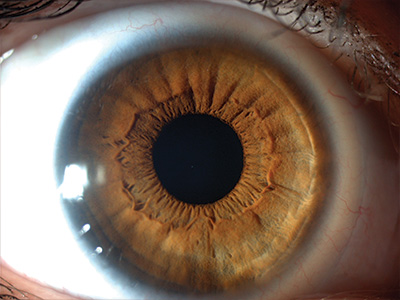
Many people believe that eye exams are only about updating glasses or contact lens prescriptions. However, comprehensive eye exams are also crucial for assessing eye health in addition to checking vision. Since the eyes contain some of the smallest and most delicate blood vessels in the entire body, changes in overall health can often be detected first by looking inside the eyes. As a result, this puts optometrists in a unique position as primary eye care providers to help patients stay healthy and identify any serious underlying conditions. Moreover, early detection can lead to faster treatment, improved outcomes, and prevention of long-term complications. Here are 10 systemic conditions that can be first diagnosed or suspected during a comprehensive eye exam.
1. Diabetes
One of the most common systemic diseases detected during an eye exam is diabetes. Elevated and fluctuating blood sugar levels can cause bleeding and fluid buildup in the tiny blood vessels of the retina. This is known as diabetic retinopathy. Undiagnosed or poorly controlled diabetes can then lead to permanent vision loss, nerve damage, and cardiovascular complications. Early diagnosis allows patients to start blood sugar management before serious complications occur.
Optometrists Can Observe:
- Retinal bleeding
- Fluid buildup in the retina
- Cotton wool spots (areas of reduced oxygen flow to the retina)
- Abnormal new blood vessel growth
Patients May Experience:
- Blurry vision
- Fluctuating vision
- Dark spots in vision
- Loss of vision
2. Hypertension (High Blood Pressure)
High blood pressure can affect the delicate blood vessels inside the eyes. During an eye exam, doctors may identify signs of hypertensive retinopathy. Detecting hypertension early can reduce the risk of stroke.
Optometrists Can Observe:
- Narrowed retinal arteries
- Retinal hemorrhages
- Swelling of the optic nerve
- Changes in blood vessel appearance
Patients May Experience:
- No symptoms
- Blurry vision
- Headaches
3. Hypercholesterolemia (High Cholesterol)
An eye exam may reveal signs of elevated cholesterol levels, especially when fatty deposits begin accumulating in blood vessels or around the eyes. However, eye findings can prompt optometrists to have patients seek further medical evaluation and cholesterol screening before major cardiovascular events occur. These events include stroke and heart attack.
Optometrists Can Observe:
- Cholesterol plaques in retinal arteries
- Corneal arcus (a gray or white ring around the cornea)
- Xanthelasma (yellowish cholesterol deposits around the eyelids)
Patients May Experience:
- No symptoms
- Loss of vision
4. Autoimmune Diseases
Several autoimmune disorders can first affect the eyes and surrounding tissues. In fact, inflammation in the eye may sometimes be the first sign of systemic autoimmune disease. These conditions include Rheumatoid arthritis, Lupus, Sjögren’s syndrome, and Ankylosing spondylitis. After detection, during an eye exam these findings then lead to referrals for rheumatologic evaluation.
Optometrists Can Observe:
- Uveitis (inflammation of the iris)
- Scleritis (inflammation of the white part of the eye)
- Severe dry eye disease
- Optic nerve inflammation
Patients May Experience:
- Dry eyes
- Redness
- Eye pain
- Light sensitivity
- Blurred vision
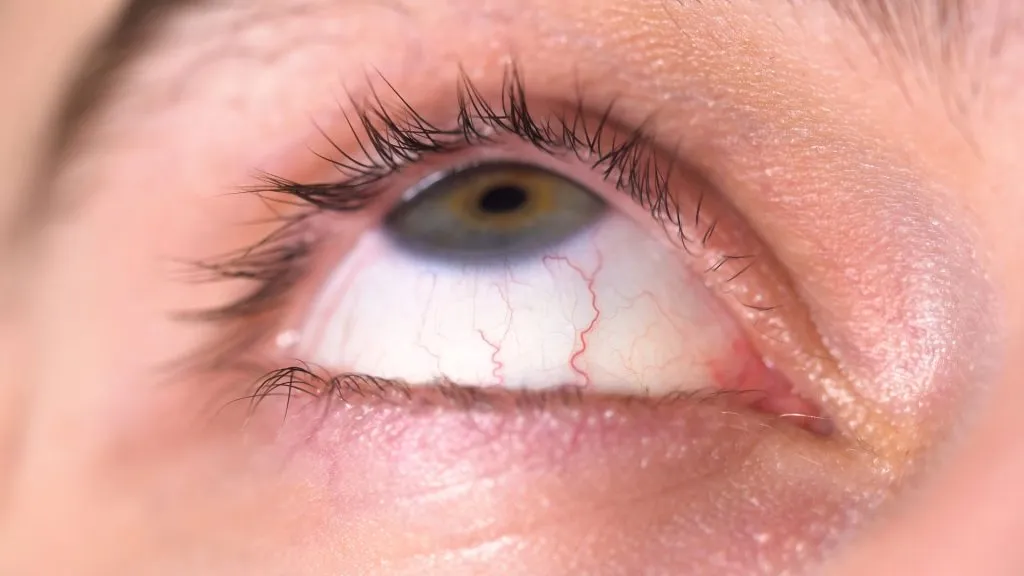
5. Thyroid Disease
Thyroid disorders, particularly Graves’ disease, commonly affect the eyes. In many cases, untreated thyroid eye disease can lead to vision complications. Detecting ocular changes early helps patients receive prompt endocrine evaluation and treatment.
Optometrists Can Observe:
- Proptosis (protruding eyes)
- Eyelid retraction (widened appearance of eyes)
- Dry eyes
- Restricted eye movements
Patients May Experience:
- Eye irritation
- Light sensitivity
- Excessive tearing
- Double vision
6. Multiple Sclerosis
Multiple sclerosis is a neurological condition that affects the brain and spinal cord. In some patients, eye symptoms are among the earliest warning signs. An eye doctor may detect optic nerve swelling or other abnormalities that suggest neurological disease. Early referral can speed up diagnosis as well as treatment of multiple sclerosis.
Optometrists Can Observe:
- Optic neuritis
Patients May Experience:
- Sudden vision loss
- Pain with eye movement
- Reduced color vision
- Blurred vision in one eye
7. Brain Tumors and Neurological Disorders
The eyes are closely connected to the brain through the optic nerves and visual pathways. As a result, certain neurological conditions can produce noticeable eye findings. Eye exams include testing of visual fields, pupils, and evaluation of the optic nerve. These evaluations can help identify potentially life-threatening neurological conditions such as brain tumors and increased intracranial pressure. Additionally, it can also identify aneurysms and signs of stroke.
Optometrists Can Observe:
- Swollen optic nerves
- Abnormal pupil responses
- Eye movement abnormalities
Patients May Experience:
- Double vision
- Visual field loss
- Headache
8. Sleep Apnea
Sleep apnea is a condition in which breathing repeatedly stops during sleep. In fact, many patients can remain undiagnosed for years but eye findings may provide important clues. When certain eye findings are combined with patient history, an eye doctor may recommend sleep apnea testing and further medical evaluation.
Optometrists Can Observe:
- Floppy eyelid syndrome
- Dry eye disease
- Glaucoma
- Non-arteritic anterior ischemic optic neuropathy (decreased blood flow to optic nerve)
Patients May Experience:
- Dry eyes
- Increased eyelid laxity
- Eye irritation
- Foreign body sensation
- Fatigue
9. Cancer
In some cases, cancers elsewhere in the body can spread to the eye or produce detectable eye-related symptoms. While eye findings alone do not confirm cancer, they may lead to critical diagnostic testing. Types of cancer that may affect the eyes include Leukemia, Lymphoma, and cancer metastases.
Optometrists Can Observe:
- Retinal hemorrhages
- Ocular tumors
- Optic nerve swelling
- Inflammatory blood vessel changes
Patients May Experience:
- Blurred vision
- Floaters
- Eye pain
- Visual field changes
10. Vitamin Deficiencies and Nutritional Disorders
Nutritional deficiencies can significantly affect vision in addition to eye health. In some cases, eye exams can help uncover underlying dietary deficiencies or malabsorption disorders that impact overall health and vision. For example, deficiencies that are commonly detected through eye exams include Vitamin A deficiency, Vitamin B12 deficiency, and Folate deficiency.
Optometrists Can Observe:
- Bitot spot (dry spot on white part of eye)
- Optic nerve damage
Patients May Experience:
- Dry eyes
- Eye fatigue
- Vision changes
Frequently Asked Questions (FAQ)
1) Will I always have vision symptoms if I have a systemic condition?
Not necessarily. Many systemic diseases develop gradually and may not cause noticeable symptoms early on. That is why regular comprehensive eye exams are important, even if your vision seems normal.
2) What happens if signs of systemic disease are found during my eye exam?
Your optometrist may recommend additional testing or refer you to your primary care doctor or specialist for further evaluation and treatment.
3) What symptoms should prompt an immediate eye exam?
You should schedule an urgent eye exam if you experience any of the following:
- Sudden vision loss
- Flashes or floaters
- Double vision
- Eye pain
- Sudden blurry vision
Final Thoughts
It is recommended to get a comprehensive eye exam every 1–2 years or as directed by your optometrist. Even if you have not noticed any changes in vision, it is still important to keep your eye exam appointment. This ensures that both your eye health and overall health are properly monitored.
In addition, if it has been more than a year since your last comprehensive eye exam or you are noticing changes, it is the perfect time to schedule an appointment.
Schedule your appointment at 1 of our 4 conveniently located offices in San Jose, San Mateo, San Ramon, and Juneau