

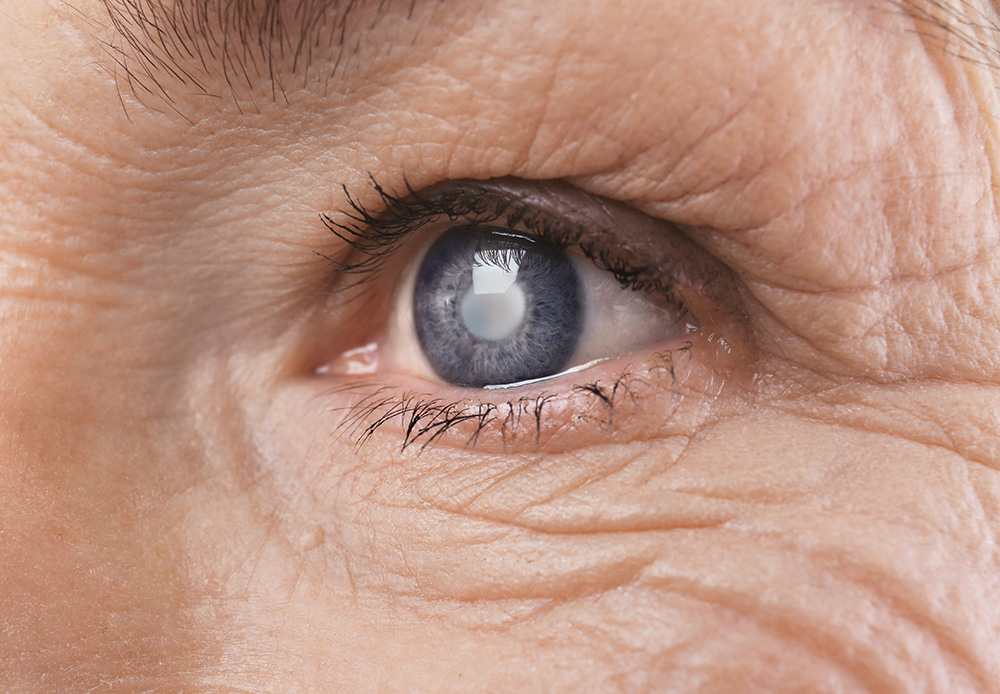
Your eyes may seem healthy, but that does not always mean they are. Some types of eye disease can grow without pain or clear signs. As a result, you may not know anything is wrong until your vision begins to change.
That is why routine eye exams matter. They help your eye doctor spot problems before you notice symptoms. In many cases, early care can help protect your sight.
What Is a Silent Eye Disease?
A silent eye disease is a condition that may not cause clear symptoms at first. You might see well, feel no pain, and go about your day as usual.
However, some eye diseases can still harm your eyes during this time. They may affect the optic nerve, retina, or other parts of your eye. These changes can be hard to notice on your own.
For example, you may not see a change in your vision until the disease has caused damage. Therefore, waiting for symptoms is not always safe.
Eye Disease: 3 Types That May Have Few Early Signs
Several eye diseases can develop without clear warning signs. Here are three common examples.
1. Glaucoma
Glaucoma is a group of eye diseases that can damage the optic nerve. This nerve sends visual signals from your eyes to your brain.
In many cases, glaucoma develops slowly. It often affects side vision first. Since you may still see clearly straight ahead, you might not notice a problem.
Over time, however, glaucoma can cause lasting vision loss. Lost vision from glaucoma cannot usually be restored. Early detection and treatment can help slow or prevent further damage.
Your eye doctor can check for signs of glaucoma during a comprehensive eye exam. This may include measuring eye pressure and examining the optic nerve.
2. Diabetic Eye Disease
Diabetes can affect the small blood vessels in your retina. The retina is the light-sensitive tissue at the back of your eye. It helps you see shapes, colors, and details.
One common condition is diabetic retinopathy. It occurs when high blood sugar damages these blood vessels. At first, you may have no pain or changes in your sight.
As the eye disease gets worse, you may notice blurry vision, dark spots, or trouble seeing. However, waiting for these signs can put your vision at risk.
People with diabetes need regular, dilated eye exams. These exams help your eye doctor look for damage before you notice a change. Keeping blood sugar, blood pressure, and cholesterol under control can also help protect your eyes.
3. Age-Related Macular Degeneration
Age-related macular degeneration, also called AMD, affects the macula. This is the part of the retina that helps you see fine details.
AMD can make it harder to read, drive, or recognize faces. Early AMD may cause few or no symptoms. You may not notice a change until the condition starts to affect your central vision.
There are two main types of AMD: dry and wet. Dry AMD is more common and often develops slowly. Wet AMD can cause faster vision loss and needs prompt care.
Routine eye exams can help detect signs of AMD. Your eye doctor may also use retinal imaging to look for changes at the back of your eye.
Other Eye Diseases Can Go Unnoticed
Glaucoma, diabetic retinopathy, and AMD are not the only concerns. Other eye conditions may also develop with few early signs.
For example, cataracts can grow slowly over time. You may first notice glare, faded colors, or trouble seeing at night. Some people may not realize how much their vision has changed until an eye exam.
Retinal diseases can also affect vision before symptoms become clear. In some cases, changes in the retina may need close monitoring or treatment.
In addition, high blood pressure and other health problems can affect the blood vessels in your eyes. An eye exam may reveal signs of these issues. Your eye doctor can then recommend that you follow up with your medical doctor.
Why Routine Comprehensive Eye Exams Matter
A quick vision check does not tell you everything about your eye health. It may show how well you see, but it may not detect every eye disease.
A comprehensive eye exam looks at more than your glasses prescription. Your eye doctor checks your vision and examines the health of your eyes.
Depending on your needs, the exam may include:
- Eye pressure testing: This helps assess your risk for glaucoma.
- Optic nerve checks: Your doctor looks for signs of nerve damage.
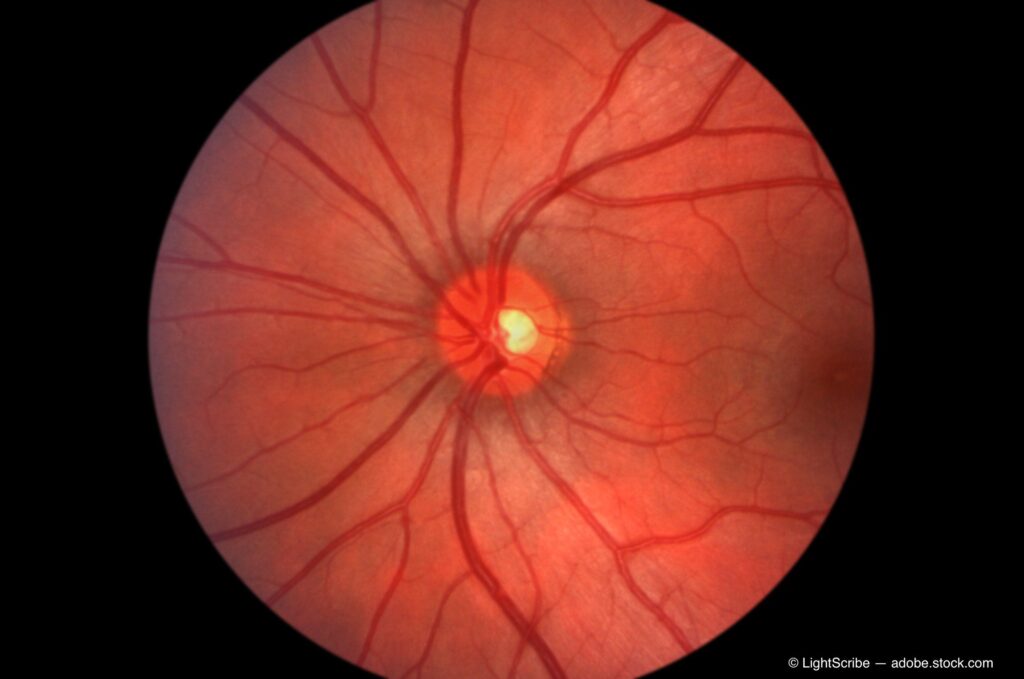
- Retinal exams: These help reveal changes at the back of your eye.
- Retinal imaging: Photos or scans can help your doctor spot and track changes.
- Pupil dilation: Eye drops widen your pupils so your doctor can see more of the retina and optic nerve.
Together, these tests give your doctor a better view of your eye health. They can also help find problems before you notice changes in your vision.
How Often Do You Need a Comprehensive Eye Exam?
The right schedule depends on your age, health, family history, and risk of eye disease.
For example, people with diabetes may need a dilated eye exam at least once a year, or more often if advised by their eye doctor. People with a family history of glaucoma may also need closer monitoring.
Even if you see well, do not skip routine exams. Your eye doctor can help you decide how often to return based on your needs.
When Should You See an Eye Doctor?
Do not wait for blurry vision before booking an eye exam. Some eye diseases cause damage before you notice a problem.
However, certain symptoms need urgent care. Seek immediate medical attention for sudden vision loss, a sudden increase in floaters, flashes of light, a dark curtain across your vision, or severe eye pain.
These signs may point to a serious eye problem. Prompt care can make a difference.
Protect Your Vision Before Symptoms Start
You cannot always tell if your eyes are healthy by how they feel. Some eye diseases develop quietly and cause damage before you notice a change.
Fortunately, routine comprehensive eye exams can help find these problems early. They also give your eye doctor a chance to track changes and recommend care when needed.
Do not wait for symptoms to take your eye health seriously. Schedule a comprehensive eye exam at Optical Illusions or Lifetime Eyecare to help protect your vision for years to come.
Schedule your appointment at 1 of our 4 conveniently located offices in San Jose, San Mateo, San Ramon, and Juneau.