

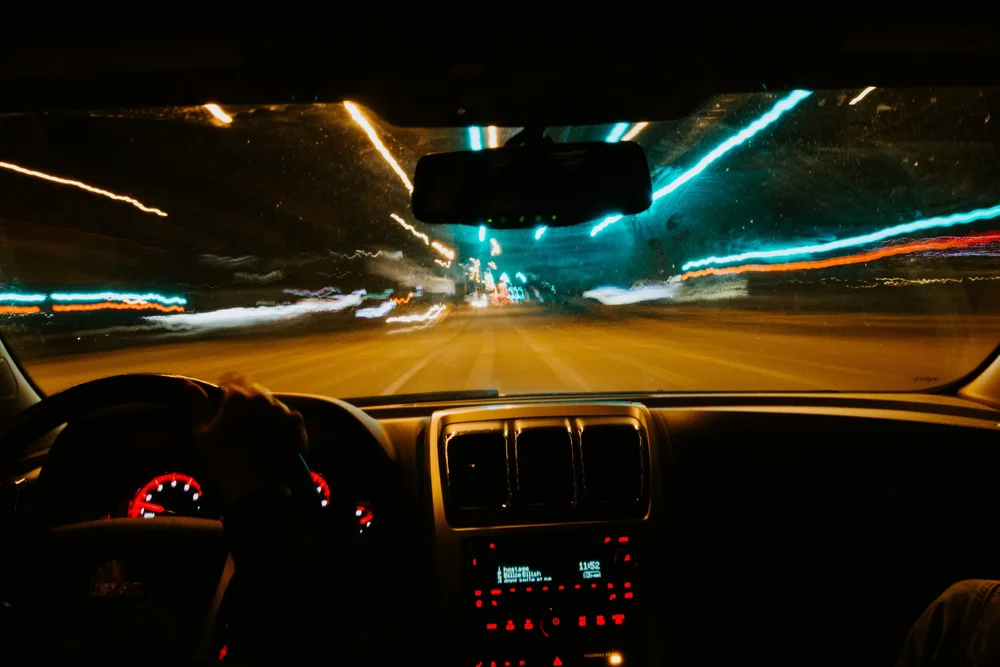
For many people, driving at night can feel far more stressful than driving during the day. Dim lighting, glare from oncoming headlights, reduced contrast, and unexpected hazards can make even familiar roads seem more challenging. While some difficulty seeing at night is a normal part of aging, significant problems with night vision may indicate an underlying eye condition that deserves professional attention.
If you’ve found yourself avoiding nighttime driving, squinting to see road signs, or feeling anxious behind the wheel after sunset, you’re not alone. Millions of Americans experience some degree of reduced night vision, and many don’t realize that routine comprehensive eye exams can identify; and often help address the underlying causes.
At our optometry office, we believe healthy vision is essential for your safety and confidence on the road. Here’s what you should know about night vision, the risks associated with poor nighttime eyesight, and why regular comprehensive eye examinations are one of the best ways to protect both your vision and your overall well-being.
Why Is Driving at Night More Difficult?
Even individuals with excellent daytime vision often notice that driving becomes more demanding after dark. That’s because your eyes must work much harder in low-light conditions.
During the day, sunlight provides abundant illumination, allowing your eyes to detect fine details, colors, pedestrians, road markings, and traffic signals with relative ease. At night, however, your pupils dilate to allow more light into the eye. Although this helps you see in darker environments, it can also reduce depth of focus and increase the effects of glare and visual distortions.
In addition, nighttime driving requires your eyes to constantly adjust between darkness and bright artificial lights, such as:
- Oncoming headlights
- LED streetlights
- Brake lights
- Reflective road signs
- Construction lighting
These rapid adjustments can become increasingly difficult as we age or if an eye condition is affecting our vision.
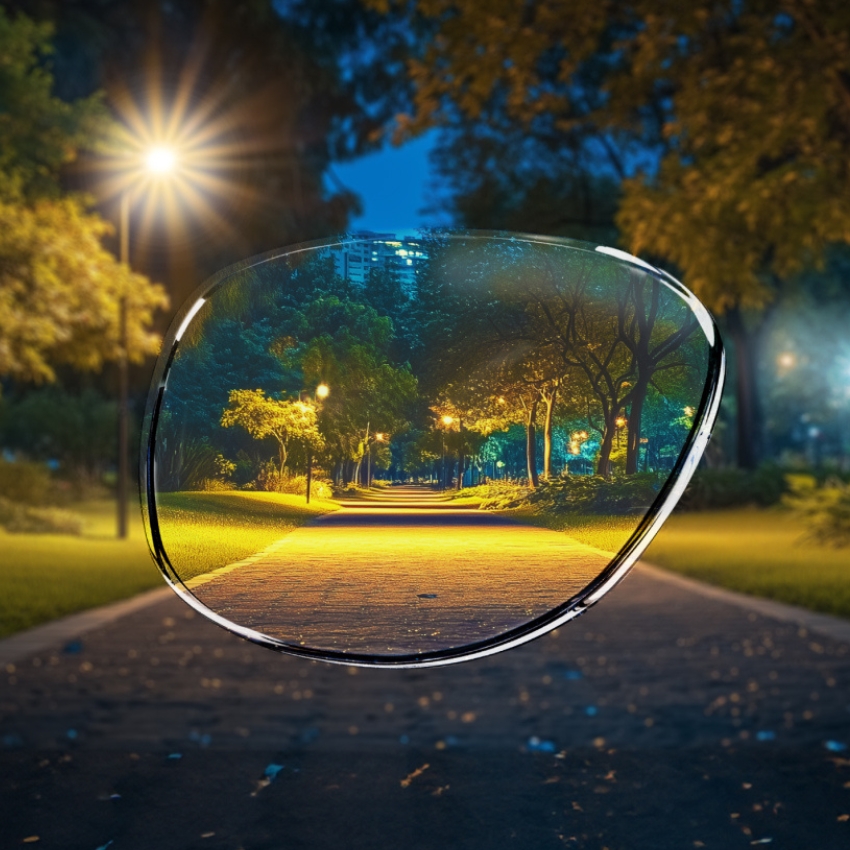
Common Signs of Poor Night Vision
Many people assume declining night vision is simply “part of getting older,” but certain symptoms should never be ignored.
Common signs include:
- Difficulty seeing road signs after dark
- Blurred vision while driving at night
- Halos surrounding headlights
- Increased sensitivity to glare
- Trouble judging distance
- Difficulty identifying pedestrians or cyclists
- Needing brighter light to see comfortably
- Slower adaptation when moving from bright to dark environments
If you experience one or more of these symptoms regularly, scheduling a comprehensive eye examination is an important next step.
The Dangers of Driving with Poor Night Vision
Reduced nighttime vision isn’t simply an inconvenience, it can become a significant safety concern.
Driving safely depends on quickly recognizing hazards, accurately judging distances, and responding to changing road conditions. Poor night vision can delay reaction times and make it more difficult to detect:
- Animals crossing the roadway
- Pedestrians wearing dark clothing
- Bicyclists
- Road debris
- Construction zones
- Curves in unfamiliar roads
- Poorly marked intersections
Even a fraction of a second in delayed visual recognition can make a meaningful difference when traveling at highway speeds.
Many drivers who struggle with nighttime vision begin avoiding driving after sunset altogether, limiting social activities, work schedules, and independence.
What Causes Poor Night Vision?
Several factors can contribute to reduced vision after dark. Some are relatively minor, while others may require prompt diagnosis and treatment.
Uncorrected Refractive Errors
Even a small change in your prescription can become much more noticeable at night. Mild nearsightedness, farsightedness, or astigmatism can cause headlights to appear blurry or produce halos and starbursts.
An updated glasses or contact lens prescription often provides significant improvement.
Cataracts
One of the most common causes of nighttime driving difficulty is cataracts.
As the natural lens inside the eye becomes cloudy, incoming light scatters before reaching the retina. This scattering creates glare, halos around lights, reduced contrast, and blurry vision, particularly after sunset.
Many patients notice nighttime driving becomes difficult long before cataracts significantly affect daytime vision.
Dry Eye Disease
Healthy tears create a smooth optical surface over the cornea. When the eyes become dry, vision may fluctuate, especially during long drives or extended periods of concentration.
Dry eye can also increase sensitivity to glare from headlights.
Glaucoma
Glaucoma damages the optic nerve and may gradually reduce peripheral vision. Because changes often occur slowly and without pain, many individuals don’t realize their vision has changed until significant loss has occurred.
Routine eye exams are critical because glaucoma frequently develops without noticeable symptoms during its earliest stages.
Retinal Conditions
The retina contains specialized cells responsible for seeing in low light. Certain retinal diseases can interfere with these cells, making nighttime vision particularly challenging.
Early detection often improves treatment options and helps preserve vision.
Aging and Night Vision
It’s natural for night vision to change with age.
As we get older:
- Pupils become smaller.
- The eye’s lens becomes less transparent.
- Contrast sensitivity decreases.
- Recovery from bright lights slows.
- Tear production may decline.
While these age-related changes cannot always be prevented, regular eye care helps distinguish normal aging from medical conditions requiring treatment.
How Comprehensive Eye Exams Help
A comprehensive eye examination is much more than reading letters on an eye chart.
During your visit, your optometrist evaluates the overall health of your eyes and visual system using advanced diagnostic technology and clinical testing.
Your examination may include:
- Visual acuity testing
- Refraction to determine your prescription
- Eye pressure measurement
- Evaluation of eye muscle function
- Assessment of pupil responses
- Examination of the retina and optic nerve
- Cataract evaluation
- Screening for glaucoma
- Assessment of tear film quality and dry eye symptoms
These evaluations allow your doctor to identify issues that may be affecting your nighttime vision long before they become serious.
The Right Eyewear Can Make a Difference
For many patients, updated prescription lenses significantly improve nighttime driving.
Depending on your individual needs, your optometrist may recommend:
- Updated prescription glasses
- Anti-reflective (AR) lens coatings
- High-definition digital lenses
- High-index lenses for stronger prescriptions
- Specialized driving lenses
- Proper contact lens fitting
Anti-reflective coatings are particularly beneficial because they reduce distracting reflections from headlights and streetlights while improving contrast and overall clarity.
It’s important to note that while some over-the-counter products claim to improve night driving, they may not provide meaningful benefits and can sometimes reduce the amount of light reaching your eyes. Your eye care professional can recommend solutions that are appropriate for your specific vision needs.
Tips for Safer Night Driving
Although healthy eyes are your best defense, a few simple habits can improve nighttime driving safety.
- Keep your windshield clean, inside and out.
- Clean your eyeglass lenses regularly.
- Reduce dashboard brightness to minimize glare.
- Avoid looking directly into oncoming headlights.
- Increase your following distance.
- Drive at speeds appropriate for visibility conditions.
- Keep your headlights properly aligned and clean.
- Replace worn windshield wipers to improve visibility in rain.
If you notice persistent difficulty seeing at night despite following these recommendations, it’s time to schedule an eye examination.
Don’t Wait Until Night Driving Becomes a Problem
Vision changes often occur gradually, making them easy to overlook. Many people adapt without realizing how much their eyesight has changed until they receive an updated prescription or treatment for an underlying eye condition.
Routine comprehensive eye exams can detect vision problems, monitor age-related changes, and identify eye diseases before symptoms become severe. Early diagnosis often leads to better treatment outcomes and helps preserve healthy vision for years to come.
Protect Your Vision and Your Safety
Driving at night places unique demands on your eyes. If glare has become overwhelming, road signs seem harder to read, or nighttime driving no longer feels as comfortable as it once did, don’t assume it’s simply something you have to live with.
A comprehensive eye exam can uncover the cause of your symptoms and help determine the best solution, whether that’s an updated prescription, treatment for an eye condition, or recommendations for lenses designed to improve nighttime visibility.
Your eyesight is one of your most valuable assets, especially when you’re behind the wheel. By scheduling routine comprehensive eye exams and addressing vision changes early, you can help keep yourself, your passengers, and everyone else on the road safer.
If it’s been more than a year since your last eye exam, or if you’ve noticed increasing difficulty driving after dark, we invite you to schedule an appointment with our office. Our experienced team is committed to helping you enjoy clearer vision, greater confidence, and safer driving, day and night. Schedule your appointment at 1 of our 4 conveniently located offices in San Jose, San Mateo, San Ramon, and Juneau.