

Medically reviewed by Dr. William To, OD.
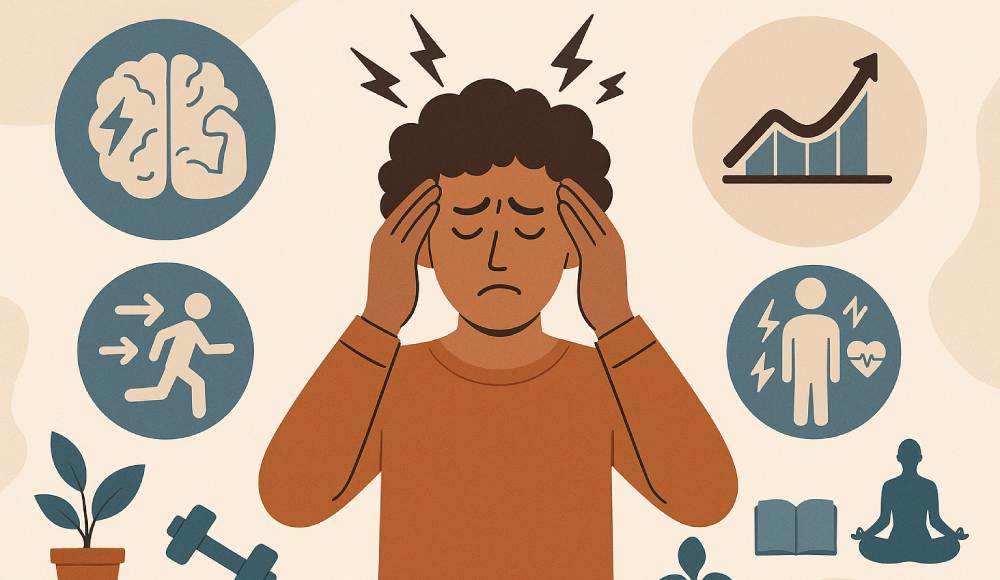
Stress has become so common that many people wear it like a badge of honor. Busy schedules, demanding careers, financial pressures, family responsibilities, and constant digital connectivity have created a world where feeling overwhelmed often seems normal. But while you may notice stress affecting your sleep, mood, or energy levels, one area that’s frequently overlooked is your vision.
Your eyes are remarkably sensitive to changes occurring throughout your body. When you’re under prolonged physical or emotional stress, your nervous system, hormones, blood circulation, and immune system all respond. Those same changes can influence how your eyes function, how comfortable they feel, and even how well you see.
Many people are surprised to learn that stress can contribute to blurry vision, eye strain, twitching eyelids, dry eyes, headaches, light sensitivity, and even worsen existing eye conditions. While stress itself may not directly cause permanent vision loss in most people, it can significantly impact your visual comfort, reduce productivity, and make underlying eye diseases more difficult to manage.
Understanding the relationship between stress and eye health is one of the first steps toward protecting your vision. Equally important is recognizing when vision changes deserve professional evaluation rather than being dismissed as “just stress.”
How Stress Affects the Body
Stress activates your body’s “fight-or-flight” response, a survival mechanism designed to help you react quickly to danger.
When stress occurs, your body releases hormones including:
- Cortisol
- Adrenaline
- Norepinephrine
These hormones temporarily increase your:
- Heart rate
- Blood pressure
- Blood sugar
- Muscle tension
- Alertness
While this response is helpful during short-term emergencies, chronic stress keeps these hormones elevated far longer than intended.
Over weeks or months, prolonged stress can affect nearly every organ system, including your cardiovascular system, immune system, digestive system, nervous system, and your eyes.
The Connection Between Stress and Vision
Your eyes depend on healthy blood flow, stable nerve function, balanced tear production, and proper muscle coordination.
Stress interferes with many of these systems simultaneously.
Some people experience temporary vision changes during stressful situations, while others develop ongoing symptoms that persist until stress levels improve.
Vision problems linked to stress are often subtle at first but can gradually become more noticeable.
Common Vision Problems Caused by Stress
Blurred Vision
One of the most common complaints associated with stress is temporary blurry vision.
Elevated adrenaline can affect focusing ability by altering how the muscles inside the eye work. At the same time, stress may reduce blinking frequency and increase muscle tension around the face and eyes.
Many people notice blurry vision after:
- Long workdays
- Emotional events
- Lack of sleep
- Extended computer use
- High-pressure situations
Although stress-related blurry vision often improves once the body relaxes, persistent blurred vision should never be ignored because it may indicate an underlying eye condition requiring treatment.
Eye Strain
Stress often causes people to unconsciously tense the muscles around their eyes, forehead, jaw, neck, and shoulders.
This muscle tension contributes to digital eye strain, making reading or computer work feel increasingly uncomfortable.
Symptoms include:
- Aching eyes
- Difficulty focusing
- Headaches
- Burning eyes
- Fatigue
If you already spend hours looking at digital screens, stress can significantly magnify these symptoms.
Eye Twitching
An eyelid twitch, known medically as myokymia, is another common symptom associated with stress.
While usually harmless, these involuntary muscle contractions can become frustrating when they occur repeatedly.
Stress frequently combines with:
- Fatigue
- Excess caffeine
- Poor sleep
- Eye strain
Together, these factors increase the likelihood of eyelid twitching.
Fortunately, most cases resolve as stress levels decrease.
Dry Eye Disease
Stress may also contribute to dry eye symptoms.
Research suggests chronic stress can influence tear production and increase inflammation throughout the body.
Stress may cause:
- Reduced blinking
- Poor tear quality
- Faster tear evaporation
- Increased eye irritation
Dry eye symptoms include:
- Burning
- Stinging
- Redness
- Foreign body sensation
- Fluctuating vision
People who work long hours on computers often experience both stress and dry eye simultaneously.
Light Sensitivity
Stress can increase sensitivity to bright lights.
Individuals experiencing migraines, anxiety disorders, or prolonged stress frequently report discomfort when exposed to sunlight, fluorescent lighting, or digital screens.
This sensitivity may also make headaches more severe.
Headaches and Eye Fatigue
Stress headaches often originate from muscle tension around the eyes and forehead.
These headaches frequently occur after:
- Computer work
- Reading
- Driving
- Concentrating for long periods
An outdated eyeglass prescription can make stress headaches even worse because your eyes must work harder to focus.
Double Vision
Although less common, severe stress may contribute to temporary double vision by affecting eye muscle coordination.
Double vision should never be assumed to be stress-related.
It always requires prompt evaluation because neurological conditions can produce similar symptoms.

Can Stress Cause Permanent Vision Loss?
Most stress-related vision changes are temporary.
However, chronic stress may contribute to conditions that threaten long-term eye health.
Long-term stress has been associated with:
- Increased inflammation
- Elevated blood pressure
- Poor blood sugar control
- Sleep disorders
- Cardiovascular disease
These health problems increase the risk of serious eye diseases over time.
Stress May Worsen Existing Eye Diseases
Stress doesn’t always create new eye problems.
Instead, it often worsens existing conditions.
People diagnosed with the following conditions may notice increased symptoms during stressful periods:
Dry Eye Disease
Inflammation and hormonal changes may make symptoms more severe.
Glaucoma
Although stress does not directly cause glaucoma, elevated stress hormones and blood pressure fluctuations may influence intraocular pressure in some individuals.
Routine monitoring remains essential.
Diabetic Eye Disease
Stress can interfere with blood sugar management.
Poor glucose control increases the risk of diabetic retinopathy progression.
Age-Related Macular Degeneration
While stress is not considered a direct cause, chronic inflammation and vascular health may influence disease progression.
Stress, Sleep, and Vision
Stress and poor sleep often occur together.
Unfortunately, insufficient sleep affects the eyes in several ways.
Lack of sleep may cause:
- Dry eyes
- Red eyes
- Eye fatigue
- Blurred vision
- Increased light sensitivity
- Difficulty concentrating
Healthy sleep allows your eyes to recover from daily visual demands.
Without adequate rest, symptoms often worsen.
The Digital Stress Cycle
Today’s technology has created a perfect storm.
Many people spend eight to twelve hours daily looking at:
- Computers
- Smartphones
- Tablets
- Televisions
When combined with stressful work environments, prolonged screen exposure places tremendous demands on your visual system.
People blink approximately 50% less while using digital devices.
Reduced blinking contributes directly to dry eyes and eye fatigue.
Following the 20-20-20 rule can help.
Every 20 minutes:
- Look 20 feet away
- For at least 20 seconds
This simple habit allows your focusing muscles to relax.
Stress Can Affect Children’s Vision Too
Children experience stress just like adults.
Academic pressure, sports, social media, family changes, and excessive screen time can all contribute.
Signs of stress-related vision problems in children include:
- Frequent eye rubbing
- Headaches
- Complaints of blurry vision
- Difficulty concentrating
- Squinting
- Avoiding reading
Comprehensive pediatric eye exams help determine whether symptoms stem from vision problems, stress, or both.
Managing Stress for Better Eye Health
Reducing stress benefits your entire body, including your eyes.
Healthy habits include:
Exercise Regularly
Physical activity lowers stress hormones while improving circulation throughout the body, including the eyes.
Prioritize Sleep
Aim for seven to nine hours of quality sleep each night.
Stay Hydrated
Proper hydration supports healthy tear production.
Eat Eye-Healthy Foods
Focus on foods rich in:
- Omega-3 fatty acids
- Vitamin A
- Vitamin C
- Vitamin E
- Zinc
- Lutein
- Zeaxanthin
Limit Excessive Caffeine
Too much caffeine may contribute to eyelid twitching and worsen anxiety in some individuals.
Practice Relaxation Techniques
Consider:
- Deep breathing
- Meditation
- Yoga
- Walking outdoors
- Mindfulness exercises
Reducing overall stress often improves visual comfort.
When Should You See an Eye Doctor?
Although stress can explain many temporary vision symptoms, never assume stress is the only cause.
Schedule an eye exam promptly if you experience:
- Persistent blurry vision
- Sudden vision loss
- Flashes of light
- New floaters
- Double vision
- Severe eye pain
- Persistent headaches
- Eye redness that doesn’t improve
Many serious eye diseases develop gradually without noticeable symptoms.
Routine comprehensive eye exams help detect problems before permanent vision loss occurs.
Why Regular Eye Exams Matter
Your eyes provide valuable insight into your overall health.
During a comprehensive eye exam, your optometrist evaluates much more than your vision. They assess the health of your retina, optic nerve, eye muscles, tear film, and blood vessels while screening for signs of glaucoma, cataracts, macular degeneration, diabetes, hypertension, and other systemic conditions.
If stress is contributing to your symptoms, your eye doctor can determine whether your vision changes are temporary or whether another condition is responsible. They can also recommend treatments to relieve dry eye, update your prescription if needed, and offer strategies to reduce digital eye strain and visual fatigue.
Even if your symptoms seem minor, early detection remains one of the most effective ways to protect your long-term eye health. Regular eye exams provide peace of mind and ensure that any changes in your vision are addressed before they become more serious.
Protect Your Vision Before Stress Takes Its Toll
Stress is an unavoidable part of life, but its effects on your vision don’t have to be. Paying attention to symptoms like blurry vision, dry eyes, headaches, eye twitching, or increased eye strain can help you recognize when your eyes need attention. Managing stress through healthy lifestyle habits, taking regular breaks from digital screens, getting enough sleep, and maintaining routine eye care can significantly improve both your visual comfort and your overall well-being.
Protect Your Vision and Enhance Your Look with Optical Illusions
Get an eye exam with our Board-Certified Optometrists who specialize in helping patients find the right contact lenses, eyeglasses, and personalized vision solutions for their lifestyle and prescription needs. Whether stress has left your eyes feeling fatigued, dry, or strained, our team is here to help you see clearly and comfortably again.
At Optical Illusions: An Optometric Practice, we believe everyone deserves exceptional vision and lifelong eye health. Our comprehensive eye exams evaluate far more than your prescription. We screen for ocular disease, assess the effects that stress, digital eye strain, and other lifestyle factors may have on your vision, and use advanced diagnostic technology to detect potential problems early. Every patient receives a customized care plan designed to protect their eyesight today and for years to come.
If you’ve been experiencing blurry vision, eye fatigue, headaches, or other changes that may be related to stress, don’t wait for symptoms to worsen. Schedule your comprehensive eye exam with Optical Illusions today and give your eyes the expert care they deserve.
Schedule your appointment at 1 of our 4 conveniently located offices in San Jose, San Mateo, San Ramon, and Juneau.