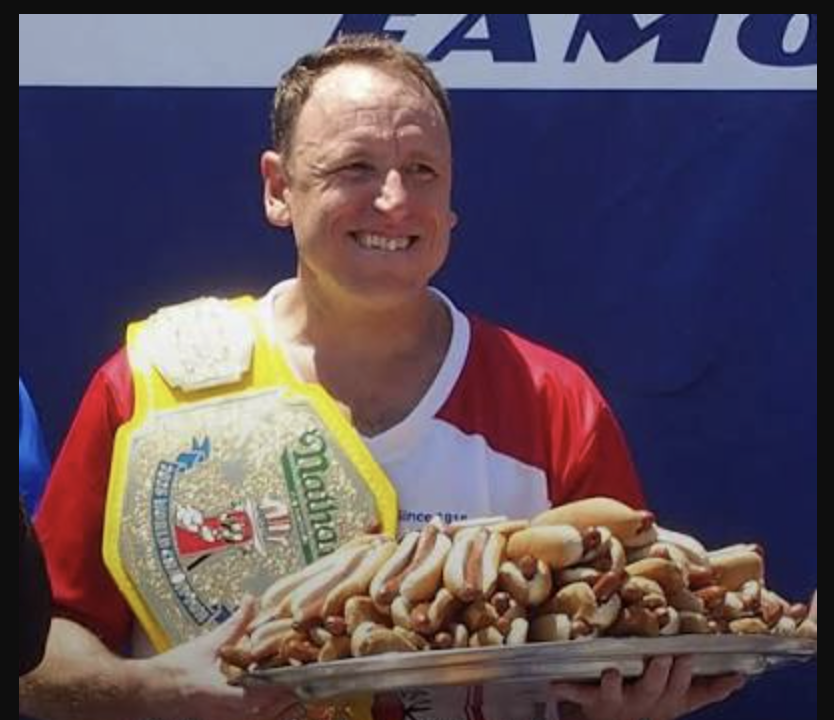
Every Fourth of July, millions of people tune in to watch one of America’s most iconic competitions: the Nathan’s Famous Hot Dog Eating Contest. Crowds cheer as elite competitive eaters consume dozens of hot dogs in just minutes, creating a spectacle that is equal parts entertainment, athletic competition, and culinary curiosity. However there is a danger lurking in all of those hot dogs: Sodium.
While most people watch in amazement, few stop to think about what those towering piles of hot dogs represent from a health perspective. Each hot dog contains significant amounts of sodium, and competitors may consume thousands of milligrams of salt in less than ten minutes. Although this extreme event is unlike everyday eating habits, it serves as a powerful reminder of how excessive sodium intake can affect nearly every part of the body, including your eyes.
Your vision depends on healthy blood vessels, proper fluid balance, and adequate circulation. Excess sodium has the potential to disrupt all three. Over time, diets consistently high in salt may contribute to conditions that can threaten both vision and overall eye health.
Let’s take a closer look at why sodium matters, what happens inside your eyes when salt intake becomes excessive, and what you can do to help protect your eyesight.
What Is the Nathan’s Famous Hot Dog Eating Contest?
The Nathan’s Famous Hot Dog Eating Contest has become one of America’s most recognizable Independence Day traditions. Held annually on Coney Island, New York, the contest attracts elite competitive eaters from around the world who compete to eat as many hot dogs and buns as possible within a set time limit.
The event has transformed from a local attraction into an internationally televised competition featuring world-record performances and dedicated athletes who train specifically for eating contests.
Although these competitors undergo unique preparation and recovery routines, their eating habits during competition are far removed from healthy nutritional recommendations. One of the biggest concerns is sodium.
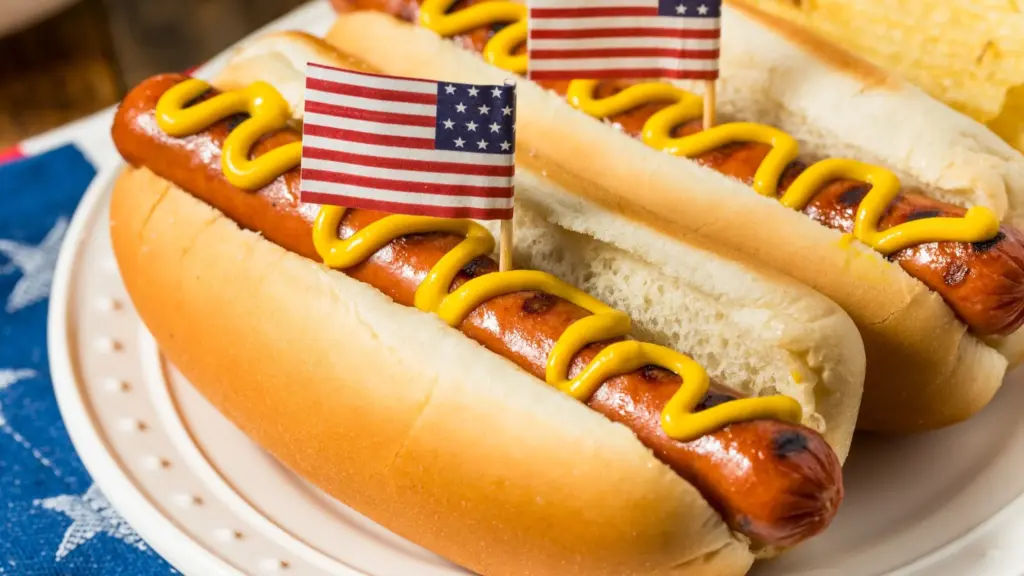
Just How Much Sodium Is In A Hot Dog?
Most standard hot dogs contain approximately:
- 500 to 700 mg of sodium
- Bun: an additional 150 to 250 mg
- Condiments such as mustard, ketchup, relish, or sauerkraut can add even more sodium.
That means a single prepared hot dog can easily contain 700 to over 1,000 mg of sodium.
For perspective:
The American Heart Association recommends no more than 2,300 mg of sodium per day, with an ideal target of about 1,500 mg daily for most adults.
Someone eating only three loaded hot dogs may already exceed the ideal daily sodium recommendation.
Competitive eaters may consume dozens of hot dogs, resulting in sodium intake that is many times higher than recommended in only a few minutes.
While this is an extreme example, many Americans unknowingly consume excessive sodium every day through processed foods, restaurant meals, frozen dinners, canned soups, snacks, and fast food.
Why Your Eyes Care About Sodium
Many people associate excess sodium with high blood pressure or heart disease, but fewer realize that eye health is closely connected to cardiovascular health.
The eye contains an intricate network of tiny blood vessels responsible for delivering oxygen and nutrients to delicate tissues such as the retina and optic nerve.
When sodium intake remains consistently high, several problems may develop.
Elevated Blood Pressure Can Damage Eye Blood Vessels
Excess sodium contributes to elevated blood pressure in many individuals.
Over time, hypertension may damage the tiny blood vessels inside the retina, leading to reduced blood flow and tissue injury.
This condition is known as hypertensive retinopathy.
Symptoms may include:
- Blurry vision
- Double vision
- Headaches
- Reduced visual clarity
- Vision loss in severe cases
Many patients experience no noticeable symptoms until significant damage has already occurred.
This makes routine eye examinations especially valuable because optometrists can often detect early vascular changes before patients realize anything is wrong.
Fluid Retention Can Affect Vision
Sodium encourages the body to retain water.
While this affects swelling in the hands and feet, fluid retention can also influence tissues around the eyes.
Some individuals may notice:
- Puffy eyelids
- Swollen tissues around the eyes
- Temporary blurry vision
- Difficulty focusing
Although occasional swelling after a salty meal usually resolves on its own, persistent fluid retention may indicate an underlying health condition requiring medical evaluation.
Can Too Much Salt Increase Eye Pressure?
Researchers continue studying the relationship between sodium intake and intraocular pressure, the pressure inside the eye.
While sodium alone does not directly cause glaucoma, overall cardiovascular health and blood pressure may influence eye health.
Individuals already diagnosed with glaucoma should discuss nutrition, including sodium intake, with both their physician and eye care provider.
Maintaining healthy blood pressure may support overall ocular health.
Sodium May Worsen Dry Eye Symptoms
Many people who consume excessive sodium also become mildly dehydrated.
Dehydration can reduce tear production or alter tear quality.
This may lead to:
- Burning eyes
- Eye irritation
- Redness
- Grittiness
- Contact lens discomfort
For patients already suffering from dry eye syndrome, maintaining proper hydration while moderating sodium intake may help improve comfort.
The Retina Depends On Healthy Circulation
The retina is one of the most metabolically active tissues in the body.
It requires constant oxygen delivery through tiny blood vessels.
Long-term high blood pressure caused partly by excess sodium may damage these vessels over time.
Potential complications include:
- Retinal hemorrhages
- Narrowed retinal arteries
- Reduced blood flow
- Permanent retinal damage
Since retinal tissue cannot easily regenerate, prevention becomes incredibly important.
Excess Sodium And Diabetes: A Double Concern
Many processed foods high in sodium are also high in calories, refined carbohydrates, and unhealthy fats.
Over time, these dietary habits may contribute to obesity and Type 2 diabetes.
Diabetes is one of the leading causes of preventable vision loss.
Diabetic eye diseases include:
- Diabetic retinopathy
- Diabetic macular edema
- Cataracts
- Glaucoma
Choosing healthier foods often reduces both sodium intake and overall health risks.
Processed Foods: The Hidden Source Of Sodium
Most dietary sodium does not come from the salt shaker.
Instead, it comes from processed foods such as:
- Deli meats
- Pizza
- Fast food
- Frozen meals
- Chips
- Crackers
- Cheese
- Canned soups
- Processed sandwiches
- Restaurant meals
Reading nutrition labels can reveal surprisingly high sodium content in foods that do not even taste especially salty.
Warning Signs That May Indicate Eye Problems
Although sodium itself may not immediately cause noticeable vision changes, complications related to high blood pressure and vascular disease can produce symptoms such as:
- Blurred vision
- Sudden vision changes
- Floaters
- Headaches
- Difficulty focusing
- Loss of peripheral vision
- Double vision
- Light sensitivity
Any sudden or significant vision change should be evaluated promptly.
Healthy Ways To Reduce Sodium
Reducing sodium does not mean sacrificing flavor.
Consider these habits:
- Cook more meals at home.
- Choose fresh vegetables.
- Select fresh meats instead of processed meats.
- Limit fast food.
- Compare nutrition labels.
- Use herbs, garlic, lemon, pepper, and spices instead of excess salt.
- Drink plenty of water.
- Eat more potassium-rich foods if recommended by your physician.
Small dietary improvements can produce meaningful long-term health benefits.
Competitive Eating Is Entertainment, Not A Lifestyle
The Nathan’s Famous Hot Dog Eating Contest is designed as entertainment and elite competition, not as an example of healthy eating.
Professional competitive eaters often follow specialized training, recovery, and nutrition strategies that differ greatly from their competition-day performances.
For the average person, regularly consuming large amounts of processed foods high in sodium can gradually increase the risk of hypertension, cardiovascular disease, kidney disease, and eye complications.
The contest provides a memorable opportunity to think about everyday dietary choices.
One festive meal is unlikely to cause lasting harm for most healthy people, but consistently high sodium intake over months and years deserves attention.
Protecting Your Eyes Starts With Everyday Decisions
Healthy vision depends on much more than wearing glasses or contact lenses.
Everyday habits matter.
Maintaining a healthy weight, exercising regularly, controlling blood pressure, managing diabetes, staying hydrated, avoiding tobacco, and eating a balanced diet all support long-term eye health.
Many eye diseases develop silently.
Conditions affecting retinal blood vessels, optic nerves, or internal eye pressure often progress before symptoms become noticeable.
That’s why routine comprehensive eye exams remain one of the best investments you can make in your long-term vision.
An optometrist can detect subtle changes in your eyes that may reflect broader health concerns, including hypertension, diabetes, and vascular disease. Early detection allows for earlier intervention, which may help preserve vision and improve overall health outcomes.
Celebrate Responsibly While Protecting Your Vision
The Nathan’s Famous Hot Dog Eating Contest is an exciting Independence Day tradition that showcases extraordinary feats of competitive eating. While few people will ever consume dozens of hot dogs in one sitting, the contest serves as a vivid reminder of how much sodium can be packed into processed foods.
Your eyes rely on healthy circulation, balanced hydration, and well-functioning blood vessels to provide clear vision throughout your life. Choosing fresh foods more often, moderating sodium intake, staying hydrated, and scheduling regular eye exams are practical steps that support not only your eyesight but your overall well-being.
Protect Your Vision and Enhance Your Health with Optical Illusions: An Optometric Practice
Enjoy holiday traditions like the Nathan’s Famous Hot Dog Eating Contest, but remember that your everyday choices play a much bigger role in protecting your eyesight. A diet that’s mindful of sodium, combined with regular comprehensive eye exams, can help identify early signs of health conditions that may affect your vision before symptoms appear.
Get an eye exam with our Board-Certified Optometrists who specialize in helping patients find the right contact lenses to suit their lifestyle, visual needs, and prescription. Through expert fitting, high-quality lenses, and comprehensive eye exams, our team evaluates more than just your eyesight. We screen for ocular risks that may be associated with conditions such as high blood pressure and diabetes, utilize advanced diagnostic technology, and create personalized care plans designed to keep your eyes healthy for years to come.
At Optical Illusions: An Optometric Practice, we believe everyone deserves exceptional vision and lifelong eye health. Whether you’re maintaining healthy vision, managing an existing eye condition, or simply due for your annual exam, we’re here to help you see your best.
Schedule your appointment at 1 of our 4 conveniently located offices in San Jose, San Mateo, San Ramon, and Juneau.