

For many people, the idea of getting glasses comes with a simple expectation: put them on and see perfectly: “20/20.” It’s a belief reinforced by television commercials, movies, and even stories from friends who experienced dramatic improvements in vision after receiving their first prescription.
But what happens when new glasses don’t deliver crystal-clear 20/20 vision?
For some adults, especially as they grow older, achieving 20/20 vision may no longer be possible, even with the most accurate prescription lenses. This reality can be surprising, frustrating, and sometimes concerning. After all, if glasses are designed to correct vision, why wouldn’t they restore perfect sight?
The answer lies in the complex relationship between aging, eye health, and the visual system itself. While glasses can correct many refractive errors such as nearsightedness, farsightedness, and astigmatism, they cannot reverse every change that occurs within the eye over time.
As we age, the structures responsible for producing clear vision naturally undergo changes. Some are minor and manageable, while others permanently affect visual sharpness. Understanding these changes can help set realistic expectations and emphasize the importance of regular eye examinations to protect vision throughout life.
What Does 20/20 Vision Actually Mean?
Before discussing why 20/20 vision may become unattainable, it’s important to understand what the term actually means.
20/20 vision is a measurement of visual acuity, or the clarity and sharpness of sight at a distance. If you have 20/20 vision, you can see at 20 feet what a person with normal vision is expected to see at that same distance.
Contrary to popular belief, 20/20 vision does not mean perfect vision.
Vision involves much more than reading letters on an eye chart. It also includes:
- Depth perception
- Peripheral vision
- Contrast sensitivity
- Color perception
- Eye coordination
- Focusing ability
- Visual processing in the brain
Someone may have 20/20 vision yet still experience difficulties with glare, night driving, contrast sensitivity, or other aspects of sight.
Likewise, a person with vision slightly worse than 20/20 may function exceptionally well in daily life.
How Glasses Improve Vision
Glasses work by correcting refractive errors.
These occur when the eye does not bend light properly onto the retina, resulting in blurry images.
Common refractive errors include:
Myopia (Nearsightedness)
Distant objects appear blurry because light focuses in front of the retina.
Hyperopia (Farsightedness)
Nearby objects may appear blurry because light focuses behind the retina.
Astigmatism
Irregular corneal shape causes distorted or blurred vision at various distances.
Presbyopia
An age-related loss of focusing ability that affects near vision, typically beginning in the early to mid-40s.
In many cases, glasses can compensate for these issues and significantly improve visual acuity.
However, glasses can only correct optical imperfections. They cannot repair damaged eye tissues or reverse age-related degeneration.
Why Age Matters
As people age, vision changes for reasons that extend far beyond needing a stronger prescription.
The eyes are living organs that experience wear and tear over time. Just as joints become less flexible and hearing may decline with age, the eyes undergo structural and functional changes.
These changes can affect visual quality in ways that glasses cannot completely fix.
The Aging Lens Becomes Less Flexible
One of the earliest age-related changes occurs in the eye’s natural lens.
When you’re young, the lens changes shape easily, allowing you to focus on objects at different distances.
Over time, the lens gradually stiffens.
This process leads to presbyopia, making it harder to focus on close objects such as books, smartphones, menus, and medication labels.
While reading glasses, bifocals, or progressive lenses can help compensate for this loss of flexibility, they cannot restore the youthful focusing ability the eye once possessed.
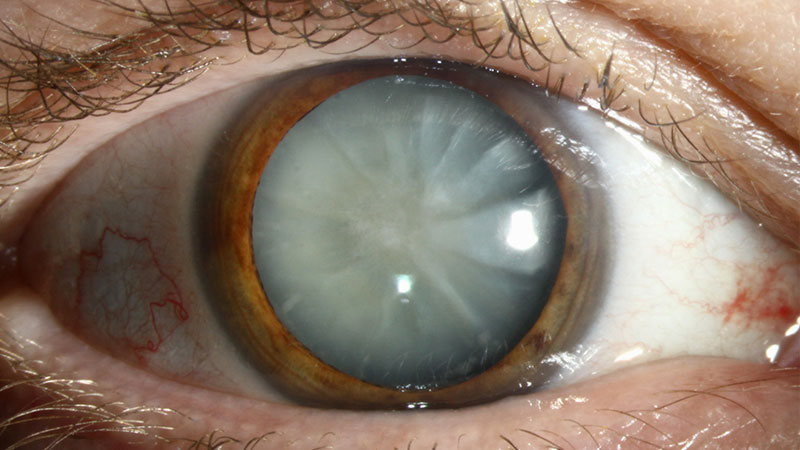
Cataracts Can Limit Visual Acuity
One of the most common reasons adults cannot achieve 20/20 vision is cataract development.
A cataract occurs when the eye’s natural lens becomes cloudy.
Symptoms often include:
- Blurred vision
- Increased glare
- Difficulty driving at night
- Faded colors
- Reduced contrast sensitivity
- Frequent prescription changes
Even if a glasses prescription is perfectly accurate, light must still pass through the cloudy lens.
As cataracts progress, vision may remain less than 20/20 despite corrective lenses.
Fortunately, cataract surgery can often restore significant visual clarity by replacing the clouded lens with an artificial intraocular lens.
However, before surgery becomes necessary, glasses may only provide limited improvement.
Macular Degeneration Can Permanently Affect Central Vision
The retina plays a critical role in vision by converting light into signals sent to the brain.
Within the retina is a small area called the macula, responsible for sharp central vision.
Age-related macular degeneration (AMD) damages this area and is a leading cause of vision loss among older adults.
People with AMD may experience:
- Blurry central vision
- Distorted lines
- Missing areas in their vision
- Difficulty reading
- Trouble recognizing faces
Because the problem originates within the retina itself, glasses cannot fully correct the vision loss.
Even the strongest prescription may not restore 20/20 vision when retinal tissue has been damaged.
Glaucoma Can Reduce Visual Function
Glaucoma is often called the “silent thief of sight” because it can cause permanent vision loss without noticeable symptoms in its early stages.
The disease damages the optic nerve, which carries visual information from the eye to the brain.
While glaucoma primarily affects peripheral vision initially, advanced stages can impact overall visual function.
Since glasses only correct refractive errors, they cannot replace vision lost from optic nerve damage.
Early detection through comprehensive eye exams remains the best defense against glaucoma-related vision loss.
Diabetic Eye Disease Can Impact Vision Permanently
Diabetes can affect blood vessels throughout the body, including those within the retina.
Diabetic retinopathy may cause:
- Blurred vision
- Floaters
- Distorted vision
- Vision loss
In advanced stages, retinal damage can become permanent.
Even with perfectly prescribed glasses, visual acuity may never return to 20/20 if retinal tissue has been affected.
This highlights the importance of managing systemic health as part of protecting vision.
Corneal Changes Can Affect Visual Quality
The cornea is the clear front surface of the eye and contributes significantly to focusing light.
Certain conditions become more common with age and can affect corneal health, including:
- Corneal scarring
- Dry eye disease
- Corneal dystrophies
- Previous injuries
- Surgical complications
These issues can create irregularities that reduce visual clarity.
In some cases, specialized contact lenses or medical treatments may help, but standard glasses may not fully correct the resulting distortion.
The Brain Also Plays a Role in Vision
Many people think vision occurs entirely within the eyes.
In reality, the brain performs a substantial amount of visual processing.
Age-related neurological changes can affect:
- Contrast sensitivity
- Motion detection
- Depth perception
- Visual reaction times
- Image processing speed
Even when the eyes are healthy, the brain’s ability to interpret visual information may gradually change over time.
Glasses cannot alter how the brain processes visual input.
Contrast Sensitivity Often Declines With Age
Traditional eye charts measure the ability to identify high-contrast black letters on a white background.
However, real-world environments are rarely that simple.
Older adults often experience reduced contrast sensitivity, making it more difficult to distinguish objects that blend into their surroundings.
This can affect:
- Night driving
- Navigating stairs
- Reading low-contrast text
- Recognizing faces in dim lighting
A person may technically achieve 20/20 vision on an eye chart yet still struggle with these everyday visual tasks.
Dry Eye Disease Can Reduce Visual Sharpness
Dry eye disease becomes increasingly common with age.
A healthy tear film is essential for producing clear, consistent vision.
When tears evaporate too quickly or are insufficiently produced, symptoms may include:
- Fluctuating vision
- Blurriness
- Burning sensations
- Eye fatigue
- Light sensitivity
Many patients are surprised to learn that dry eye disease can prevent them from achieving their best possible visual acuity.
Treating the underlying dryness may improve vision, but glasses alone cannot solve the problem.
Previous Eye Injuries Can Leave Permanent Effects
Eye injuries can occur decades before vision problems become noticeable.
Past trauma may result in:
- Corneal scars
- Retinal damage
- Lens abnormalities
- Optic nerve injury
Even when the injury healed successfully, residual effects may limit visual potential.
This is another reason some individuals cannot achieve 20/20 vision despite updated prescriptions.
Why Some People Have a “Best Corrected Vision”
Eye doctors often discuss something called “best corrected visual acuity.”
This refers to the sharpest vision a patient can achieve with the most accurate prescription possible.
For some people, best corrected vision may be:
- 20/20
- 20/25
- 20/30
- 20/40
The number depends on the overall health and function of the eye.
If retinal disease, cataracts, corneal irregularities, or optic nerve damage are present, vision may not improve beyond a certain level.
This does not necessarily mean treatment has failed.
Rather, it reflects the eye’s maximum visual potential based on its current condition.
Can Healthy Aging Eyes Still Reach 20/20 Vision?
Absolutely.
Many adults maintain 20/20 vision well into their later years.
Factors that support long-term visual health include:
- Routine eye exams
- UV protection
- Good nutrition
- Blood pressure control
- Diabetes management
- Smoking avoidance
- Early disease detection
- Proper treatment of eye conditions
Healthy aging does not automatically prevent someone from achieving excellent vision.
The key is identifying and managing problems before permanent damage occurs.
The Importance of Regular Eye Exams
One of the most significant misconceptions about vision is that if you can still see reasonably well, your eyes must be healthy.
Many serious eye diseases develop silently.
Conditions such as glaucoma, diabetic retinopathy, and macular degeneration may show few symptoms until vision loss has already occurred.
Routine eye exams allow doctors to:
- Update prescriptions
- Detect cataracts
- Monitor retinal health
- Screen for glaucoma
- Evaluate dry eye disease
- Assess visual changes related to aging
- Identify systemic health concerns affecting vision
Even if 20/20 vision is no longer achievable, early intervention can help preserve the vision you have and maximize your visual potential.
Accepting That Perfect Vision Isn’t Always the Goal
For some patients, hearing that they may never reach 20/20 vision can feel disappointing.
However, vision care is about much more than chasing a number on an eye chart.
The true goal is helping patients maintain safe, comfortable, and functional vision for daily life.
Being able to read comfortably, drive safely, recognize loved ones, enjoy hobbies, and maintain independence are often more meaningful measures of visual success than achieving a perfect score on an eye exam.
Modern eye care offers numerous ways to improve quality of life, even when 20/20 vision is not possible.
The earlier potential problems are identified, the greater the opportunity to protect and preserve long-term vision.
Protect Your Vision and Preserve Your Best Possible Sight with Optical Illusions
Getting older does not automatically mean losing your vision, but it does increase the importance of proactive eye care. If you have noticed changes in your eyesight, difficulty reading, increased glare, or frustration that new glasses are not providing the clarity you expected, a comprehensive eye examination can help identify the cause and determine the best path forward.
Protect Your Vision and Enhance Your Look with Optical Illusions. Get an eye exam with our Board-Certified Optometrists who specialize in helping patients find the right contacts and eyewear solutions to maximize their best possible vision at every stage of life. Expert Fitting. High-Quality Lenses. Comprehensive Eye Exams: Our optometrists will evaluate your visual acuity, eye health, and any age-related changes that may be affecting your ability to achieve clear sight.
At Optical Illusions: An Optometric Practice, we believe that everyone deserves to see as clearly as possible and enjoy lifelong eye health. Our comprehensive exams include screenings for ocular risk, advanced diagnostic instruments, early detection of age-related eye conditions, and personalized care plans designed to protect your vision for years to come.
Schedule your appointment at 1 of our 4 conveniently located offices in San Jose, San Mateo, San Ramon, and Juneau.