

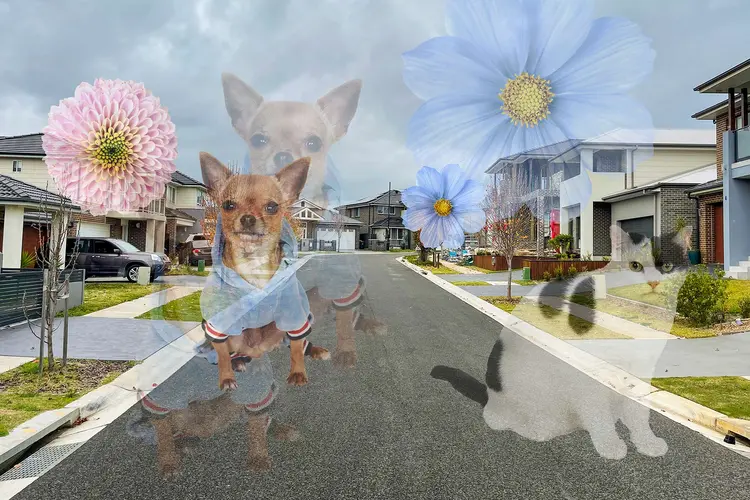
Charles Bonnet Syndrome (CBS) is a condition where people with vision loss see things that are not actually present. These are called visual hallucinations. However, unlike hallucinations linked to mental health conditions, people with CBS are fully aware that what they are seeing is not real. This is a key point, and it often brings a sense of relief once the condition is understood.
Most importantly, CBS happens because of changes in vision, not because of problems with thinking or memory. In fact, the brain is trying to adapt. When the eyes stop sending clear images, the brain fills in the gaps. As a result, it creates images on its own.
Who Gets Charles Bonnet Syndrome?
CBS most often affects older adults. This is because vision loss becomes more common with age. Conditions such as macular degeneration, glaucoma, diabetic retinopathy, and cataracts can all increase the risk.
However, Charles Bonnet Syndrome is not limited to seniors. It can happen to anyone with significant vision loss, regardless of age. Even children and younger adults with severe visual impairment can experience it, although it is less common.
In many cases, people do not report their symptoms. They may feel embarrassed or worried. Therefore, CBS is likely underdiagnosed.
What Do People See?
The hallucinations in CBS can vary widely. Sometimes, they are simple. Other times, they are detailed and complex.
Simple hallucinations may include:
- Shapes
- Patterns
- Flashes of light
- Lines or grids
On the other hand, complex hallucinations can be much more vivid. These may include:
- Faces
- People
- Animals
- Buildings or landscapes
Interestingly, these images are often clear and colorful. In fact, they can appear more detailed than real life. However, they do not usually involve sound, smell, or touch. CBS is purely visual.
Why Does Charles Bonnet Syndrome Happen?
To understand CBS, it helps to think about how the brain works. The brain relies on signals from the eyes to create a picture of the world. When vision is reduced, those signals weaken.
As a result, the visual part of the brain becomes more active on its own. It begins to “fill in” missing information. This is similar to how the brain can create dreams during sleep.
Therefore, CBS is not a sign of mental illness. Instead, it is a response to sensory loss. The brain is simply trying to make sense of limited input.
How Common Is It?
CBS is more common than many people think. Studies suggest that up to 1 in 3 people with significant vision loss may experience it. However, many cases go unreported.
This happens because people are afraid of being judged. They may worry that others will think they have dementia or a psychiatric condition. As a result, they stay silent.
Fortunately, awareness is growing. As more people learn about CBS, more individuals feel comfortable speaking up.
How Long Does It Last?
The duration of Charles Bonnet Syndrome can vary. For some people, it lasts only a few weeks or months. For others, it may continue for years.
However, the frequency of hallucinations often decreases over time. In many cases, the brain adjusts to the vision loss. As a result, the hallucinations become less frequent or less intense.
Still, each person’s experience is different. Therefore, it is important to monitor changes and seek guidance if needed.
Triggers and Patterns
Certain factors can make hallucinations more likely. For example, they often occur when a person is:
- In low light
- Sitting quietly
- Feeling tired or stressed
- Alone for long periods
In contrast, hallucinations may stop when the person becomes more active. Moving around, turning on lights, or focusing on something else can help.
Because of this, many people learn to recognize their own triggers. Over time, they can manage episodes more effectively.
How Is Charles Bonnet Syndrome Diagnosed?
There is no single test for CBS. Instead, diagnosis is based on symptoms and medical history.
Doctors usually look for three main signs:
- Vision loss
- Visual hallucinations
- Awareness that the images are not real
In addition, they may rule out other conditions. These can include neurological disorders or medication side effects.
An eye exam is often part of the process. This helps identify the underlying cause of vision loss.
Charles Bonnet Syndrome vs Dementia vs Schizophrenia
These conditions may look similar at first. However, they are very different.
People with Charles Bonnet Syndrome (CBS) know the images are not real. People with dementia or schizophrenia often believe the images are real.
CBS causes only visual hallucinations. This means people see things that are not there. Schizophrenia often includes hearing voices. Dementia can include both seeing and hearing things.
The causes are different. CBS is linked to vision loss. Dementia is caused by damage in the brain. Schizophrenia is a mental health condition.
Memory and thinking stay normal in CBS. Dementia causes memory loss over time. Schizophrenia can affect clear thinking and focus.
Treatment and Management
There is no cure for CBS. However, there are many ways to manage it. In fact, simple strategies can make a big difference.
First, improving vision can help. Updating glasses, treating eye conditions, or using better lighting may reduce hallucinations.
Second, lifestyle changes are important. Staying socially active, getting enough rest, and reducing stress can all help.
Third, specific techniques can stop an episode. These include:
- Blinking or moving the eyes
- Looking directly at the image
- Changing lighting conditions
- Standing up or walking around
In some cases, doctors may suggest medication. However, this is usually only for severe or distressing symptoms.
Emotional Impact and Support
Although Charles Bonnet Syndrome is not dangerous, it can feel unsettling. At first, many people feel confused or frightened. They may question their mental health.
However, understanding the condition often brings relief. Knowing that it is linked to vision loss—and not a psychiatric issue—can ease anxiety.
Support is also very important. Talking to family, friends, or healthcare providers can help reduce fear. In addition, support groups allow people to share their experiences.
As a result, individuals feel less alone. They gain confidence in managing their symptoms.
When to Seek Help
It is important to speak with a healthcare provider if you experience visual hallucinations. This is especially true if:
- The hallucinations are new
- They become more frequent
- They cause distress
- You are unsure whether they are real
Early evaluation helps rule out other conditions. It also ensures proper support and guidance.
Living Well with Charles Bonnet Syndrome
Living with CBS can be challenging at first. However, many people adapt over time. With the right knowledge and support, it becomes manageable.
Education is key. The more you understand the condition, the less frightening it becomes. In addition, practical strategies can reduce the impact on daily life.
Most importantly, remember that CBS is a natural response to vision loss. It does not mean there is something wrong with your mind.
Final Thoughts
Charles Bonnet Syndrome is a condition that sits at the intersection of vision and the brain. Although it may seem unusual, it is actually quite common among people with vision loss.
Because of this, awareness is essential. When people understand what is happening, they feel more in control. They can take steps to manage symptoms and improve their quality of life.
In the end, CBS is not something to fear. Instead, it is something to understand. And with understanding comes confidence, comfort, and clarity.
Schedule your appointment at 1 of our 4 conveniently located offices in San Jose, San Mateo, San Ramon, and Juneau.