

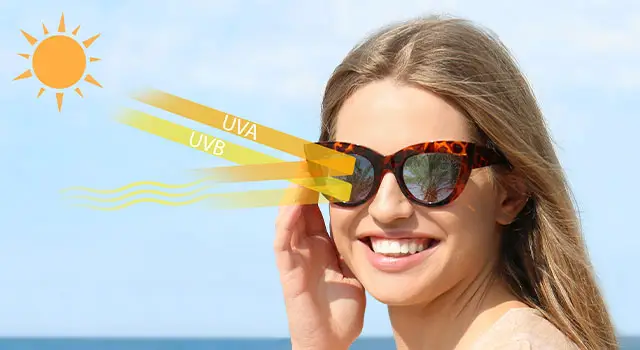
Our eyes work tirelessly every day. From scrolling through smartphones and working on computers to driving under bright sunlight, modern life places constant demands on vision. Yet eye health is often overlooked until a problem develops. One of the most underestimated threats to long-term eye health is ultraviolet (UV) radiation exposure. Combined with the growing importance of preventive care, proper UV-protective eyewear and routine eye exams are essential for preserving healthy vision at every stage of life.
Understanding UV Radiation and Its Impact on Eye Health
Most people associate UV damage with sunburned skin, but UV rays can also harm the eyes. Ultraviolet radiation from the sun consists primarily of UVA and UVB rays, both of which can contribute to eye damage over time, especially when exposure accumulates over many years.
Unlike skin, the eyes are highly sensitive to UV radiation. Extended exposure can affect various parts of the eye, including the cornea, lens, and retina. The consequences may not appear immediately, but long-term exposure significantly increases the risk of several eye conditions. These conditions include cataracts, macular degeneration, photokeratitis, which is essentially a sunburn of the eye, pterygium, retinal damage, and even eyelid skin cancers.
Because UV exposure occurs daily, even on cloudy days, consistent protection is critical.
Why Sunglasses Are More Than a Fashion Accessory
Sunglasses are often chosen based on style, but their primary function should always be protection. High-quality sunglasses with proper UV filtering act as a shield against harmful radiation while reducing cumulative eye damage. The best sunglasses block 99% to 100% of UVA and UVB rays. This level of protection helps reduce long-term risks while improving comfort in bright conditions.
When shopping for eyewear, consumers should prioritize several important features. The label should clearly indicate “100% UVA/UVB protection” or “UV400,” which means the lenses block wavelengths up to 400 nanometers and cover nearly all harmful UV radiation. Polarized lenses are also beneficial because they reduce glare from reflective surfaces such as water, roads, and snow. While polarization does not replace UV protection, it greatly improves visual comfort and clarity.
Frame design also matters. Larger or wraparound frames provide enhanced coverage by preventing UV rays from entering through the sides of the glasses. Lens quality is equally important because poor-quality lenses may distort vision or contribute to eye strain. Additionally, impact-resistant materials can help protect the eyes from physical injuries during sports or outdoor activities.
Children Need UV Protection Too
Children are particularly vulnerable to UV damage because their eyes allow more UV radiation to reach the retina compared to adults. Since children also tend to spend more time outdoors, early protection becomes especially important. Parents should encourage healthy habits by ensuring children wear UV-blocking sunglasses and wide-brimmed hats whenever they are outside. If a child requires prescription glasses, lenses with UV coatings can provide additional protection. Establishing these habits early in life may significantly reduce the risk of future vision problems.
UV Exposure Happens Year-Round
Many people only think about sunglasses during summer, but UV radiation affects the eyes throughout every season. During winter, snow can reflect up to 80% of UV rays, increasing exposure during activities such as skiing, snowboarding, and winter driving. Even cloudy days are not completely safe because harmful UV rays can penetrate cloud cover and still damage the eyes.
Driving also contributes to cumulative UV exposure, particularly from UVA rays that can pass through car windows. In addition, today’s lifestyles often combine extensive screen use with outdoor exposure, creating increased visual fatigue and emphasizing the importance of comprehensive eye care.
Prescription Eyewear Can Include UV Protection
People who wear prescription glasses may assume they are fully protected, but not all lenses automatically include UV filtering. Fortunately, many modern prescription lenses can be customized with UV-blocking coatings, blue-light filtering technology, photochromic transitions, and anti-reflective coatings. Patients should discuss lens options with their eye care provider to ensure they receive adequate protection tailored to their lifestyle and vision needs.
Contact Lens Wearers Still Need Sunglasses
Certain contact lenses offer partial UV protection, but they do not cover the entire eye or surrounding tissue. For this reason, contact lenses should never replace sunglasses. To achieve complete protection, contact lens users should continue wearing UV-blocking sunglasses whenever they are outdoors.
The Hidden Danger of Eye Damage
One challenge with UV-related eye damage is that it often develops gradually and painlessly. Many serious conditions show few or no early symptoms. For instance, cataracts may form slowly over many years, while macular degeneration can progress before noticeable vision loss occurs. Glaucoma is another concern because it can cause permanent damage before symptoms become obvious. This is why prevention and early detection are so important.
Why Regular Eye Exams Are Essential
Eye exams do far more than determine whether someone needs glasses. Comprehensive eye exams evaluate overall eye health and can identify early signs of disease before symptoms arise. Routine exams are among the most effective tools for protecting long-term vision. A full eye exam may include vision testing, eye pressure measurement, retinal evaluation, assessment of lens clarity, screening for eye diseases, evaluation of UV-related damage, and prescription updates. Eye doctors can also identify signs of broader health conditions, including diabetes, high blood pressure, autoimmune disorders, and neurological conditions. In many cases, the eyes reveal health concerns before other symptoms appear elsewhere in the body.
Early Detection Saves Vision
Many eye diseases are manageable when caught early, but delayed diagnosis can result in permanent vision loss. UV exposure contributes significantly to cataract formation, and regular exams help monitor lens changes while determining when treatment may become necessary. Early detection of macular degeneration allows patients to adopt lifestyle changes and treatment strategies that may slow progression.
Glaucoma requires especially careful monitoring because it often develops silently. Routine pressure checks and optic nerve evaluations are therefore critical. Patients with diabetes also require consistent monitoring to detect retinal damage before vision becomes affected.
How Often Should You Get an Eye Exam?
Eye exam frequency depends on factors such as age, medical history, and overall risk level. Children should typically have their first eye exam between six and twelve months of age, another exam before starting school, and follow-up visits every one to two years afterward. Adults between the ages of 18 and 60 are generally advised to schedule exams every one to two years, while adults over 60 should usually have annual exams or follow the recommendations of their eye care provider. Individuals with diabetes, a family history of eye disease, or existing vision concerns may require more frequent evaluations.
Signs You Should Schedule an Eye Exam Immediately
While regular preventive exams are important, certain symptoms require prompt medical attention. Warning signs include blurred vision, frequent headaches, persistent eye strain, light sensitivity, floaters or flashes, double vision, difficulty seeing at night, and sudden vision changes.
Ignoring these symptoms may allow underlying conditions to worsen over time.
The Connection Between Digital Eye Strain and UV Protection
Modern digital lifestyles have increased complaints related to eye fatigue, dryness, and headaches. Although screen exposure differs from UV radiation, both contribute to visual stress. Protective eyewear solutions can help reduce strain by combining UV filtering, blue-light reduction, anti-glare coatings, and accurate prescription lenses. Regular eye exams help determine the most effective solutions based on each individual’s visual needs and daily activities.
Outdoor Activities Require Specialized Protection
Different environments create unique risks for the eyes. Water reflects sunlight intensely, increasing UV exposure during beach activities and water sports. Higher elevations expose hikers and cyclists to stronger UV radiation, while snow glare significantly intensifies exposure during winter sports. Outdoor workers in fields such as construction or landscaping often experience prolonged sun exposure and may also face physical hazards that require additional eye protection. Specialized eyewear designed for specific activities can improve both safety and visual performance.
Choosing the Right Eye Care Professional
Selecting an experienced eye care provider is essential for maintaining healthy vision. A quality provider should offer comprehensive exams, discuss preventive care strategies, evaluate lifestyle-related risks, recommend appropriate eyewear solutions, and monitor changes over time. Patients should feel comfortable asking questions about UV protection, lens technology, and any concerns related to eye health.
Prevention Is Easier Than Treatment
Vision loss can profoundly affect quality of life, independence, productivity, and emotional well-being. Fortunately, many forms of eye damage are preventable. Simple habits can make a substantial difference. Wearing UV-protective sunglasses daily, using protective eyewear during sports and work activities, scheduling regular eye exams, limiting excessive sun exposure, maintaining a healthy diet, staying hydrated, and managing chronic health conditions can all contribute to better long-term eye health. Small preventive actions taken today may help preserve healthy vision for decades.
The Future of Eye Health Awareness
Public awareness surrounding eye protection continues to grow as research highlights the long-term effects of UV exposure and modern digital lifestyles. Advances in lens technology now allow consumers to combine style, comfort, and medical-grade protection more effectively than ever before. However, technology alone is not enough. Education and routine preventive care remain the foundation of lifelong eye health. Eye exams are not simply about achieving sharper vision. They are also about detecting disease early, protecting long-term health, and ensuring the eyes continue functioning at their best throughout life.
Final Thoughts
UV protection and routine eye exams work hand in hand. Sunglasses and protective eyewear provide a critical first line of defense against harmful radiation, while comprehensive eye exams ensure early detection of potential problems before they become serious. In a world where eyes are constantly exposed to sunlight, screens, and environmental stressors, proactive care has never been more important. Investing in quality eyewear and maintaining regular eye exams are simple yet powerful steps toward preserving vision and protecting overall health. Healthy vision is something many people take for granted until it changes. Prioritizing eye protection today can help safeguard sight for years to come.
Schedule your appointment at 1 of our 4 conveniently located offices in San Jose, San Mateo, San Ramon, and Juneau.