

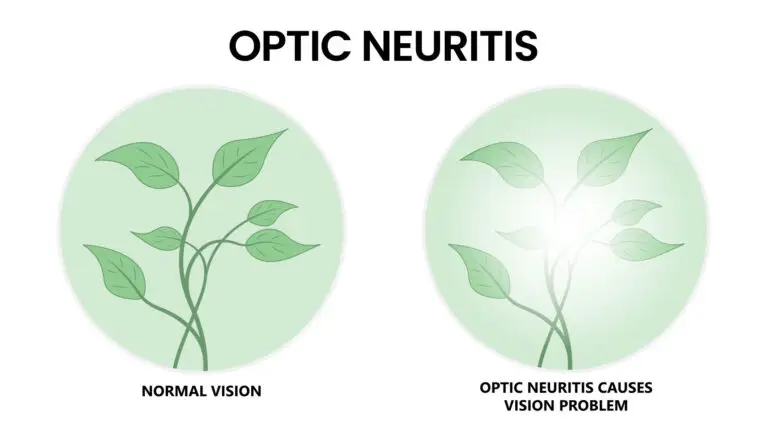
Vision is one of our most important senses, yet we often take it for granted. Many people don’t think about how complex vision is until something goes wrong. One condition that can suddenly affect sight is optic neuritis. While the name may sound unfamiliar, it can have a strong impact on daily life.
What Is Optic Neuritis?
Optic neuritis occurs when the optic nerve becomes inflamed. This nerve carries visual signals from the eye to the brain. When inflammation develops, it disrupts these signals and causes vision problems. The condition most often affects adults between ages 20 and 40. It also appears more often in women. In some cases, it happens on its own. In others, it links to autoimmune diseases such as multiple sclerosis (MS).
The Role of the Optic Nerve
The optic nerve plays a key role in vision. The eye captures light and sends signals through the retina. These signals travel along the optic nerve to the brain. The brain then turns them into images. When the optic nerve becomes inflamed, this process breaks down. Signals slow down or become distorted. As a result, vision becomes unclear or incomplete.
Common Visual Symptoms
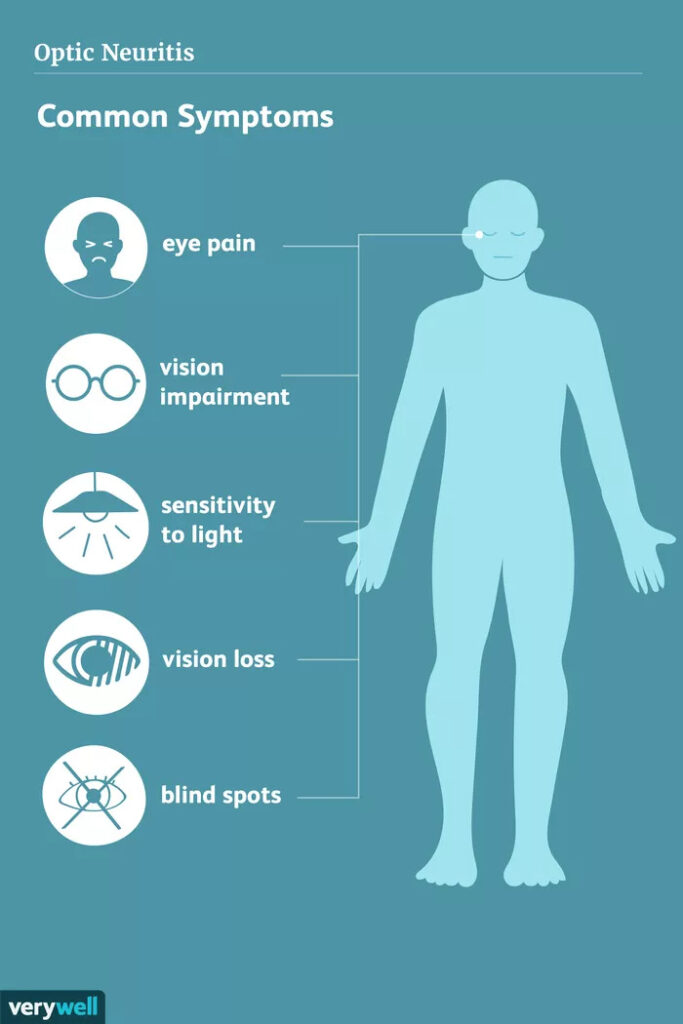
Symptoms of optic neuritis usually develop over several hours or days. Many people first notice blurred vision in one eye. This can range from mild changes to severe vision loss. In some cases, a person may only see light and dark. Colors may also look dull or faded. Reds often appear less bright than usual. This change in color vision often signals a problem with the optic nerve. Pain is another common symptom. Many people feel discomfort when they move the affected eye. The pain can feel like pressure or a dull ache.
Some people notice blind spots in their vision. These spots often appear near the center of what they see. This can make reading or recognizing faces harder. Others report flashes or flickers of light. These flashes do not come from outside sources. Instead, they result from irritation in the optic nerve. Even when vision seems only slightly blurry, contrast may still suffer. People may struggle to tell similar shades apart or see clearly in dim light.
Why Does Optic Neuritis Occur?
Optic neuritis often develops when the immune system attacks the optic nerve. This damages the protective layer around nerve fibers, called myelin. Without myelin, signals move more slowly. Multiple sclerosis is a common cause. In fact, optic neuritis can be an early sign of MS. However, not everyone with optic neuritis develops MS.Other autoimmune diseases, such as lupus, can also trigger the condition. Infections may also cause inflammation in some cases. Sometimes, doctors cannot find a clear cause.
How Vision Changes Over Time
Optic neuritis usually follows a pattern. Symptoms worsen over a few days and then reach a peak. After that, recovery begins.At first, vision becomes blurry and painful. Colors may fade, and central vision may weaken. During the peak phase, vision loss becomes most severe. Recovery often starts within a few weeks. As inflammation decreases, the optic nerve begins to heal. Many people regain much of their vision, though not always completely.
Long-Term Effects
Most people recover well, but some changes may remain. Vision may stay slightly less sharp. Colors may not look as bright as before. Some people become more sensitive to heat. Warm temperatures can temporarily worsen vision. Doctors call this Uhthoff’s phenomenon. Repeated episodes can cause lasting damage. Over time, this may lead to more permanent vision loss.
Diagnosis and Evaluation
Doctors use several tests to diagnose optic neuritis. They check visual sharpness and color vision, and they test the visual field to look for blind spots. Imaging tests such as MRI scans can help detect underlying conditions like multiple sclerosis. Another test, called optical coherence tomography (OCT), allows doctors to examine the optic nerve in detail.
Routine and annual eye exams also play a key role in protecting vision. Even when no symptoms are present, regular checkups can help detect subtle changes early. Eye doctors may notice small signs of nerve damage or vision loss before they become obvious. Early detection allows for faster treatment and can reduce the risk of long-term problems.
For people with a history of optic neuritis or related conditions, consistent follow-up visits are especially important. These exams help track recovery, monitor for recurrence, and ensure that any new issues are addressed quickly.
Treatment Options
Many cases of optic neuritis improve on their own. However, doctors may recommend treatment to speed recovery. High-dose corticosteroids can reduce inflammation. These drugs often help vision recover faster. If an underlying condition exists, doctors will treat it as well. Managing that condition helps prevent future episodes. Doctors may also suggest simple ways to manage discomfort during recovery.
Living with Optic Neuritis
Sudden vision changes can feel overwhelming. However, most people regain much of their sight and return to normal activities. Good lighting can help with low contrast vision. Resting the eyes may also reduce strain. Regular checkups help track recovery and catch new symptoms early Vision loss can affect mental health as well as physical health. Many people feel anxious or frustrated, especially if the condition links to a chronic illness. Support from doctors, counselors, or support groups can help. Learning more about the condition can also ease uncertainty.
Outlook and Prognosis
The outlook for optic neuritis is generally good. Most people begin to improve within weeks. Recovery often continues over several months. The final outcome depends on several factors. These include how severe the episode was and whether another condition is present. With proper care, many people recover well and maintain good vision.
Final Thoughts
Optic neuritis shows how closely the eyes and brain work together. While it can cause sudden and troubling symptoms, it often improves with time. Recognizing the signs early can make a difference. If you notice sudden vision changes or eye pain, seek medical care right away. Quick action can support recovery and protect long-term eye health.
Schedule your appointment at 1 of our 4 conveniently located offices in San Jose, San Mateo, San Ramon, and Juneau.