


LASIK can reduce or even remove the need for glasses or contact lenses. However, your eyes need to be healthy before surgery. One issue that matters is dry eye.
Dry eye is common, and you may not even know you have it. In fact, some people have dry eyes without feeling dry at all. Instead, they may notice burning, blurry vision, redness, or tired eyes.
Because LASIK can affect the nerves and tear film on the surface of the eye, dry eye can become more noticeable after surgery. Therefore, it is important to find and treat dry eye before LASIK when possible.
What Is Dry Eye?
Dry eye happens when your eyes do not have enough healthy tears or when your tears do not stay on the eye long enough.
Your tears do more than keep your eyes wet. They create a smooth layer over the front of your eye. This tear film helps protect the surface and keeps your vision clear.
When the tear film is not working well, you may notice:
- Burning or stinging
- A gritty or sandy feeling
- Red or irritated eyes
- Watery eyes
- Light sensitivity
- Blurry or changing vision
- Eye fatigue
- Trouble wearing contact lenses
- A feeling that something is in your eye
Interestingly, watery eyes can also be a sign of dry eye. When the eye becomes irritated, it can produce extra tears. However, these tears may not have the right balance of oils, water, and mucus needed to keep the eye comfortable.
Why Does Dry Eye Matter Before LASIK?
Before LASIK, your eye doctor checks more than your glasses prescription. They also look at the health of your eyes and the surface of your cornea.
A healthy tear film is important because LASIK changes the shape of the cornea. Your surgeon needs clear and reliable measurements before surgery. If the surface of the eye is dry or uneven, those measurements may be less consistent.
In addition, existing dry eye can make recovery less comfortable.
That is why your doctor may check for dry eye before deciding if LASIK is right for you. They may look at your tear film, cornea, eyelids, tear production, and other parts of the eye.
If dry eye is found, treatment may be recommended before surgery.
What Happens to the Eyes During LASIK?
During LASIK, a surgeon reshapes the cornea to correct vision. As part of the procedure, some of the small nerves in the cornea are affected.
These nerves help the eye sense when the surface needs more tears. After LASIK, it can take time for those nerves to recover.
As a result, your eyes may produce fewer tears or may not respond to dryness in the same way for a while.
For most people, these changes improve as the eyes heal. However, some people can have dry eye symptoms for longer.
This is one reason why treating dry eye before surgery can be so important.
Dry Eye After LASIK
Some dryness after LASIK is common during the healing process.
You may notice that your eyes feel dry, tired, scratchy, or irritated. Your vision may also seem slightly blurry at times. For example, your vision may look clear one moment and then become hazy after reading or using a computer.
You may also notice that your eyes feel worse later in the day.
These symptoms can happen because the surface of the eye is still healing. In addition, your tear film may not be as stable as it was before surgery.
Your doctor will usually give you eye drops and specific instructions for caring for your eyes during recovery.
What If You Already Have Dry Eye?
If you already have dry eye before LASIK, the symptoms can sometimes become more noticeable after surgery.
For example, someone who already has burning and irritation may experience more discomfort during the healing period. Someone with an unstable tear film may also notice more changes in vision.
In some cases, dry eye can make the recovery period feel longer.
That does not automatically mean you cannot have LASIK. Instead, your eye doctor may want to treat the dryness first.
The goal is to improve the health of the eye before surgery.
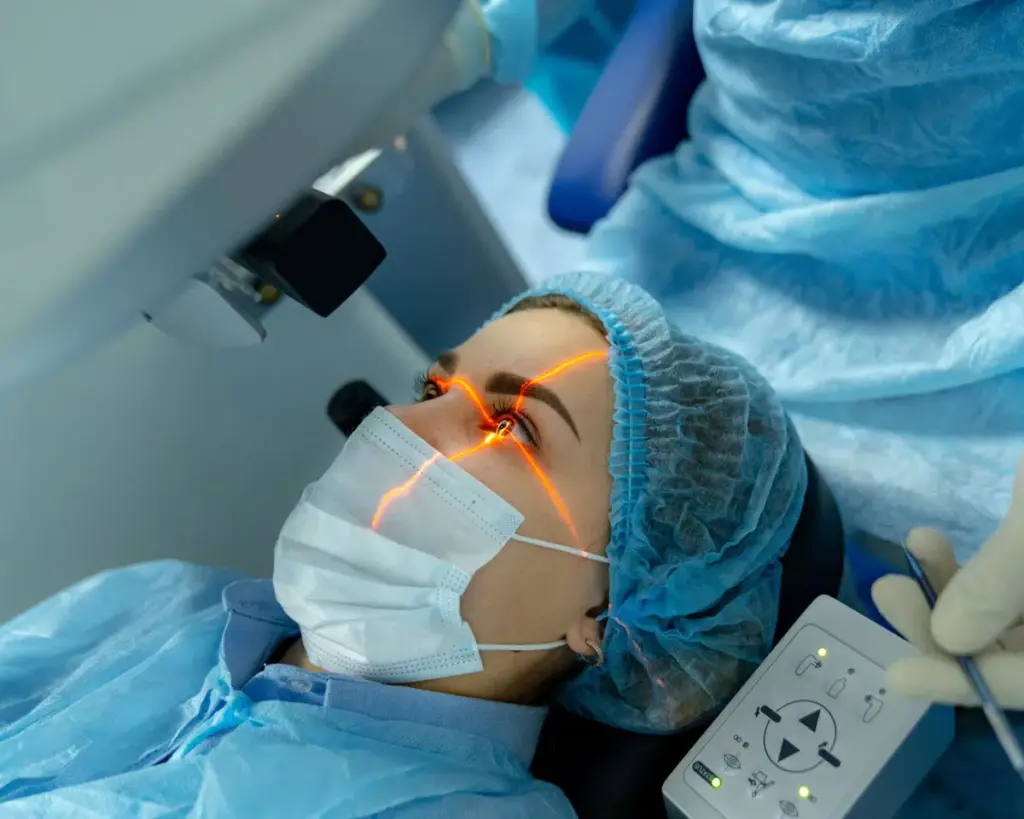
Symptoms You May Experience If Dry Eye Is Not Treated
If dry eye is not addressed before LASIK, you may experience symptoms such as:
Burning or Stinging
Your eyes may feel hot, irritated, or uncomfortable. This can be worse after screen use or later in the day.
Gritty Eyes
You may feel like there is sand or something stuck in your eye. This can happen even when there is nothing in the eye.
Blurry or Fluctuating Vision
Dryness can affect the smooth tear layer over the cornea. Because of this, vision may come and go between clear and blurry.
Light Sensitivity
Some people become more sensitive to bright lights during the healing process. Headlights, sunlight, and screens may feel more uncomfortable.
Eye Fatigue
Your eyes may feel tired or heavy, especially after reading, driving, or working on a computer.
Redness
Dryness can irritate the surface of the eye and cause redness.
Increased Watery Eyes
It may seem strange, but dry eyes can actually water more. The eye may produce extra tears in response to irritation.
Contact Lens Problems Before Surgery
If you wear contacts, dry eye may make them uncomfortable. You may also notice that your contacts feel dry before the end of the day.
How Can Dry Eye Be Treated Before LASIK?
The right treatment depends on what is causing your dry eye.
For some people, simple changes can help. These may include using artificial tears, taking breaks from screens, drinking enough water, and avoiding direct air from fans or vents.
However, some people need more targeted treatment.
Your eye doctor may recommend treatments such as prescription eye drops, eyelid care, warm compresses, or other dry eye therapies. In some cases, your doctor may also treat inflammation or problems with the oil glands in the eyelids.
The important part is finding the cause instead of only treating the symptoms.
For example, if your eyelid oil glands are not working well, simply adding more artificial tears may not fully solve the problem.
Dry Eye and Contact Lenses Before LASIK
Contact lenses can also affect the surface of the eye.
If you wear contacts, your doctor may ask you to stop wearing them before your LASIK evaluation or surgery. The exact amount of time depends on the type of contact lenses you wear and your surgeon’s instructions.
This gives the cornea time to return to its natural shape.
It also helps your doctor get more reliable measurements.
Therefore, always follow the instructions from your LASIK provider about when to stop wearing contacts.
What Can You Do Before LASIK?
If you are thinking about LASIK, start paying attention to your eyes before your consultation.
Tell your eye doctor if you have:
- Burning or stinging
- Watery eyes
- Redness
- Blurry vision that comes and goes
- Contact lens discomfort
- Light sensitivity
- Eye fatigue
- A gritty feeling
Also, tell your doctor how much time you spend on screens. Long periods of screen use can reduce how often you blink. As a result, your tears may evaporate faster.
Your doctor can then decide if you need a dry eye evaluation or treatment before moving forward.
What Can You Do After LASIK?
After surgery, follow your surgeon’s instructions closely.
Use your prescribed eye drops as directed. Do not rub your eyes. Take breaks from screens when needed, and protect your eyes from wind, dust, and other irritants.
Artificial tears may also be recommended.
Most importantly, do not ignore ongoing symptoms. Some dryness is expected during healing, but your doctor should know if symptoms are severe, getting worse, or not improving.
Healthy Eyes Come First
LASIK is a procedure performed on the cornea, so the health of the eye’s surface matters.
Dry eye does not always mean that LASIK is off the table. Instead, it may mean that your eyes need attention before surgery.
By finding dry eye early, your doctor can work on improving the tear film and the surface of the eye. This can help create a healthier starting point for surgery and a more comfortable recovery.
If you are considering LASIK, ask about dry eye during your consultation. Even if your eyes feel fine, testing can help uncover problems that you may not notice on your own.
Healthy eyes should always come first. With the right evaluation and care, you and your eye doctor can decide whether LASIK is appropriate for you and how to prepare your eyes for the best possible recovery.
Schedule your appointment at 1 of our 4 conveniently located offices in San Jose, San Mateo, San Ramon, and Juneau.