

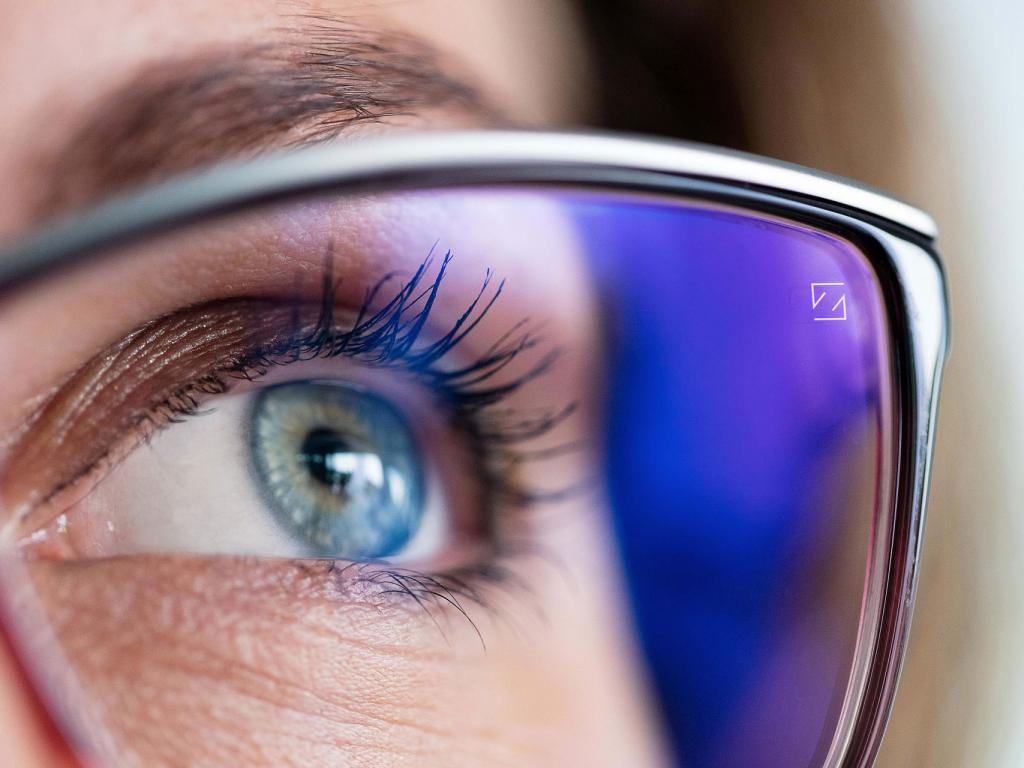
Among the most respected names in optical technology, two stand at the forefront: Essilor and Zeiss. These global leaders have shaped modern lens innovation in different but equally powerful ways. Understanding their differences can help you make a more informed decision about your vision, comfort, and long-term eye health.
In a world where visual demands are higher than ever, choosing the right prescription lenses is no longer just about correcting eyesight—it’s about optimizing how you experience every moment of your day. From the moment you wake up and check your phone, to long hours in front of digital screens, to driving at night or enjoying outdoor scenery, your lenses are working constantly to shape how clearly and comfortably you see the world.
This guide explores how Essilor and Zeiss lenses compare across technology, clarity, customization, coatings, durability, and lifestyle performance, helping you determine which may be the better fit for your needs.
Understanding the Two Leaders in Optical Innovation
Essilor and Zeiss are not just lens manufacturers—they are pioneers in optical science.
Essilor is widely known for its innovation in vision correction, particularly progressive lenses such as Varilux, and its focus on making advanced vision solutions accessible to a broad population. The company has built its reputation around improving everyday visual comfort through large-scale innovation and extensive lens customization.
Zeiss brings a legacy rooted in precision optics and engineering excellence. Originating from the world of scientific and industrial imaging, Zeiss lenses are known for exceptional sharpness, contrast, and optical precision, often appealing to users who prioritize visual clarity and detail.
While both brands aim to improve vision, their philosophies differ: Essilor emphasizes everyday adaptability and comfort, while Zeiss prioritizes optical precision and high-definition clarity.
Lens Technology and Optical Philosophy
Essilor lenses are designed around the concept of visual ergonomics. Their engineering focuses on how the eyes naturally move and adapt throughout the day. This is especially evident in their progressive lenses, which are designed to provide smooth transitions between near, intermediate, and distance vision.
Zeiss lenses, on the other hand, are built on precision optics. The company applies advanced digital ray-tracing technology to simulate how light interacts with the lens and the eye. This results in extremely accurate visual reproduction, with an emphasis on sharpness and reduced distortion.
In simple terms, Essilor focuses on comfort and ease of adaptation, while Zeiss focuses on precision and clarity.
Single Vision Lenses Comparison
Single vision lenses are often the entry point for many wearers, correcting either nearsightedness or farsightedness.
Essilor single vision lenses prioritize visual comfort across everyday tasks. They often incorporate features that reduce eye strain, especially for digital users. Their designs are optimized for broad usability and comfort over long wear periods.
Zeiss single vision lenses emphasize sharpness and edge-to-edge clarity. They are often preferred by users who notice subtle distortions in peripheral vision or who require high visual precision for tasks like driving or detailed work.
Choosing between them often comes down to sensitivity: if comfort is your priority, Essilor may feel more natural; if crisp definition matters more, Zeiss may stand out.
Progressive Lenses: A Key Differentiator
Progressive lenses represent one of the most important categories when comparing Essilor and Zeiss.
Essilor’s Varilux line is one of the most widely recognized progressive lens systems in the world. These lenses are designed to mimic natural eye movement, offering smoother transitions between viewing distances. Many wearers appreciate the faster adaptation period and reduced visual fatigue during daily activities.
Zeiss progressive lenses focus heavily on optical precision and customization. Their designs often reduce peripheral distortion and enhance stability when moving the eyes between zones. Zeiss uses advanced measurement systems to tailor lenses more precisely to individual frame choice and facial geometry.
In general:
- Essilor progressive lenses: easier adaptation, natural movement, comfort-focused
- Zeiss progressive lenses: sharper zones, reduced distortion, high customization

Digital and Office Lenses
With increasing screen use, digital lenses have become essential.
Essilor offers digital-specific lenses designed to reduce eye strain from prolonged screen exposure. These lenses support natural focusing behavior and help reduce fatigue associated with near tasks.
Zeiss digital lenses are often considered among the most advanced in the industry. They are designed with precise focus zones that reduce strain during prolonged computer use and optimize intermediate vision clarity.
For users who spend most of their day on screens, both brands offer strong solutions, but Zeiss often edges ahead in precision, while Essilor emphasizes comfort and adaptability.
Lens Coatings and Light Protection
Modern lenses are defined not just by their shape but also by their coatings.
Essilor coatings, such as Crizal, are designed to reduce glare, resist scratches, and repel smudges. They focus heavily on durability and everyday practicality, making lenses easier to maintain in real-world conditions.
Zeiss coatings are known for optical purity and light transmission. They are engineered to reduce reflections while maintaining maximum clarity, especially in challenging lighting conditions such as night driving.
Both brands offer strong anti-reflective and protective coatings, but Zeiss tends to emphasize visual purity, while Essilor emphasizes durability and ease of maintenance.
Blue Light and Digital Eye Strain
Both Essilor and Zeiss have developed lenses that address blue light exposure from digital devices.
Essilor integrates blue light filtering into lenses in a way that preserves color balance while reducing potential strain. Their approach is subtle and designed for all-day wear.
Zeiss takes a more targeted optical approach, filtering specific wavelengths while maintaining color accuracy and contrast sensitivity.
Users who prioritize natural color perception often prefer Zeiss, while those seeking comfort in long screen sessions often lean toward Essilor.
Photochromic and Adaptive Lenses
Photochromic lenses adjust to lighting conditions, darkening outdoors and clearing indoors.
Essilor’s Transitions lenses are widely used and known for reliable responsiveness and convenience in changing environments.
Zeiss photochromic options are often praised for faster transition speed and better performance in varying temperatures.
Both offer excellent protection from UV exposure, making them strong options for individuals who move frequently between indoor and outdoor environments.
Durability and Longevity
Durability is a key consideration in lens selection.
Essilor lenses are designed with everyday resilience in mind. Their coatings help resist scratches, dust, and smudging, making them ideal for users who want low-maintenance eyewear.
Zeiss lenses are engineered with high-grade optical materials and precise manufacturing standards, which often result in excellent structural integrity and long-term clarity.
Both brands perform well over time, but proper care and cleaning remain essential regardless of choice.
Price and Value Considerations
Essilor lenses are often more widely accessible, offering a range of price points depending on customization and lens type. This makes them a strong choice for users seeking balance between performance and affordability.
Zeiss lenses tend to sit at a higher price point, reflecting their precision engineering and advanced optical technologies. Many users consider them a premium investment in visual clarity.
The decision often comes down to budget versus optical precision preferences.
Pros and Cons Summary
Essilor Pros:
- Highly comfortable for daily wear
- Strong progressive lens adaptation
- Excellent coating durability
- Wide accessibility and availability
Essilor Cons:
- Slightly less optical sharpness compared to premium Zeiss designs
- May offer less customization in certain lens tiers
Zeiss Pros:
- Exceptional optical clarity and sharpness
- Highly precise digital lens design
- Strong performance in peripheral vision
- Excellent for detail-oriented visual tasks
Zeiss Cons:
- Higher cost
- Slightly longer adaptation for some progressive users
Which Should You Choose?
Choosing between Essilor and Zeiss depends on your lifestyle and visual priorities.
If your daily routine involves long hours of general wear, screen time, and comfort-focused vision, Essilor may be the more natural fit.
If you prioritize optical precision, sharp detail, and advanced customization—especially for driving, detailed work, or premium visual clarity—Zeiss may be the better choice.
Ultimately, both brands represent the highest level of optical innovation available today. The best lens is the one tailored to your unique vision needs.
Protect Your Vision and Enhance Your Look with Optical Illusions
Get an eye exam with our Board-Certified Optometrists who specialize in helping patients find the right contacts to suit their style and prescription needs.
Expert Fitting. High-Quality Lenses. Comprehensive Eye Exams: Our optometrists will check your vision and prescribe the right contacts for you.
At Optical Illusions: An Optometric Practice, we believe that everyone deserves to see clearly and have the best in eye health.
Our comprehensive exams include screenings for ocular risk, advanced diagnostic instruments, and personalized care plans to keep your eyes healthy.
Schedule your appointment at 1 of our 4 conveniently located offices in San Jose, San Mateo, San Ramon, and Juneau.