

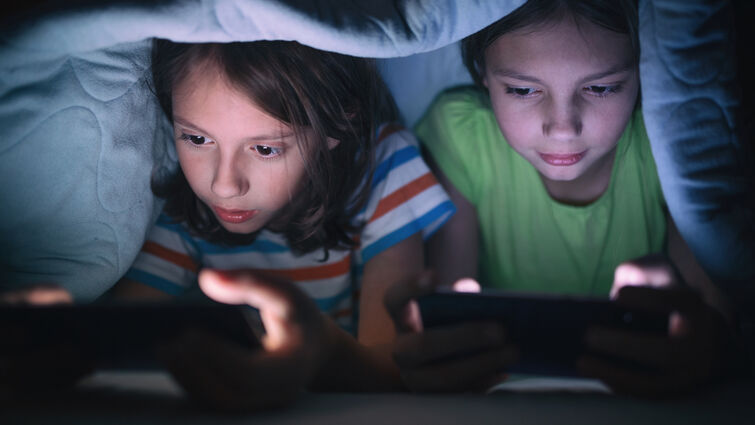
Screens are part of daily life. Kids use them for school, games, videos, and more. However, too much screen time can affect their eyes, sleep, and daily habits.
So, how much screen time is right for your child? And when should parents think about computer glasses or blue light filter glasses?
The answer depends on your child’s age, screen habits, and vision needs. Here’s what parents should know.
How Much Screen Time Should Kids Have?
Children need different screen limits as they grow. In general, younger kids need less screen time. Older kids may need screens for school and homework. Even so, regular breaks are important at every age.
Babies and Toddlers: Ages 0–2
Babies learn best through real-world play. They need time to explore, move, and connect with people. Therefore, try to avoid screen time for children under 18 months, except for video calls.
For children ages 18–24 months, choose high-quality content. Watch it with your child whenever possible. This helps them connect what they see with the real world.
At this age, screen use should not replace sleep, play, or family time.
Preschoolers: Ages 2–5
Young children learn through movement, play, and social contact. As a result, screen time should stay limited.
The American Academy of Pediatrics recommends no more than one hour per day of high-quality screen use for children ages 2–5. Less is often better.
Also, try to watch shows together. Ask questions about what your child sees. This can help them learn while they watch.
Most importantly, protect time for outdoor play, reading, and sleep.
School-Age Kids: Ages 6–12
School-age children often use screens for both learning and fun. They may use a laptop for homework, then switch to a tablet or phone.
At this age, one strict time limit may not fit every child. Instead, set clear rules for schoolwork, games, and videos.
For example, you can:
- Set screen-free times during meals.
- Keep devices out of the bedroom at night.
- Encourage outdoor play every day.
- Build regular breaks into homework time.
- Stop screen use before bedtime.
Also, pay attention to how your child feels after using a screen. Eye strain, headaches, and blurry vision can be signs that they need a break or an eye exam.
Teens: Ages 13–18
Teens often rely on screens for school, social life, and entertainment. Therefore, cutting out screens completely may not be realistic.
Instead, focus on healthy habits. Help teens balance screen use with sleep, exercise, and time away from devices.
For example, encourage them to put their phones away before bed. Also, remind them to take breaks during long study sessions.
If your teen has frequent headaches, tired eyes, or trouble focusing, an eye exam can help find the cause.
How Does Screen Time Affect Kids’ Eyes?
Screens do not usually harm the eyes just because a child looks at them. However, long periods of screen use can cause discomfort.
Here are some common problems to watch for.
Digital Eye Strain
Kids often focus on screens for long periods. As a result, they may blink less often. This can lead to dry, tired, or irritated eyes.
They may also notice headaches or blurry vision. In many cases, these symptoms improve after a break.
Near Work and Myopia
Myopia, also called nearsightedness, makes faraway objects look blurry. It often begins during childhood.
Long periods of close-up work may be linked to a higher risk of myopia. However, screen time alone does not explain every case.
Genetics and other factors also play a role. In addition, time spent outdoors may help lower the risk of developing myopia.
Therefore, encourage kids to take breaks from close-up tasks. Whenever possible, make time for outdoor play each day.
Sleep Problems
Screens can also affect sleep. Bright light and exciting content may make it harder for kids to settle down.
This is especially important at night. Poor sleep can affect mood, attention, and learning.
To help, create a screen-free bedtime routine. Ideally, turn off devices at least one hour before bed.
Can Computer Glasses Help Kids?
Computer glasses are made to support comfortable vision during screen use. They can be useful for some children, especially those who spend long hours on computers for school.
However, not every child needs them.
The right lenses depend on the child’s vision, working distance, and symptoms. For example, a child with an uncorrected vision problem may need prescription lenses. Another child may benefit from lenses designed for their screen distance.
Computer glasses may help by:
- Providing the right prescription for the screen distance.
- Making it easier to focus during computer work.
- Reducing strain caused by an incorrect or outdated prescription.
- Supporting a more comfortable viewing position.
Still, glasses cannot replace healthy screen habits. Children should continue to take breaks, blink often, and avoid holding screens too close.
If your child often squints, moves closer to the screen, or complains of headaches, schedule an eye exam. An eye care professional can check their vision and recommend the right lenses.
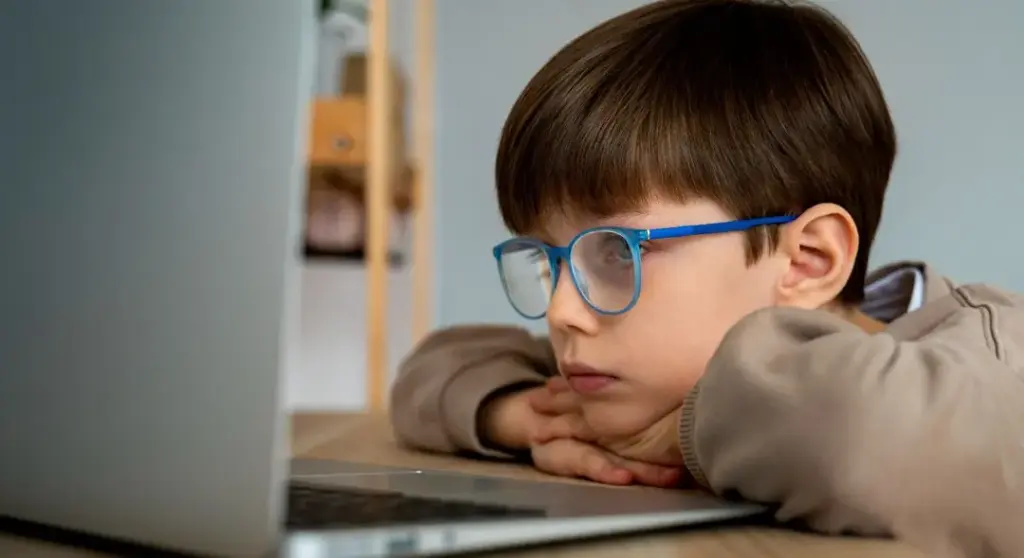
Do Blue Light Filter Glasses Work?
Blue light filter glasses reduce some blue light from screens. Many parents choose them because their children spend hours on computers and tablets.
However, there is an important difference between reducing blue light and reducing eye strain.
Current research does not show strong evidence that blue light filter lenses reduce digital eye strain. They also have not been shown to protect children’s eyes from screen damage.
So, why do some people find them helpful?
Some people prefer how these lenses look or feel. In addition, certain lens options may reduce glare or improve visual comfort. However, these effects depend on the lens and the person.
Blue light exposure in the evening may also affect sleep. Still, blue light glasses are not a proven way to prevent sleep problems.
For better sleep, start with simple habits. Dim the lights, stop screen use before bed, and keep devices out of the bedroom when possible.
The bottom line: Blue light filter glasses may suit some families, but they are not a must-have for every child. Good screen habits and regular eye exams matter more.
5 Simple Ways to Protect Kids’ Eyes During Screen Time
Small changes can make screen use more comfortable. Try these five habits at home.
1. Follow the 20-20-20 Rule
Every 20 minutes, look at something about 20 feet away for 20 seconds. This gives the eyes a short break from close-up work.
2. Encourage Outdoor Play
Outdoor time gives kids a break from screens and close-up tasks. It may also help lower the risk of developing myopia.
Aim for regular outdoor time each day, when possible.
3. Keep Screens at a Comfortable Distance
Avoid holding phones and tablets too close. Place computer screens about an arm’s length away when practical. The top of the screen should sit at or slightly below eye level.
For younger children, choose a setup that allows them to sit comfortably without leaning forward.
4. Make Blinking a Habit
Kids may blink less while using screens. As a result, their eyes can feel dry or tired.
Remind them to blink fully and take short breaks. If discomfort continues, an eye care professional can check for dry eye or other causes.
5. Schedule Regular Eye Exams
Children may not know when their vision is blurry. They may simply move closer to a screen or struggle with schoolwork.
Regular eye exams can help detect vision problems early. They also give parents a chance to ask about computer glasses, myopia control, and other options.
Help Your Kids Build Healthier Screen Habits
Screens are part of modern childhood. However, the goal is balance, not necessarily avoiding screens altogether.
Set age-appropriate limits. Make time for outdoor play. Also, build breaks into homework and gaming.
Computer glasses may help when a child needs vision correction or support for a specific screen distance. Blue light filter glasses, on the other hand, have limited evidence for easing eye strain or protecting eye health.
If your child has headaches, blurry vision, or tired eyes, do not assume screens are the only cause. An eye exam can help you understand what is happening and find the right solution.
Schedule your appointment at 1 of our 4 conveniently located offices in San Jose, San Mateo, San Ramon, and Juneau.