

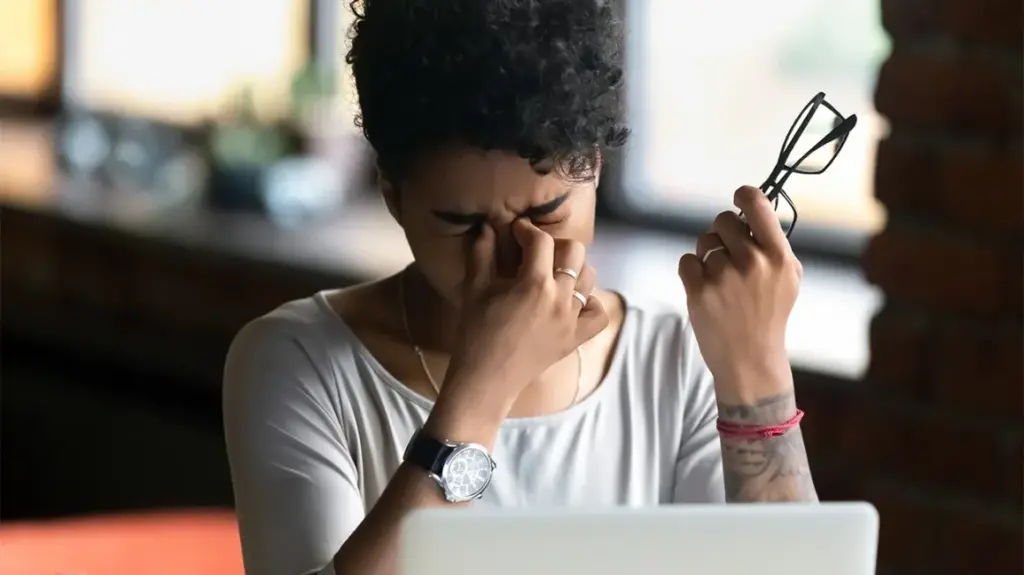
Reading should be an enjoyable and comfortable activity, but for some people, a few pages of a book, a long work document, or even time on a phone or tablet can lead to an uncomfortable headache. If you regularly experience headaches while reading, you may wonder whether the problem is your eyes, your vision, or something else entirely.
In many cases, headaches associated with reading can be related to visual demands. Your eyes work continuously to focus, coordinate, and adjust as you read. When your vision system is working harder than it should, you may experience eye strain, blurred vision, tired eyes, or headaches.
The good news is that an eye examination can help identify whether an underlying vision problem may be contributing to your symptoms.
What Causes Headaches When Reading?
There are several possible reasons you may develop headaches during or after reading. Some are related to your vision, while others may be associated with how and where you read.
An Outdated or Incorrect Prescription
One of the most common reasons for reading-related eye strain is an eyeglass or contact lens prescription that is no longer meeting your visual needs.
Even a relatively small change in your prescription can make reading more demanding. Your eyes may work harder to keep words clear, especially when reading small print or switching between different viewing distances.
If you wear glasses or contact lenses and have started experiencing headaches while reading, it may be time to have your prescription checked.
Uncorrected Farsightedness
Farsightedness, also called hyperopia, can make it difficult for the eyes to focus on nearby objects. Some people with mild farsightedness can compensate by using their focusing system more intensely.
That extra effort may not be noticeable at first. However, after reading for an extended period, you may develop tired eyes, difficulty maintaining clear vision, or a headache.
An eye examination can determine whether farsightedness or another refractive error is affecting your near vision.
Problems With How Your Eyes Work Together
Reading requires both eyes to work as a coordinated team. Your eyes need to aim at the same location and maintain comfortable alignment as you move from word to word.
Sometimes, a person’s eyes have difficulty coordinating efficiently at close distances. These problems can contribute to symptoms such as headaches, eye fatigue, double vision, blurred words, or difficulty concentrating while reading.
These issues aren’t always obvious during everyday activities. A comprehensive eye examination can evaluate more than simply whether you can see clearly from a distance. Your optometrist can also assess aspects of your near vision and how your eyes function together.

Eye Strain From Digital Devices
Many people now spend hours reading on computers, tablets, and smartphones. Extended screen use can contribute to digital eye strain.
When using a digital device, you may blink less frequently, stare at the screen for long periods, and repeatedly focus at a relatively close distance. Glare, reflections, poor lighting, and an uncomfortable viewing distance can make the experience even more demanding.
Digital eye strain may cause tired or irritated eyes, blurred vision, difficulty focusing, neck or shoulder discomfort, and headaches.
Taking regular breaks can help. A simple strategy is the 20-20-20 rule: every 20 minutes, look at something about 20 feet away for at least 20 seconds. This gives your eyes a chance to relax their near focus.
Lighting Can Make a Difference
The environment where you read can also affect your comfort.
Reading in very dim lighting may cause your eyes to work harder to see the page, while bright overhead lighting or glare reflected from a screen can be uncomfortable. Position your reading material so that you have adequate, even lighting without direct glare.
If you frequently get headaches despite making these adjustments, however, don’t assume that lighting is the only explanation. Persistent symptoms deserve a professional evaluation.
Could It Be Presbyopia?
For adults, especially those in their 40s and beyond, a common cause of increasing difficulty with close-up tasks is presbyopia. This is a normal age-related change in the eye’s ability to focus on nearby objects.
You may notice that small print is becoming harder to read, that you need to hold reading material farther away, or that your eyes feel tired after reading. Headaches can also occur when your eyes are working harder to maintain a clear image.
Reading glasses, prescription lenses, or other vision correction options may help, depending on your individual needs.
Signs You Should Have Your Eyes Checked
A headache doesn’t necessarily mean you have an eye problem. Headaches can have many possible causes, including stress, dehydration, lack of sleep, allergies, and other health conditions.
However, it is worth scheduling an eye examination if headaches regularly occur during or after reading, particularly if you also experience:
- Blurred or fluctuating vision
- Tired or sore eyes
- Double vision
- Needing to move reading material closer or farther away
- Increased sensitivity to light
An optometrist can evaluate your vision and determine whether refractive error, focusing difficulties, eye coordination, or another visual issue may be contributing to your symptoms.
Why Routine Comprehensive Eye Exams Matter
Even if you think your vision is “fine,” routine comprehensive eye exams are an important part of maintaining healthy eyes and comfortable vision.
An eye exam isn’t simply about determining whether you need stronger glasses. Your optometrist evaluates how well you see at different distances and checks the health of your eyes. Depending on your age, symptoms, and individual risk factors, an examination may help detect eye conditions before noticeable vision changes occur.
If it has been a while since your last eye exam, or if you’re experiencing recurring headaches when reading, consider scheduling a routine comprehensive eye exam with our optometry office.
During your appointment, be sure to tell your optometrist about your headaches and when they occur. Details such as whether they happen after reading for a few minutes or several hours, whether they improve when you stop reading, and whether you experience blurred or double vision can provide useful information.
Simple Ways to Make Reading More Comfortable
While an eye examination can help identify underlying vision issues, a few everyday habits may also reduce eye strain:
- Take regular breaks. Follow the 20-20-20 rule when using a computer or other digital device.
- Improve your lighting. Use comfortable, even lighting and reduce glare on screens.
- Keep screens at a comfortable distance. Avoid holding phones or tablets extremely close to your face.
- Remember to blink. Conscious blinking can help keep your eyes comfortable during prolonged screen use.
- Adjust your text size. Increasing the font size can make reading easier and may reduce the tendency to squint.
- Stay hydrated and get enough rest. General health and fatigue can influence how comfortable you feel while reading.
These steps can help, but they shouldn’t replace an eye examination when symptoms are persistent or recurring.
Don’t Ignore Recurring Reading-Related Headaches
Getting an occasional headache after a long day of reading doesn’t necessarily indicate a serious problem. But if reading consistently triggers headaches or makes your eyes feel tired and uncomfortable, your vision may be playing a role.
The cause could be something relatively simple, such as an outdated prescription, or it could involve how your eyes focus and work together. A comprehensive eye exam can help your optometrist determine what may be contributing to your symptoms and whether vision correction or other recommendations could improve your comfort.
Are headaches making reading difficult? Schedule a routine comprehensive eye exam with our optometry office. We can evaluate your vision, discuss your symptoms, and help you find out whether an underlying vision issue may be contributing to your reading-related discomfort.
Your eyes shouldn’t have to work harder than necessary just to get through a few pages. If reading regularly leaves you with a headache, make an appointment and give your eyes the attention they deserve. Schedule your appointment at 1 of our 4 conveniently located offices in San Jose, San Mateo, San Ramon, and Juneau.