

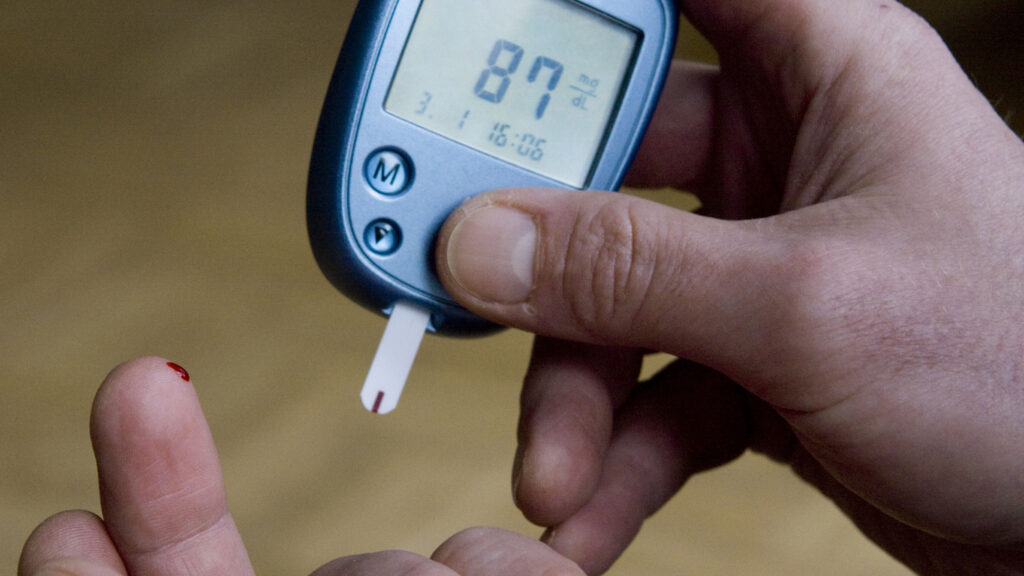
Living with diabetes often means juggling a lot of responsibilities. Between checking blood sugar levels, managing medications, eating healthier, staying active, and keeping up with doctor appointments, it can feel like there is always something to monitor. In the middle of all that, eye exams are easy to push down the priority list.
After all, if your vision seems fine, it is tempting to think your eyes are healthy too. But that is exactly what makes diabetes-related eye problems so dangerous. Many eye conditions linked to diabetes develop quietly, without pain or obvious symptoms in the beginning. By the time changes in vision become noticeable, damage may already be serious.
That is why regular eye exams are one of the most important things people with diabetes can do for their long-term health. They are not just about updating a prescription for glasses, they are about protecting your ability to see, work, drive, read, and enjoy everyday life.
Diabetes and Your Eyes: What’s the Connection?
Diabetes affects blood sugar levels, but its impact goes far beyond that. Over time, high blood sugar can damage blood vessels throughout the body, including the tiny, delicate vessels in the eyes. Your eyes rely on healthy blood flow to function properly. When those blood vessels become damaged, vision problems can develop.
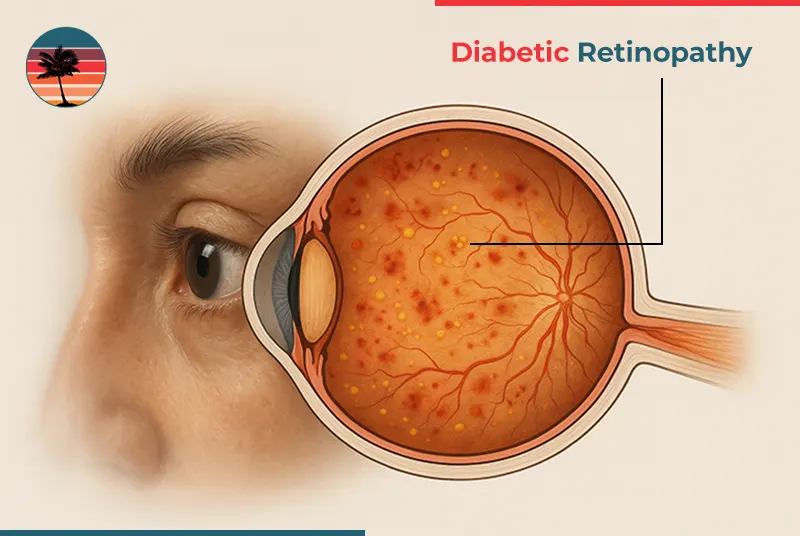
One of the most common conditions is diabetic retinopathy, which affects the retina, the part of the eye responsible for processing light and helping you see clearly. In the early stages, there may be no symptoms at all. But as the condition worsens, it can lead to blurry vision, dark spots, difficulty seeing at night, or even blindness. People with diabetes are also at higher risk for cataracts and glaucoma, both of which can affect vision and quality of life. The challenging part is that these problems can progress slowly and silently. Many people do not realize anything is wrong until the damage becomes harder to treat.
“My Vision Seems Fine” Isn’t Always Enough
A lot of people skip eye exams because they think good eyesight means healthy eyes. It is understandable. If you can read your phone, drive comfortably, and watch TV without issues, an eye appointment may not seem urgent. But diabetic eye disease does not always announce itself early on. Someone can have serious changes happening inside their eyes while still seeing normally day to day. That is why comprehensive eye exams are so important. Eye doctors can detect tiny changes in the blood vessels long before vision problems start.
In many cases, catching those changes early can prevent permanent vision loss. Think of it this way: eye exams are not only about how well you can see now, they are about protecting how well you will see in the future.
The Reality of Vision Loss
Most people do not think much about their eyesight until something changes. Imagine struggling to read a text message, recognize a familiar face from across the room, or drive safely at night. Even small vision problems can affect confidence and independence. For people with diabetes, vision loss can make daily routines much harder. Tasks like cooking, working, shopping, exercising, or managing medications may suddenly become more stressful.
Beyond the physical challenges, vision problems can also take an emotional toll. Losing the ability to do things independently can lead to frustration, anxiety, or fear about the future. The encouraging news is that many diabetes-related eye conditions are manageable, especially when they are caught early.
Eye Exams Can Catch Problems Before You Notice Them
One of the biggest benefits of regular eye exams is early detection. During a diabetic eye exam, the doctor looks closely at the back of the eye to check for leaking blood vessels, swelling, pressure changes, or signs of damage. These exams can reveal issues long before symptoms appear.
Many people are surprised to learn that eye doctors can sometimes spot signs of diabetes complications before other symptoms show up elsewhere in the body. Early detection often means simpler treatments, better outcomes, and a greater chance of preserving vision. Without regular exams, people may not realize there is a problem until vision loss has already begun.
What Happens During a Diabetic Eye Exam?
If you have been putting off an eye exam because you are unsure what to expect, the process is usually straightforward and painless. The appointment often begins with a basic vision test to check how clearly you can see. Your eye doctor may also ask questions about your health history, medications, and blood sugar control.
One of the most important parts of the exam is pupil dilation. Eye drops are used to widen the pupils so the doctor can examine the retina and blood vessels more closely. While the drops can make your eyes sensitive to light for a few hours, the exam itself is generally quick and comfortable. Some clinics also use advanced imaging technology to take detailed pictures of the retina. These images help track even small changes over time. For many people, the most difficult part of the appointment is simply remembering to schedule it.
How Often Should Someone With Diabetes Get an Eye Exam?
For most people with diabetes, a comprehensive eye exam once a year is recommended. However, some individuals may need more frequent visits depending on their blood sugar levels, existing eye conditions, pregnancy, or overall health.Even if everything looks healthy, yearly exams are still important because eye changes can happen gradually. Skipping appointments because “nothing feels wrong” can allow silent damage to progress unnoticed. Consistency matters. Protecting vision is much easier than trying to restore it after serious damage occurs.
Small Daily Habits Make a Big Difference
Eye health is closely connected to overall diabetes management. While regular eye exams are essential, everyday habits also play a major role in protecting vision. Keeping blood sugar within target range can significantly reduce the risk of diabetic eye disease. The same goes for managing blood pressure and cholesterol levels. Healthy lifestyle habits may not feel dramatic in the moment, but over time they can have a powerful impact on long-term vision.
Some helpful habits include:
- Eating balanced meals
- Staying physically active
- Taking medications as prescribed
- Drinking enough water
- Avoiding smoking
- Getting enough sleep
- Keeping up with medical appointments
These choices support not only eye health, but overall well-being too.
The Emotional Side of Diabetes Care
Managing diabetes can sometimes feel exhausting. There are constant reminders, appointments, routines, and health concerns to think about. Because of that, preventive care like eye exams may start to feel optional or easy to postpone. But taking care of your eyes is not just another task on a checklist. It is part of protecting your independence, your confidence, and your future. Many people who experience diabetes-related vision problems say they wish they had understood earlier how important routine eye care was. Scheduling an exam may seem small today, but it can make a major difference years down the road.
Technology Has Improved Eye Care Tremendously
The good news is that diabetic eye care has advanced significantly over the years. Modern imaging tools can detect tiny changes in the eyes earlier than ever before. Treatments have also become more effective and less invasive. Today, doctors can often slow or stop the progression of diabetic eye disease through medications, laser treatments, or specialized injections. While these advancements are encouraging, early detection is still the key. Treatments tend to work best before major vision loss occurs. That is another reason regular eye exams matter so much.
Warning Signs You Should Never Ignore
Even if you keep up with annual exams, it is important to pay attention to changes in your vision.
You should contact an eye doctor if you notice:
- Blurry vision
- Floaters or dark spots
- Trouble seeing at night
- Sudden vision changes
- Dark areas in your vision
- Difficulty focusing
- Colors appearing faded
These symptoms do not always mean serious damage has occurred, but they should always be checked promptly.
Protecting Your Vision Is Part of Protecting Your Life
When people think about diabetes complications, they often focus on blood sugar numbers, heart health, or kidney function. Eye health can sometimes be overlooked. But vision affects nearly every part of life. It influences how we work, communicate, travel, learn, and connect with the world around us. Losing vision can impact independence in ways many people never fully consider until it happens. The good news is that regular eye exams are one of the simplest and most effective ways to protect against serious complications. A single appointment each year can help detect problems early, preserve eyesight, and provide peace of mind.
Final Thoughts
Living with diabetes already requires commitment and daily attention. Adding another appointment to the calendar may not always feel convenient. But when it comes to eye health, prevention truly matters. Regular eye exams can catch problems before symptoms appear, protect long-term vision, and help people continue doing the things they love with confidence and independence. If you or someone you love is living with diabetes, consider eye exams an essential part of staying healthy, not just an optional extra. Your future self will thank you for taking the time to protect your sight today.
Schedule your appointment at 1 of our 4 conveniently located offices in San Jose, San Mateo, San Ramon, and Juneau.