

Contact lenses need proper care to keep your eyes healthy. This is especially true for biweekly and monthly lenses. Unlike daily contacts, these lenses are made for repeated use. However, you must clean them after each use.
Skipping this step can cause problems. Dirt, protein, oils, and germs can build up on your lenses. Over time, this buildup may lead to irritation, blurry vision, or an eye infection.
The good news is that cleaning your contacts is simple. With the right steps, you can keep your lenses clean and ready for the next day.
Why You Must Clean Contact Lenses Before Storing Them
After a long day, it may feel easier to take out your contacts and put them straight into their case. However, this can put your eyes at risk.
Throughout the day, your lenses collect more than you can see. These include:
- Germs: Bacteria and other germs can stick to your lenses.
- Protein: Your tears leave behind protein deposits that can build up over time.
- Oils and dirt: Makeup, skin oils, and dust can settle on your lenses.
- Debris: Small particles can make your lenses feel uncomfortable.
If you store your lenses without cleaning them, some of this buildup may remain. As a result, your lenses may feel dry, look cloudy, or irritate your eyes.
More importantly, dirty lenses can raise your risk of an eye infection. Therefore, always clean and disinfect your lenses before storing them.
How to Clean Biweekly and Monthly Contact Lenses
Follow these steps each time you remove your reusable contacts. Always check your eye doctor’s instructions and the directions on your contact lens solution.
Step 1: Wash and Dry Your Hands
First, wash your hands with soap and water. Then, dry them with a clean, lint-free towel.
This step matters because your hands can transfer germs, dirt, and oils to your lenses. Also, avoid using lotions right before handling your contacts.
Step 2: Remove One Contact Lens
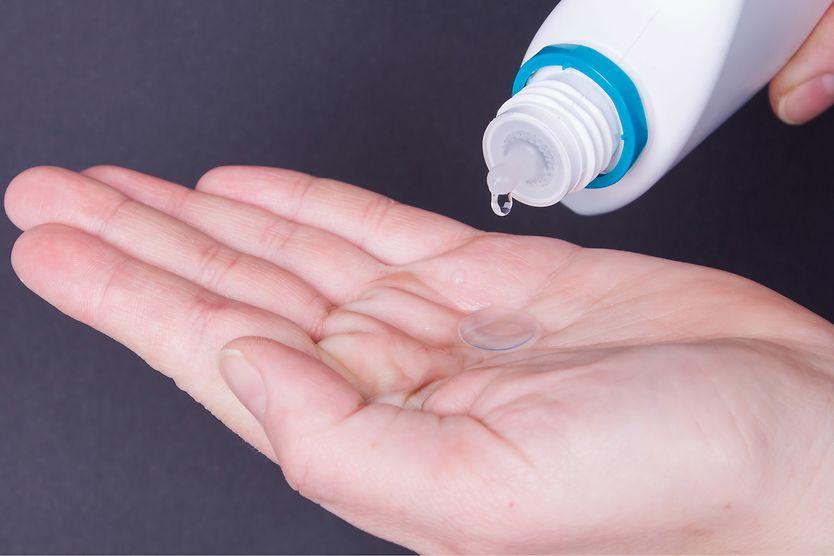
Next, remove one lens and place it in the palm of your clean hand.
Be gentle. Contact lenses are thin and can tear if you handle them roughly. Also, keep your lens away from tap water, as it can contain harmful germs.
Step 3: Rub the Lens With Contact Lens Solution
Add a few drops of fresh, recommended contact lens solution to the lens. Then, gently rub both sides with your fingertip for the amount of time listed on the solution label.
Even if your solution says “no rub,” rubbing your lenses as directed by your eye care provider can help remove deposits.
Never use water, saliva, or homemade salt water to clean your contacts. These are not safe substitutes for contact lens solution.
Step 4: Rinse the Lens
After rubbing, rinse both sides of the lens with fresh contact lens solution.
This helps wash away loosened dirt, protein, and other debris. Do not rinse your lenses with tap water or reuse old solution.
Step 5: Store Your Lenses in Fresh Solution
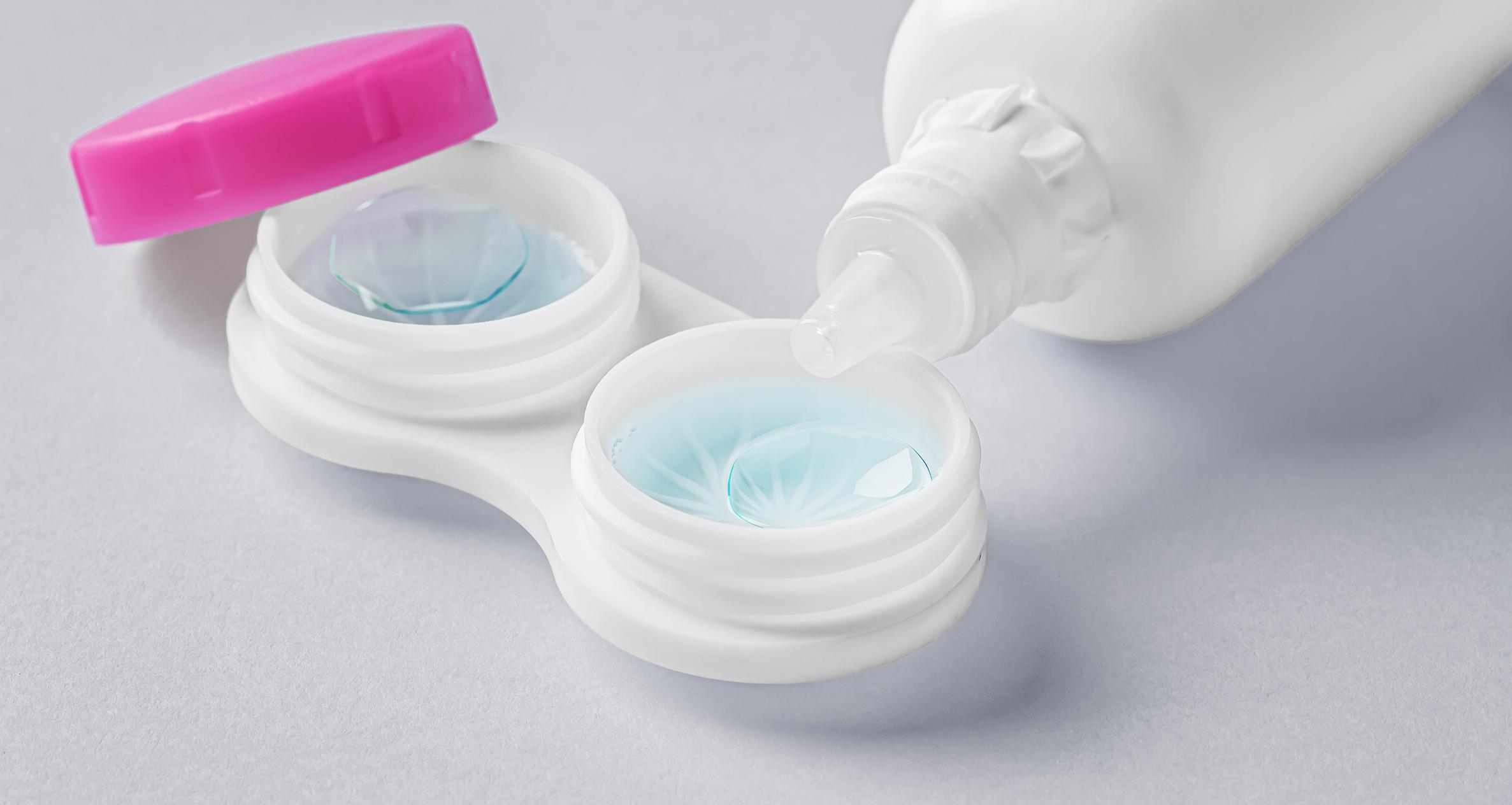
Place the clean lens in a clean contact lens case. Then, fill the case with fresh disinfecting solution up to the level recommended by the product instructions.
Repeat the same steps for your other lens.
Finally, close the case and let your lenses soak for the full time listed on the solution label. This gives the solution time to disinfect them properly.
Important: Never top off old solution with fresh solution. Always empty the case and refill it with new solution each time.
How to Clean Your Contact Lens Case
Your lens case needs care, too. Even clean lenses can become contaminated if you place them in a dirty case.
After you put your lenses in, follow these steps:
- Empty all the used solution from the case.
- Rub and rinse the case with fresh contact lens solution, following the product instructions.
- Let the case air-dry with the caps off in a clean area.
- Replace your case at least every three months, or as directed by your eye care provider or case manufacturer.
Never rinse your case with tap water. Also, avoid leaving old solution inside between uses.
How to Clean Biweekly vs. Monthly Contact Lenses
Both biweekly and monthly contacts need daily cleaning and disinfection. However, their replacement schedules are different.
- Biweekly contact lenses: Replace every two weeks, as directed.
- Monthly contact lenses: Replace every month, as directed.
For both types, clean and disinfect your lenses every time you remove them before storing them for reuse.
Also, do not wear your lenses longer than their approved replacement schedule. Cleaning helps remove deposits and germs, but it does not make old lenses safe to wear longer.
If your lenses feel uncomfortable or look cloudy, do not ignore the problem. Remove them and follow your eye care provider’s advice.
Common Mistakes When You Clean Contact Lenses
Even if you clean your lenses every day, a few habits can put your eyes at risk.
Reusing Old Contact Lens Solution
Used solution loses its ability to disinfect your lenses properly. Therefore, always use fresh solution.
Do Not Use Tap Water
Tap water can contain germs that may cause serious eye infections. Keep your lenses and case away from water, including when showering or swimming.
Skipping the Rub Step
Unless your eye care provider or solution instructions advise otherwise, rubbing your lenses helps remove deposits that rinsing alone may leave behind.
Sleeping in Your Contacts
Do not sleep in your contacts unless your eye doctor has specifically approved overnight wear for your lenses. Sleeping in contacts can raise your risk of eye infections.
Wearing Contacts Past Their Replacement Date
A clean lens can still be too old to wear. Follow the replacement schedule for your specific lenses, even if they look and feel fine.
When to Clean and Replace Contact Lenses
Replace your lenses according to the schedule set by your eye doctor and the manufacturer. Do not wait until they look dirty or feel uncomfortable.
Also, keep an eye out for warning signs. If you notice redness, pain, light sensitivity, unusual discharge, or sudden blurry vision, remove your lenses right away and seek prompt eye care. These symptoms can signal an infection or another eye problem.
Keep Your Eyes Healthy With Proper Contact Lens Care
Cleaning your biweekly and monthly contact lenses does more than keep them clear. It helps remove buildup, supports proper disinfection, and lowers the risk of eye infections.
The key is to follow the same routine every day: wash your hands, rub and rinse your lenses as directed, and store them in fresh solution. In addition, keep your case clean and replace your lenses on time.
A few extra minutes each night can make a big difference in your eye health.
If you have questions about your contact lens routine, ask your eye care provider for advice based on your lenses and solution.
Schedule your appointment at 1 of our 4 conveniently located offices in San Jose, San Mateo, San Ramon, and Juneau.