

Ever feel like you’re seeing an old TV screen filled with tiny dots? If you notice specks, flickers, or grain across your vision, you may be experiencing visual static. Bright lights can make it even harder to focus and may trigger eye strain or migraines. The good news? The right glasses tint may help soften harsh light and make everyday tasks more comfortable.
Tinted glasses can change how much light reaches your eyes and how you respond to certain colors. As a result, some people find it easier to read, work, or spend time under bright lights.
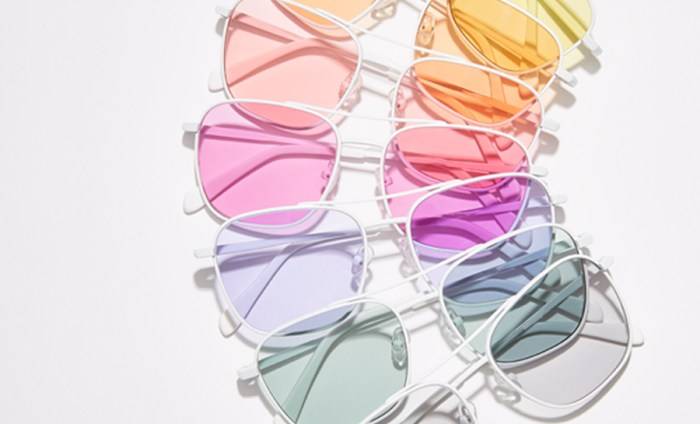
Pink, blue, green, and yellow tints each filter light in a different way. The best choice depends on your symptoms, your light sensitivity, and what you do each day.
What Is Visual Static?
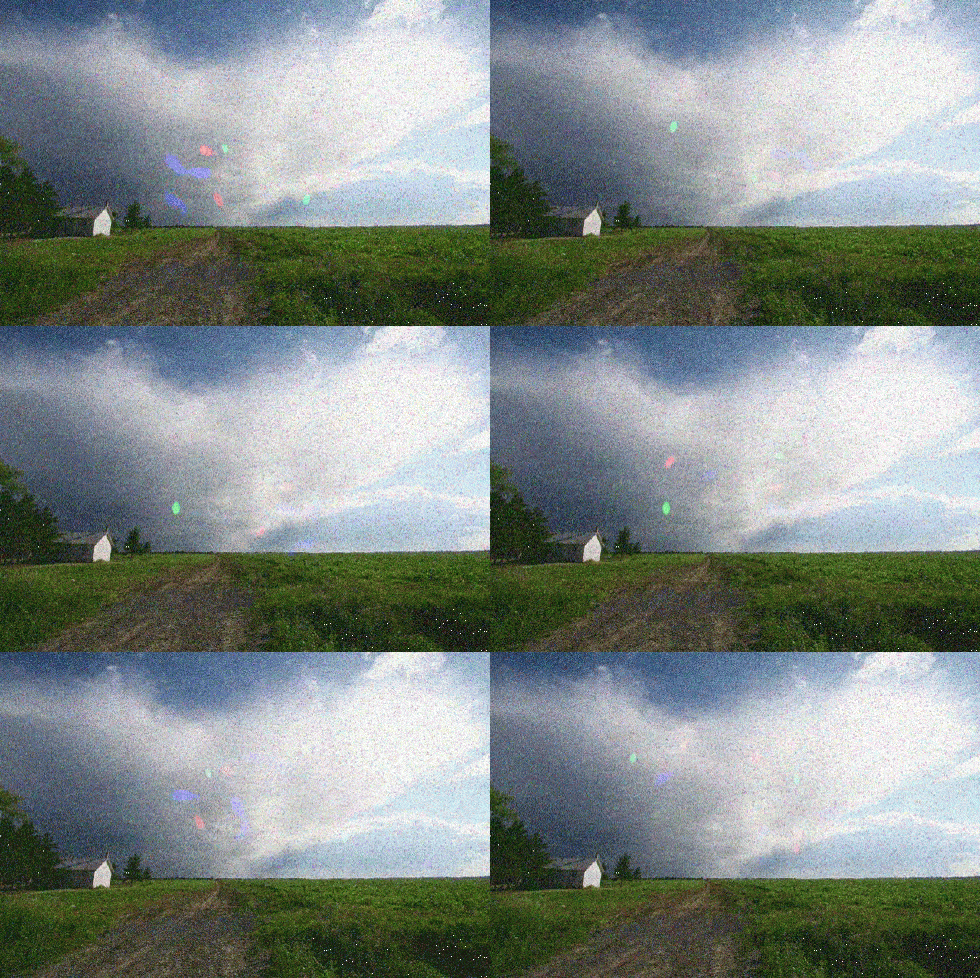
Visual static is the name people often use for tiny dots or grain that seem to cover their vision. It can look a bit like the snow on an old TV screen. Some people notice it against a dark wall, while others see it all the time.
Visual static may appear as:
- Tiny flickering dots across your field of vision
- A grainy layer over objects or text
- More noticeable dots in dim light or against plain surfaces
- Trouble seeing clearly when looking at bright screens
- Extra sensitivity to light, glare, or busy patterns
However, visual static is not the same for everyone. Some people notice it only in certain settings. Others see it even when their eyes are closed.
When static is constant and affects most of your vision, it may be a sign of a condition called visual snow syndrome. This condition can also cause light sensitivity, afterimages, and trouble seeing at night.
Still, not all visual disturbances are visual snow syndrome. Migraines, eye conditions, and other health issues can also affect how you see.
What Causes Visual Static?
Your eyes collect light and send signals to your brain. Then, your brain turns those signals into the images you see.
Visual static may occur when the brain’s visual system processes signals in an unusual way. In people with visual snow syndrome, researchers suspect that parts of this system may be more active or respond differently than expected. However, the exact cause is still being studied.
Light sensitivity can also play a role. For some people, bright lights, fluorescent bulbs, computer screens, or strong contrast make visual symptoms more noticeable.
In addition, migraines can affect how the brain handles light and visual signals. Some people see flashing lights, zigzags, or blind spots before or during a migraine. These symptoms are called migraine aura, and they are different from constant visual static.
Because several conditions can cause similar symptoms, a proper eye exam is an important first step.
How Can Tinted Glasses Help?
Tinted lenses filter certain wavelengths of light. In simple terms, they change the mix of light that passes through your glasses.
This may make bright spaces feel less harsh. It can also reduce discomfort from glare or help some people with light sensitivity feel more at ease.
For example, a person who gets eye strain under bright office lights may feel better with a soft tint. Someone who finds white screens too intense may prefer a lens that makes the light feel less sharp.
Certain tints, including specialized FL-41 rose tints, have also been studied for light sensitivity linked to migraines. Some people report fewer symptoms or greater comfort when using them.
However, results vary. Tinted glasses do not cure visual snow syndrome or migraines, and there is no single tint that works for everyone. Research on specific colors is still developing, so the best option is the one that helps your symptoms without making your vision darker or less clear.
Which Lens Tints May Help With Visual Static?
Different tints filter light in different ways. Although color alone cannot predict how well a lens will work, each option may suit certain visual needs.
Pink Tints: For Light Sensitivity and Migraines
Pink and rose tints are often considered by people who find bright light painful or overwhelming. A specialized rose tint called FL-41 filters parts of the blue-green range of light.
Some studies suggest that FL-41 lenses may help reduce light discomfort in certain people with migraines or other forms of light sensitivity. They may also make indoor lighting more comfortable.
For example, if fluorescent lights trigger discomfort or screens seem too bright, a rose tint may be worth trying.
Keep in mind that ordinary pink cosmetic lenses are not the same as FL-41 lenses. Their light-filtering properties can vary, so the shade alone does not guarantee the same effect.
Blue Tints: For Certain Visual Comfort Needs
Blue tints change the way light colors appear and may reduce some forms of glare, depending on the lens design. However, blue lenses are not a proven treatment for visual static or migraines.
In fact, some blue tints can make other colors look different or reduce contrast in certain settings. Therefore, they may not be the best choice for every person with light sensitivity.
If you are considering blue lenses, focus on how they affect your comfort and clarity in the places where you need them most. A lens trial can help you compare them with other options.
Green Tints: For Balanced, Comfortable Vision
Green tints can reduce some visible light while keeping many colors looking fairly natural. Depending on their shade and light transmission, they may help some people feel more comfortable in bright environments.
Some people with migraines also prefer green light because certain green wavelengths may cause less discomfort than other colors. However, research on green-light therapy is not the same as research on green-tinted glasses.
As a result, green lenses may be worth testing if bright surroundings feel overwhelming. Still, they are not a proven treatment for constant visual static.
Yellow Tints: For Contrast in Certain Settings
Yellow tints filter some blue light and can make certain scenes appear warmer. Some people find that this improves perceived contrast in specific conditions, such as overcast weather.
However, yellow lenses do not always improve visual clarity. They can also change color perception and may reduce the amount of light that reaches your eyes.
For this reason, yellow tints are not an established treatment for visual snow or migraines. They may suit some comfort needs, but the results depend on the lens and the setting.
Can Tinted Glasses Ease Visual Static and Migraines?
Light sensitivity is common in people with migraines. Even normal indoor lighting can feel painful during an attack. Because of this, some people use tinted lenses to make daily activities more comfortable.
FL-41 rose lenses have received attention because they filter specific wavelengths linked to visual discomfort. Some research suggests they may help certain people with migraine-related light sensitivity. However, the evidence is still limited, and results differ from person to person.
Green light has also been studied for its possible effect on migraine pain. Yet studies of controlled green light do not prove that wearing green-tinted glasses will prevent migraines.
In other words, a tint may help manage light discomfort, but it should not replace medical care or prescribed migraine treatment. If migraines are frequent or affect your daily life, speak with a health professional about a full treatment plan.
How to Choose the Right Tint
The best tint is not always the darkest one or the color that looks best in the mirror. Instead, it should help you feel comfortable while keeping your vision clear.
Before choosing a tint, think about these questions:
- When do symptoms start? Notice whether screens, sunlight, overhead lights, or dark rooms make them worse.
- What bothers you most? Glare, eye strain, headaches, and constant static may need different approaches.
- Where will you wear the glasses? A tint that feels good indoors may not work well for driving or low-light settings.
- Does the tint change your clarity? Test whether text looks sharper, the light feels softer, or your symptoms stay the same.
Whenever possible, compare different tints in the setting where your symptoms occur. An eye care professional can help you choose a lens that balances comfort, contrast, and color accuracy.
When Should You Get Your Eyes Checked?
If you often see visual static, flashing lights, spots, or other unusual changes, schedule an eye exam. An eye care professional can check for eye conditions and help determine whether you need further medical evaluation.
Visual symptoms that start suddenly should not be brushed off. Seek urgent medical care if you have a sudden increase in floaters, flashes, a curtain or shadow over your vision, sudden vision loss, or new visual symptoms with weakness or trouble speaking.
These signs can point to a serious problem and need prompt attention.
Find a Tint That Works for Your Vision
Visual static and light sensitivity can make everyday tasks feel harder than they should. Fortunately, tinted lenses may offer added comfort for some people, depending on the cause of their symptoms.
Pink FL-41 lenses may be worth exploring for migraine-related light sensitivity. Green lenses may feel more comfortable for some people who are sensitive to light. Blue and yellow tints may suit certain visual preferences, but neither is a proven treatment for visual static.
Most importantly, the right choice should be based on your symptoms, not color alone. With a proper eye exam and a chance to compare lens options, you can find out whether a tint helps you see and feel more comfortable.
Schedule your appointment at 1 of our 4 conveniently located offices in San Jose, San Mateo, San Ramon, and Juneau.