

Your eyes work tirelessly every day, allowing you to read, drive, work, and enjoy the world around you. While regular comprehensive eye exams are essential for maintaining healthy vision, what you eat also plays an important role in supporting your eyes throughout every stage of life.
A balanced diet rich in vitamins, minerals, antioxidants, and healthy fats can help protect your eyes from oxidative stress, reduce inflammation, and support the structures responsible for clear vision. Although no single food can prevent all eye diseases or restore lost eyesight, good nutrition is an important part of a healthy lifestyle that benefits both your eyes and your overall well-being.
In this guide, we’ll explore the best foods for eye health, the nutrients your eyes need most, and simple ways to build an eye-friendly diet that supports long-term vision.
Why Nutrition Matters for Eye Health
Your eyes require a constant supply of oxygen and nutrients to function properly. Like the heart and brain, they depend on healthy blood vessels and a steady intake of vitamins and antioxidants to protect delicate tissues from damage.
Over time, exposure to ultraviolet (UV) light, aging, smoking, poor diet, and certain chronic health conditions can contribute to oxidative stress, which may increase the risk of age-related eye diseases.
Eating a variety of nutrient-rich foods helps support:
- Healthy retinas
- Strong blood vessels
- Tear production
- Night vision
- Protection from oxidative damage
- Healthy aging of the eyes
Nutrition works best when combined with other healthy habits, including regular eye exams, wearing UV-protective sunglasses, managing chronic conditions such as diabetes and high blood pressure, and avoiding tobacco use.
Key Nutrients That Support Eye Health
Rather than relying on a single “superfood,” focus on consuming a variety of nutrients that work together to support healthy vision.
Lutein and Zeaxanthin
Lutein and zeaxanthin are carotenoids that naturally accumulate in the retina, particularly in the macula—the part of the eye responsible for sharp central vision.
These antioxidants help filter harmful blue light and protect retinal cells from oxidative damage.
Best Food Sources
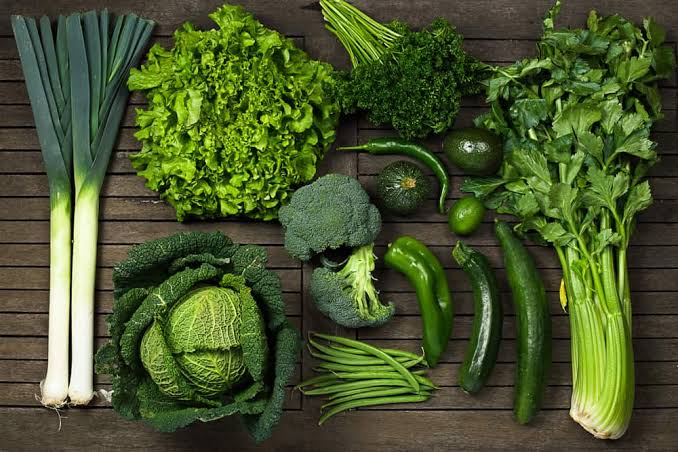
- Kale
- Spinach
- Broccoli
- Peas
- Corn
- Egg yolks
Dark leafy greens are among the richest natural sources of lutein and zeaxanthin.
Vitamin A
Vitamin A plays a critical role in maintaining healthy vision, especially in low-light conditions. It supports the function of the retina and helps maintain the health of the cornea—the clear front surface of the eye. A deficiency in vitamin A can lead to night blindness and dry eyes.
Foods Rich in Vitamin A
- Sweet potatoes
- Carrots
- Pumpkin
- Butternut squash
- Spinach
- Kale
- Cantaloupe
Orange and dark green vegetables contain beta-carotene, which the body converts into vitamin A.
Vitamin C
Vitamin C is a powerful antioxidant that supports healthy blood vessels within the eyes.
It also helps the body produce collagen, an important structural protein found in the cornea and other eye tissues.
Excellent Sources
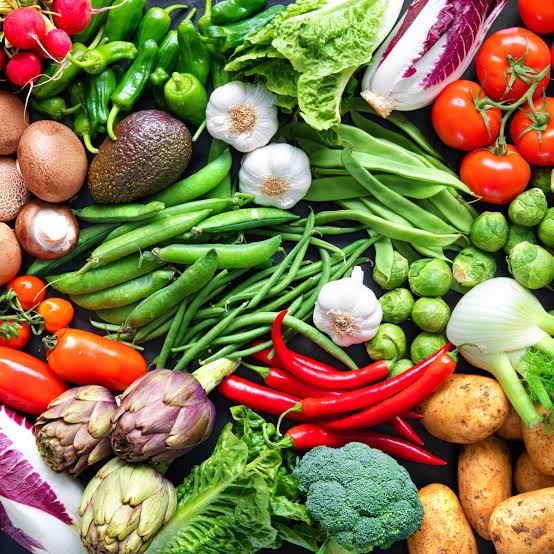
- Oranges
- Grapefruit
- Strawberries
- Kiwi
- Bell peppers
- Tomatoes
- Broccoli
- Brussels sprouts
Fresh fruits and vegetables provide the highest amounts of vitamin C.
Vitamin E
Vitamin E helps protect eye cells from free radical damage caused by aging and environmental factors. Foods containing vitamin E also support heart health, which benefits blood circulation to the eyes.
Best Sources
- Almonds
- Sunflower seeds
- Hazelnuts
- Peanuts
- Avocados
- Wheat germ
- Spinach
A small handful of nuts makes an excellent eye-healthy snack.
Omega-3 Fatty Acids
Omega-3 fatty acids are essential fats that support retinal function and healthy tear production. They are especially important for people who experience dry eye symptoms.
Foods High in Omega-3s
- Salmon
- Sardines
- Mackerel
- Tuna
- Herring
- Chia seeds
- Flaxseed
- Walnuts
Aim to include fatty fish in your meals at least twice a week whenever possible.
Zinc
Zinc helps transport vitamin A from the liver to the retina, where it supports healthy vision. Low zinc levels may affect night vision and overall retinal health.
Zinc-Rich Foods
- Lean beef
- Oysters
- Poultry
- Pumpkin seeds
- Chickpeas
- Lentils
- Dairy products
- Whole grains
Foods That Help Dry Eyes
While diet alone won’t cure dry eye disease, certain foods support healthy tear production.
Include more:
- Salmon
- Sardines
- Walnuts
- Chia seeds
- Flaxseed
- Avocados
Staying hydrated throughout the day also supports tear production.
Can Diet Help Prevent Eye Diseases?
Nutrition is one important piece of maintaining healthy vision, but it’s not a guarantee against eye disease. A healthy diet may help support eye health and, together with other healthy habits, may reduce the risk of certain age-related conditions.
Cataracts
Research suggests that diets rich in fruits, vegetables, and antioxidant vitamins may help support overall eye health as you age. Protecting your eyes from UV light and avoiding smoking are also important for reducing cataract risk.
Age-Related Macular Degeneration (AMD)
Certain nutrients—including lutein, zeaxanthin, vitamins C and E, zinc, and omega-3 fatty acids—play important roles in retinal health. For people with specific stages of AMD, an eye care professional may recommend specialized nutritional supplements based on clinical evidence.
Dry Eye Disease
Healthy fats, adequate hydration, and an anti-inflammatory diet may improve comfort for some people experiencing dry eye symptoms.
Diabetic Eye Disease
For individuals with diabetes, managing blood sugar through a healthy eating pattern is one of the best ways to support overall eye health and reduce the risk of diabetes-related vision complications.
Foods to Limit for Better Eye Health
A healthy eating pattern isn’t just about adding nutritious foods—it also involves limiting foods that may negatively affect overall health.
Consider reducing:
- Sugary beverages
- Highly processed snacks
- Excessive sodium
These foods can contribute to conditions such as obesity, diabetes, and high blood pressure, which may increase the risk of certain eye problems over time.
Easy Meal Ideas for Healthy Vision
Incorporating eye-friendly foods doesn’t have to be complicated.
Breakfast
- Vegetable omelet with spinach and bell peppers
- Greek yogurt with blueberries and walnuts
- Whole-grain toast with avocado
Lunch
- Kale salad with grilled salmon
- Lentil soup with mixed vegetables
- Turkey sandwich with leafy greens
Dinner
- Baked salmon with roasted broccoli and sweet potatoes
- Stir-fried vegetables with brown rice
- Grilled chicken with spinach salad
Healthy Snacks
- Almonds
- Carrot sticks
- Orange slices
- Apple with peanut butter
- Pumpkin seeds
Lifestyle Habits That Support Eye Health
Nutrition works best when combined with healthy daily habits.
Protect your vision by:
- Scheduling regular comprehensive eye exams
- Wearing UV-blocking sunglasses outdoors
- Not smoking
- Managing blood pressure and blood sugar
- Exercising regularly
- Sleeping seven to nine hours each night
- Staying hydrated
- Following the 20-20-20 rule during screen use
These habits support both eye health and overall wellness.
Frequently Asked Questions
What is the best food for eye health?
There isn’t a single “best” food. A diet rich in leafy greens, fatty fish, colorful fruits and vegetables, eggs, nuts, and whole grains provides a wide range of nutrients that support healthy vision.
Can eating carrots improve eyesight?
Carrots are an excellent source of beta-carotene, which the body converts into vitamin A. They support normal eye function, but they won’t eliminate the need for vision correction.
Which vitamin is most important for vision?
Several nutrients are essential, including vitamins A, C, and E, as well as lutein, zeaxanthin, zinc, and omega-3 fatty acids. Eating a varied diet helps ensure you get the full range of nutrients your eyes need.
Are supplements necessary?
Most people can obtain important eye nutrients through a balanced diet. However, some individuals—such as those with certain stages of age-related macular degeneration or nutritional deficiencies—may benefit from supplements recommended by their eye care professional. Always consult your healthcare provider before starting any new supplement.
Can food reverse vision loss?
No. While healthy eating supports eye health and may help reduce the risk of some age-related eye diseases, it cannot reverse vision loss caused by conditions such as glaucoma, advanced macular degeneration, or cataracts. Early detection and appropriate treatment remain essential.
Nourish Your Eyes for a Lifetime of Healthy Vision
The foods you choose every day can have a meaningful impact on your overall health—including your eyes. By eating a colorful, balanced diet rich in leafy greens, fatty fish, fruits, vegetables, nuts, seeds, legumes, and whole grains, you provide your eyes with the vitamins, minerals, and antioxidants they need to function at their best.
While nutrition is a powerful tool for supporting healthy vision, it should be part of a broader approach that includes regular comprehensive eye exams, UV protection, proper management of chronic health conditions, and healthy lifestyle habits. Together, these steps can help protect your eyesight and maintain clear, comfortable vision throughout every stage of life.
If it’s been more than a year since your last eye exam or you’ve noticed changes in your vision, schedule your appointment at 1 of our 4 conveniently located offices in San Jose, San Mateo, San Ramon, and Juneau.