

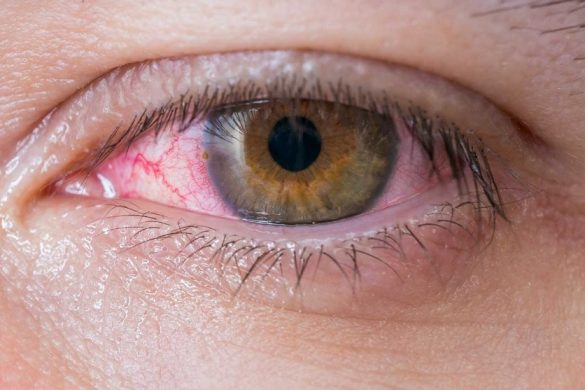
Vision is one of the most important senses, and sudden changes in eyesight can sometimes signal a serious medical emergency. While many eye conditions develop gradually and can be managed during routine eye examinations, some visual symptoms require immediate medical attention to prevent permanent vision loss or identify life-threatening health problems.
Understanding which visual symptoms are considered emergencies can help you act quickly when every minute matters. In many cases, prompt diagnosis and treatment significantly improve the chances of preserving vision and protecting your overall health.
Why Emergency Visual Symptoms Matter
The eyes are directly connected to the brain through the optic nerve and rely on a complex network of blood vessels and nerves. A sudden disruption to these structures can lead to irreversible damage if treatment is delayed. Some emergency eye symptoms are caused by conditions affecting only the eye, while others may indicate serious systemic diseases such as stroke, uncontrolled hypertension, diabetes, or neurological disorders.
If you experience sudden or severe vision changes, it is always safer to seek immediate medical evaluation rather than waiting for symptoms to improve.
1. Sudden Vision Loss
Sudden vision loss is one of the most serious eye emergencies. Vision may disappear completely or become partially blocked over seconds, minutes, or hours.
The loss may affect:
- One eye
- Both eyes
- Central vision
- Peripheral vision
Possible Causes
- Retinal detachment
- Central retinal artery occlusion
- Central retinal vein occlusion
- Stroke
- Optic neuritis
- Vitreous hemorrhage
- Giant cell arteritis
- Acute glaucoma
Why It’s an Emergency
Many causes of sudden vision loss become irreversible if treatment is delayed. Some conditions have only a few hours during which treatment may restore vision. Anyone experiencing sudden vision loss should seek emergency medical care immediately.
2. Sudden Flashes of Light
Seeing bright flashes of light, especially in one eye, may indicate traction on the retina.
Flashes often appear as:
- Lightning streaks
- Camera flashes
- Sparkles
- Brief bursts of light
When Flashes Are Concerning
Flashes become especially concerning when accompanied by:
- New floaters
- Vision loss
- A dark curtain over vision
- Peripheral vision changes
Possible Causes
- Posterior vitreous detachment
- Retinal tear
- Retinal detachment
A retinal tear can rapidly progress into retinal detachment, making immediate evaluation by an eye specialist essential.
3. Sudden Increase in Floaters
Floaters are tiny moving spots or cobweb-like shapes drifting across vision. Many people develop harmless floaters with age.
However, emergency evaluation is necessary when there is:
- A sudden shower of floaters
- Numerous new floaters
- Floaters combined with flashes
- Floaters with blurred vision
Possible Causes
- Retinal tear
- Vitreous hemorrhage
- Retinal detachment
Early treatment may prevent permanent vision loss.
4. A Curtain or Shadow Over Vision
One of the classic warning signs of retinal detachment is the appearance of a dark curtain, veil, or shadow moving across the visual field.
Patients often describe it as:
- A black curtain
- Gray shadow
- Missing area of vision
- Side vision disappearing
The curtain may gradually spread until central vision is affected.
Why This Is an Emergency
Retinal detachment permanently damages retinal tissue if left untreated.
Emergency surgery often offers the best chance of restoring vision.
5. Severe Eye Pain
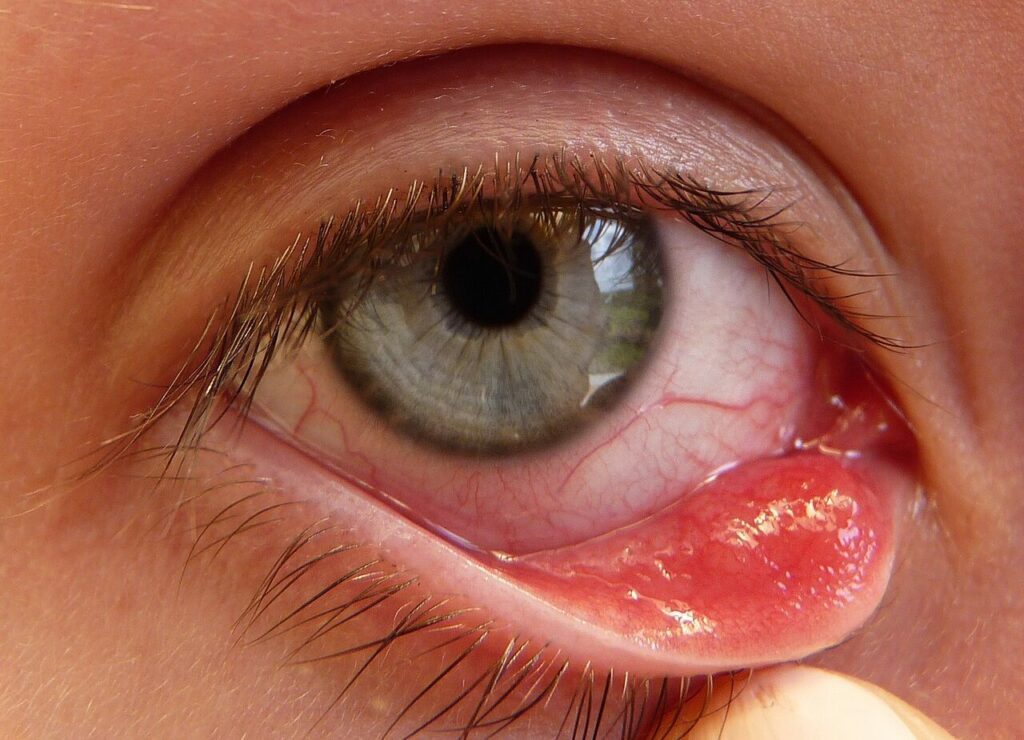
Most common vision problems are painless. Severe eye pain should never be ignored.
Pain may occur with:
- Red eye
- Headache
- Blurred vision
- Nausea
- Vomiting
Possible Causes
- Acute angle-closure glaucoma
- Corneal ulcer
- Eye injury
- Scleritis
- Optic neuritis
- Chemical burns
Acute glaucoma is particularly dangerous because elevated eye pressure can permanently damage the optic nerve within hours.
6. Eye Injury or Trauma
Any injury involving the eye requires prompt evaluation.
Examples include:
- Blunt trauma
- Penetrating injury
- Metal fragments
- Glass injuries
- Sports injuries
- Workplace accidents
Warning Signs
- Bleeding
- Vision loss
- Double vision
- Eye deformity
- Severe pain
- Inability to open the eye
Do not rub the eye or attempt to remove embedded objects. Immediate emergency treatment is necessary.
7. Chemical Exposure to the Eye
Chemical burns are among the most urgent eye emergencies.
Common causes include:
- Household cleaners
- Bleach
- Drain cleaners
- Industrial chemicals
- Cement
- Battery acid
What To Do Immediately
Flush the eye continuously with clean water for at least 15–20 minutes before seeking emergency medical care. Delaying irrigation increases the risk of permanent blindness.
8. Sudden Double Vision
Double vision (diplopia) can result from serious neurological disorders.
Sudden double vision may indicate:
- Stroke
- Brain aneurysm
- Cranial nerve palsy
- Brain tumor
- Multiple sclerosis
Double vision accompanied by facial weakness, difficulty speaking, or weakness in an arm or leg requires emergency evaluation for possible stroke.
9. Painful Red Eye With Vision Changes
Many red eyes are caused by mild infections or allergies.
However, a painful red eye with decreased vision is much more concerning.
Possible causes include:
- Acute glaucoma
- Corneal ulcer
- Uveitis
- Endophthalmitis
Symptoms often include:
- Light sensitivity
- Eye pain
- Blurred vision
- Excessive tearing
Prompt treatment helps preserve vision.
10. Temporary Vision Loss
Even if vision returns after a few minutes, temporary blindness should never be ignored.
Symptoms may involve:
- Complete blackout
- Gray vision
- Blurry vision
- One eye only
Possible causes include:
- Transient ischemic attack (TIA)
- Retinal artery blockage
- Migraine aura
- Giant cell arteritis
Temporary vision loss can be a warning sign of an impending stroke, even if the vision returns afterward.
11. Sudden Blurred Vision
Blurred vision that develops suddenly differs from gradually needing stronger glasses.
Emergency causes include:
- Stroke
- High eye pressure
- Retinal disease
- Corneal infection
- Severe diabetic eye disease
If blurred vision develops rapidly and especially if accompanied by pain or neurological symptoms, emergency evaluation is recommended.
12. Vision Changes With Severe Headache
A severe headache combined with visual disturbances may indicate:
- Stroke
- Brain hemorrhage
- Meningitis
- Giant cell arteritis
- Elevated intracranial pressure
Symptoms may include:
- Blurred vision
- Double vision
- Temporary blindness
- Loss of vision
Immediate medical assessment is appropriate.
13. Eye Infection With Vision Loss
Eye infections become emergencies when vision decreases.
Serious infections include:
- Corneal ulcers
- Orbital cellulitis
- Endophthalmitis
Symptoms may include:
- Eye redness
- Swelling
- Pain
- Thick discharge
- Blurred vision
Untreated infections can rapidly damage the eye.
14. Visual Symptoms After Head Trauma
Head injuries may cause:
- Double vision
- Blurred vision
- Unequal pupils
- Vision loss
- Flashing lights
These symptoms may indicate:
- Brain injury
- Orbital fracture
- Retinal damage
- Optic nerve injury
Emergency evaluation is recommended after significant trauma.
What to Expect During an Emergency Eye Evaluation
Healthcare providers may perform:
- Visual acuity testing
- Pupil examination
- Eye pressure measurement
- Dilated retinal examination
- Optical coherence tomography (OCT)
- Ultrasound of the eye
- Fluorescein staining
- CT scan or MRI if neurological causes are suspected
- Blood tests for inflammatory or vascular conditions
The goal is to rapidly identify the cause and begin appropriate treatment.
Can Emergency Vision Loss Be Prevented?
Although not every emergency is preventable, you can reduce your risk by:
- Managing diabetes and high blood pressure
- Wearing protective eyewear during sports and hazardous work
- Scheduling regular comprehensive eye exams
- Treating eye infections promptly
- Controlling glaucoma if diagnosed
- Quitting smoking
- Maintaining healthy cholesterol levels
- Seeking immediate care for sudden visual symptoms
Early detection remains one of the most effective ways to preserve vision.
Frequently Asked Questions
Are flashes and floaters always an emergency?
Not always. However, a sudden increase in flashes or floaters—especially when accompanied by a curtain over your vision or vision loss—may indicate a retinal tear or detachment and should be evaluated the same day.
Can blurred vision be caused by stress?
Stress can contribute to temporary visual disturbances, but sudden or persistent blurred vision may also signal serious eye or neurological conditions. Medical evaluation is important if symptoms are severe, sudden, or accompanied by other warning signs.
Is temporary vision loss serious?
Yes. Even if vision returns within minutes, temporary vision loss can be a warning sign of a transient ischemic attack (TIA), retinal artery blockage, or other serious medical condition and requires urgent evaluation.
Can a stroke cause vision problems?
Yes. A stroke can cause sudden vision loss, double vision, blurred vision, or loss of part of the visual field. Vision changes combined with weakness, speech difficulties, or facial drooping require immediate emergency care.
Final Thoughts
Visual emergencies can develop without warning and may lead to permanent vision loss if treatment is delayed. Symptoms such as sudden vision loss, flashes of light, a dramatic increase in floaters, severe eye pain, a curtain-like shadow across your vision, double vision, or vision changes associated with neurological symptoms should never be ignored.
Recognizing these warning signs and seeking prompt medical attention can make the difference between preserving and losing vision. If you are ever uncertain whether a visual symptom is an emergency, it is safest to seek immediate evaluation by an emergency department or an eye care professional. Acting quickly can protect not only your eyesight but, in some cases, your overall health and even your life.
If you are due for an eye exam or are experiencing changes in vision, schedule your appointment at 1 of our 4 conveniently located offices in San Jose, San Mateo, San Ramon, and Juneau.