

When you visit the eye doctor, you may hear about two ways to check the back of your eyes: an Optos retinal scan and a dilated eye exam. Both methods help your eye doctor examine the retina, which is the light-sensitive tissue at the back of your eye. The retina plays an important role in vision because it receives light and sends visual information to your brain.
However, Optos imaging and dilation work in very different ways. Optos uses a special camera to take detailed pictures of the inside of your eye. Dilation uses eye drops to make your pupils larger, allowing your doctor to examine more of the inside of your eye. So, which one is better? The answer depends on your eyes, your health, your symptoms, and what your doctor needs to check.
What Is an Optos Scan?
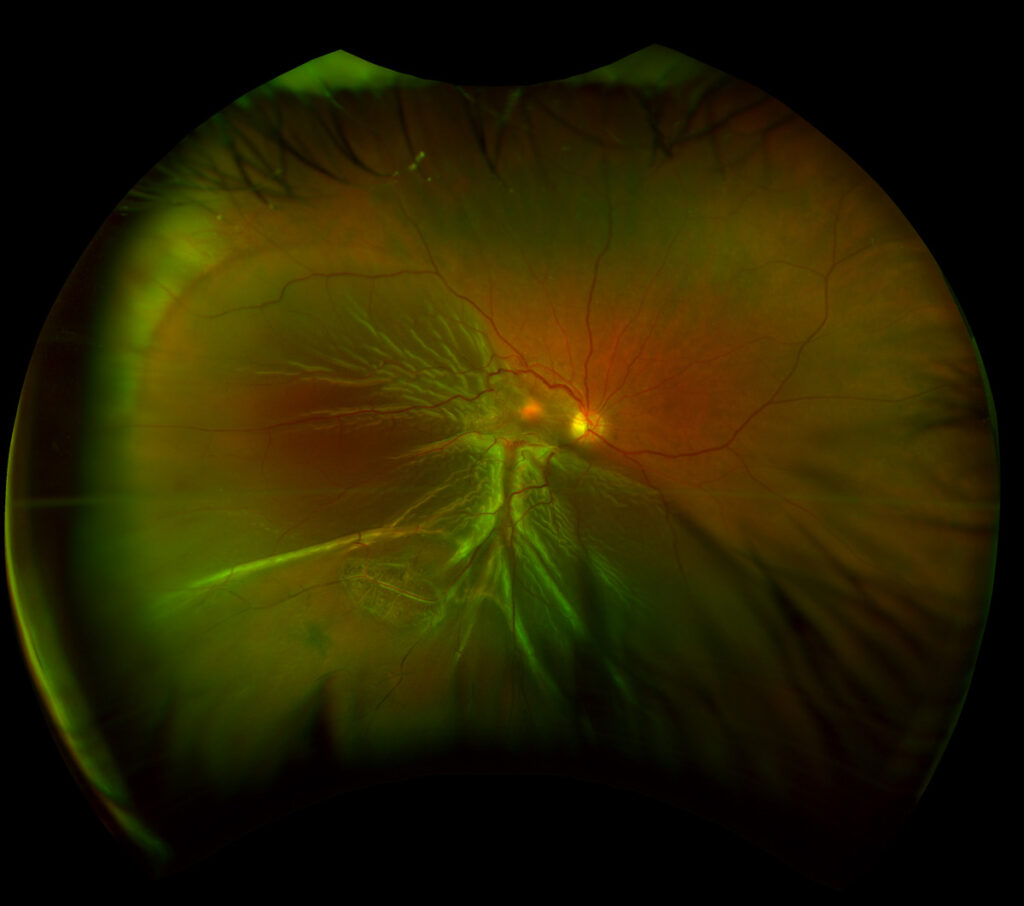
Optos is a type of retinal imaging technology. It uses a special camera to take pictures of the inside of your eye. One of its main benefits is its ability to capture a very wide view of the retina. This can allow your doctor to see areas that may be difficult to view with older retinal cameras.
The test is also quick and simple. You look into the machine while it takes an image of your eye. In most cases, you do not need eye drops before the scan. Therefore, your pupils do not need to be enlarged just to take the picture. This makes the experience easier and more comfortable for many patients.
Another benefit is that there is usually no recovery time. You can typically return to your normal activities after the scan. You do not have to wait for dilating drops to wear off, and you can usually drive and continue with your day as normal.
What Does Optos Show?
The retina contains many important structures, including the optic nerve, blood vessels, macula, and peripheral retina. An Optos image gives your eye doctor a wide view of these areas. This can help your doctor identify changes that may need further attention.
For example, retinal imaging can help your doctor look for signs of retinal tears, retinal detachments, bleeding, diabetic changes, macular changes, retinal holes, and other unusual findings. It can also help your doctor monitor changes that happen over time.
One major benefit of Optos is that the images can be saved. Your doctor can compare your current images with images from previous visits. This can make it easier to notice small changes from year to year. In this way, retinal imaging becomes a useful part of your long-term eye care.
What Is Dilation?
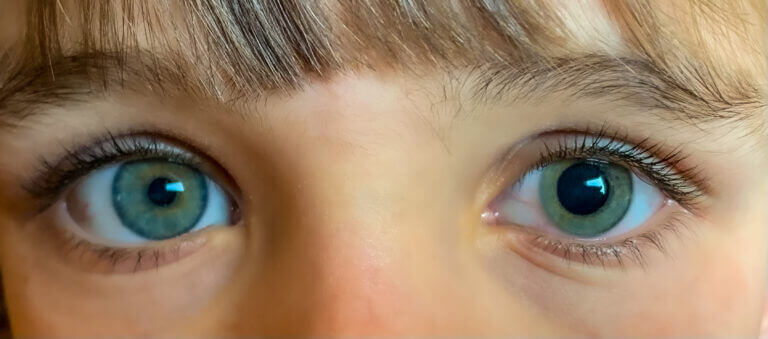
Dilation works differently. During a dilated eye exam, your eye doctor places special drops into your eyes. These drops make your pupils larger. Your pupil is the dark opening in the center of your eye that controls how much light enters your eye.
Once your pupils become larger, your doctor can use special equipment to examine the retina and other structures inside your eye. A larger pupil allows more light into the eye and can give your doctor a better view of certain areas.
Dilation is a well-established part of eye care and has been used for many years. It remains an important tool for eye doctors. However, it is not always necessary during every routine eye exam, especially when modern retinal imaging is available.
Why Was Dilation Used More Often in the Past?
For many years, dilation was a common part of comprehensive eye exams. Doctors needed to enlarge the pupil to get a wider view of the retina. Older retinal cameras also had more limitations than the imaging technology available today.
Eye care has changed as technology has improved. Modern retinal cameras can capture much wider views of the retina than many older systems. Optos is one example of this newer technology.
Because of these improvements, many eye doctors no longer need to dilate every patient during every routine visit. Instead, they can use retinal imaging as part of the examination and then decide whether dilation is needed based on the patient’s individual situation.
This approach allows the doctor to provide more personalized care. Rather than dilating everyone automatically, the doctor can choose the method that provides the information needed for that particular patient.
Why Is Routine Dilation Less Common?
There are several reasons why routine dilation has become less common for some comprehensive eye exams. First, Optos imaging is fast and comfortable. Most patients simply look into the camera for a few moments while the images are taken.
Second, Optos can capture a very wide view of the retina. This gives the doctor valuable information without always requiring the patient’s pupils to be enlarged. The images can also be stored and compared with future scans, which makes them useful for monitoring changes.
Finally, patients usually do not experience the temporary side effects associated with dilating drops. After dilation, your near vision may become blurry, and bright lights may feel uncomfortable. These effects can last for several hours.
For people who need to return to work, school, or other activities after an appointment, avoiding unnecessary dilation can make the eye exam much more convenient. However, convenience does not mean dilation is no longer important.
When Is Dilation Still Best?
Dilation remains an important part of eye care in certain situations. For example, your doctor may recommend dilation if you have symptoms that could indicate a retinal problem. New flashes of light, a sudden increase in floaters, a dark curtain or shadow across your vision, sudden vision changes, or loss of side vision can all require a more detailed retinal evaluation.
These symptoms should always be taken seriously. In some cases, your doctor needs to examine the retina directly and from different angles. A dilated exam can provide the additional view needed to evaluate the eye properly.
Dilation may also be recommended for people with certain medical conditions or eye health risks. For example, diabetes can affect the blood vessels in the retina. Patients with a history of retinal problems may also need more detailed examinations. Likewise, your doctor may recommend dilation if you have certain eye conditions or other risk factors.
Optos Does Not Completely Replace Dilation
It is important to understand that Optos does not completely replace dilation. Instead, it gives your eye doctor another powerful way to examine and document the health of your retina.
Optos can provide a wide image of the retina, but there may still be situations where your doctor needs to examine specific areas more closely. Some retinal findings may require additional views or a more detailed examination.
For that reason, your doctor may use Optos imaging first and still recommend dilation. In other cases, your doctor may recommend both during the same visit. Using both methods does not necessarily mean that something is wrong. It simply means your doctor wants as much information as possible.
Why Your Doctor May Choose One or Both
Every patient’s eyes are different. Because of this, there is no single rule that determines whether every patient should have Optos imaging, dilation, or both.
Your doctor considers several factors when making this decision. Your age, health history, medications, symptoms, prescription, and previous eye findings can all play a role. A 9doctor may also consider whether you have had retinal problems in the past.
For a healthy patient with no concerning symptoms, Optos imaging may provide an excellent way to document the retina during a routine comprehensive eye exam. On the other hand, a patient with certain symptoms or risk factors may benefit from dilation.
Sometimes, your doctor may recommend both. This does not automatically mean there is a problem. Instead, it means your doctor wants to take a closer look and make sure nothing is missed.
What Happens During an Optos Exam?
An Optos scan is simple and usually takes only a few moments. You sit in front of the machine and place your chin and forehead in the proper position. Then, you look toward a target inside the machine while the camera captures images of your retina.
The process is quick and does not usually require eye drops. Afterward, your doctor reviews the images and checks for any changes or unusual findings. If previous images are available, your doctor can also compare them with the new images.
Most importantly, there is typically no recovery period. You can usually continue with your day immediately after the scan.
What Happens After Dilation?
Dilation takes a little more time. Your doctor places dilating drops into your eyes, and you wait for the drops to take effect. Once your pupils are larger, your doctor examines the inside of your eyes using specialized equipment.
After the examination, your pupils slowly return to their normal size. During this time, your vision may be blurry, especially when looking at things up close. Bright lights may also feel more uncomfortable than usual.
Because of this, some patients choose to bring sunglasses to their appointment. Depending on the drops used and the individual patient, the effects can last for several hours.
Which One Is Better?
Neither Optos nor dilation is simply “better.” Instead, they serve different purposes. Optos provides a wide retinal image quickly and comfortably, making it very useful for routine eye care and for monitoring changes over time.
Dilation, meanwhile, allows your doctor to examine the inside of the eye more closely when needed. It remains an important diagnostic tool, especially when symptoms, health conditions, or other risk factors make a more detailed examination necessary.
In many routine comprehensive eye exams, modern retinal imaging can reduce the need for routine dilation. However, dilation has not become outdated. Your doctor may still recommend it whenever it provides information that an image alone cannot.
The Goal Is Healthy Eyes
Modern eye care gives doctors more tools than ever before. Optos retinal imaging makes it easier to capture, document, and monitor the health of the retina. At the same time, dilation remains a valuable tool when your doctor needs a closer examination.
The goal is not to avoid dilation at all costs. Instead, the goal is to use the right tool at the right time. Your eye doctor can determine which approach is appropriate based on your individual needs, symptoms, and eye health.
So, if your next comprehensive eye exam includes an Optos scan instead of routine dilation, there is no reason to worry. Your doctor is still carefully evaluating the health of your eyes. If your doctor recommends dilation, there is also a good reason for it.
Both Optos imaging and dilation have an important place in modern eye care. Together, they help your eye doctor detect changes, monitor your eye health, and protect your vision for years to come.
Schedule your appointment at 1 of our 4 conveniently located offices in San Jose, San Mateo, San Ramon, and Juneau.