

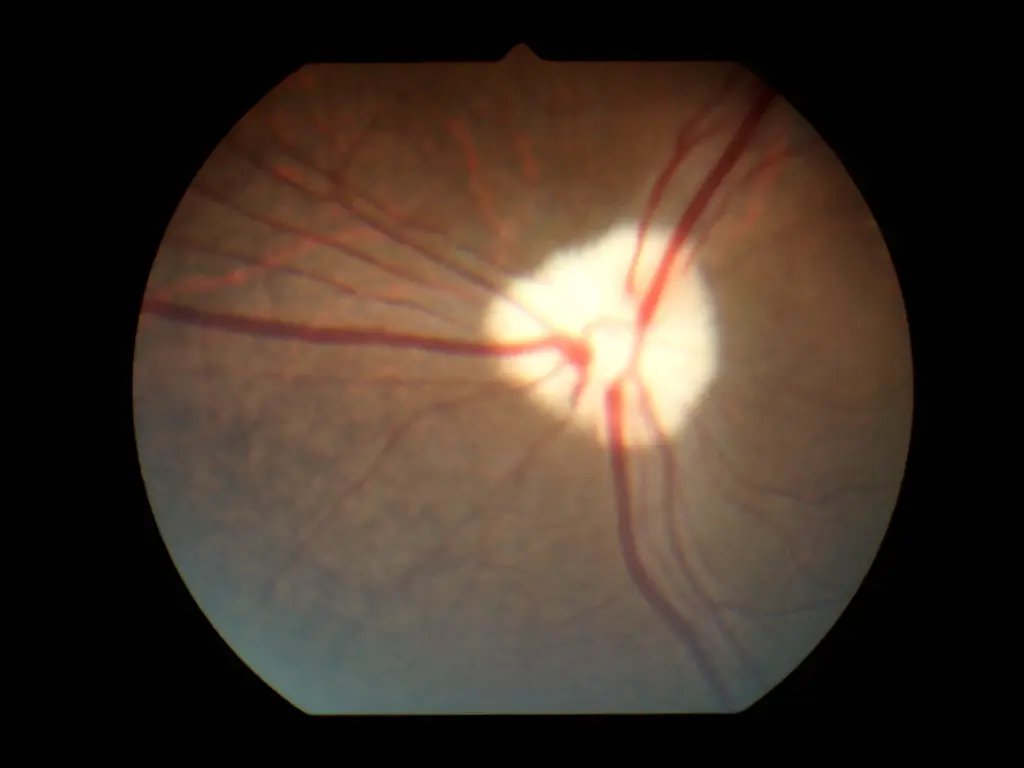
A retinal detachment is a serious eye problem. It happens when the retina pulls away from the back of the eye.
The retina helps you see. It sits inside the back of your eye and senses light. Then, it sends signals to your brain so you can see the world around you.
When the retina pulls away, it cannot work normally. Without quick treatment, a retinal detachment can cause permanent vision loss.
The good news is that doctors can often repair a detached retina. Knowing the warning signs can help you get care before the problem gets worse.
What Is a Retinal Detachment?
Think of your retina like the film inside a camera. It captures the light that enters your eye.
Normally, the retina rests against the back wall of your eye. Blood vessels underneath the retina supply it with oxygen and nutrients.
A retinal detachment changes this.
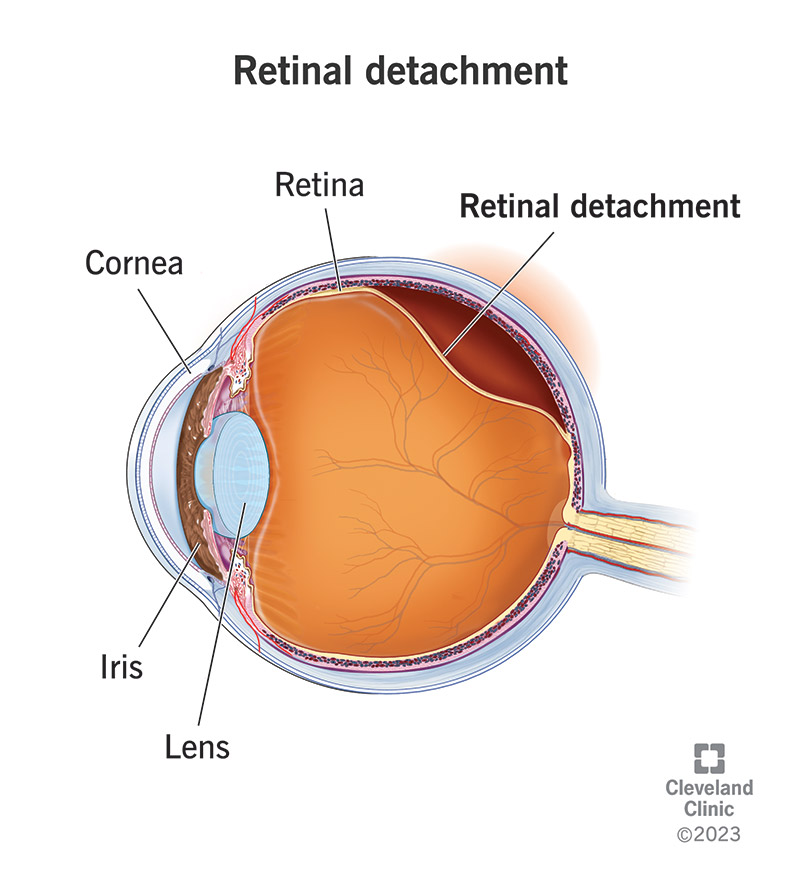
The retina pulls away from the tissue underneath it. When this happens, the retina loses some of its normal support.
You cannot fix a retinal detachment with glasses or contact lenses. You need medical care to repair the problem.
That is why sudden vision changes need attention.
How Does a Retinal Detachment Develop?
Most retinal detachments start with a retinal tear or hole.
Inside your eye, you have a clear, gel-like substance called the vitreous. This gel fills most of the space between the lens and the retina.
When you are young, the vitreous has a firm, jelly-like texture.
As you age, the vitreous naturally changes. It becomes more liquid and can pull away from the retina.
Doctors call this change a posterior vitreous detachment, or PVD.
A PVD does not always cause a retinal detachment. In fact, many people develop a PVD without serious problems.
However, the vitreous can sometimes pull on the retina and create a tear.
Once a tear forms, fluid can move through the opening. The fluid can then collect underneath the retina.
As the fluid builds up, it can push the retina away from the back wall of the eye.
This process can lead to a retinal detachment.
What Are the Warning Signs?
A retinal detachment often causes sudden changes in vision. It may not cause any pain.
One warning sign involves floaters.
Floaters can look like tiny dots, lines, cobwebs, or squiggly shapes. Most people notice a few floaters from time to time.
However, a sudden burst of new floaters can signal a retinal tear.
You may also notice flashes of light. These flashes can look like tiny sparks or lightning in your side vision.
Another major warning sign involves a dark curtain or shadow.
You may feel like a dark area has moved across part of your vision. You may also lose some of your side vision.
Blurred or reduced vision can occur as well.
These symptoms can have other causes. Still, you should not ignore them.
If you suddenly notice many new floaters, flashes, or a curtain-like shadow, contact an eye doctor right away.
If you notice sudden vision loss, seek emergency eye care.
Can Retinal Detachment Run in Families?
A retinal detachment does not always come directly from your genes. However, certain conditions that increase your risk can run in families.
Some people inherit eye conditions that make the retina more fragile.
Your family history can also give your eye doctor useful information about your risk.
For example, tell your eye doctor if a parent, sibling, or child has experienced a retinal detachment.
A family history does not mean that you will develop one.
Still, your doctor may want to monitor your retina more closely.
Regular eye exams can help your doctor spot weak areas, tears, or other retinal changes.
Who Has a Higher Risk?
Anyone can develop a retinal detachment. However, certain factors can raise your risk.
Age plays an important role. As you get older, the vitreous changes and can pull on the retina.
High myopia, or severe nearsightedness, can also increase your risk.
People with high myopia often have longer eyeballs. This shape can stretch the retina and make it more vulnerable.
A previous retinal tear can increase your risk as well.
So can a previous retinal detachment. If you have had a detachment in one eye, your doctor may watch the other eye closely.
Eye injuries can also cause retinal tears or detachments.
For that reason, protect your eyes during sports, home projects, and work that could cause an eye injury.
Certain eye surgeries can raise the risk too. Your eye doctor can explain your individual risk based on your eye health and medical history.
Can You Prevent a Retinal Detachment?
You cannot prevent every retinal detachment.
However, you can take steps to protect your eyes and catch problems early.
Start with regular eye exams. Your eye doctor can examine your retina and look for areas that may need attention.
If you have high myopia, a family history, or previous retinal problems, your doctor may recommend more frequent exams.
Next, protect your eyes from injuries.
Wear proper safety glasses when you work with tools or chemicals. Use the right eye protection during sports that could cause an eye injury.
Most importantly, learn the warning signs.
Knowing what to watch for can help you act quickly if something changes.
What Should You Do If You Notice Symptoms?
Do not wait for sudden floaters or flashes to disappear.
Contact your eye doctor as soon as possible. Your doctor can examine your retina and look for a tear or detachment.
Your doctor may dilate your pupils during the exam. Dilation gives your doctor a better view of the retina.
Your doctor may also use other imaging or testing methods when needed.
If your doctor finds a retinal tear, treatment may prevent the tear from turning into a retinal detachment.
If you notice a dark curtain, sudden vision loss, or a large change in your vision, seek emergency eye care immediately.
A retinal detachment can grow larger over time. Quick treatment can help protect your vision.
How Do Doctors Treat a Retinal Tear?
A retinal tear does not always mean that the retina has detached.
Your doctor may find a tear during a dilated eye exam.
Doctors can often treat a retinal tear before it causes a detachment.
Laser treatment can create a small barrier around the tear. The laser helps seal the area and lowers the chance that fluid will move underneath the retina.
Doctors can also use cryotherapy. This treatment uses freezing to create a scar around the tear.
Your doctor will choose the best treatment based on the location and size of the tear.
How Do Doctors Treat a Retinal Detachment?
A retinal detachment usually requires surgery.
The type of surgery depends on several factors. Your eye surgeon will consider the location and size of the detachment, the condition of your retina, and other parts of your eye.
One common procedure is a vitrectomy.
During a vitrectomy, the surgeon removes some or all of the vitreous gel. The surgeon then repairs the retina and may use a gas bubble or other material to hold it in place.
Another procedure uses a scleral buckle.
During this surgery, the surgeon places a small band around the outside of the eye. The band helps support the retina while it heals.
Some patients may need a gas bubble to help the retina stay in position.
If your surgeon places a gas bubble in your eye, follow all instructions carefully.
You may need to keep your head in a certain position. You also cannot fly while certain gas bubbles remain in your eye.
Your surgeon will tell you when you can safely fly again.
What Happens During Recovery?
Recovery can vary from person to person.
Your doctor may prescribe eye drops after surgery. You may also need to limit certain activities while your eye heals.
Follow your doctor’s instructions closely.
Keep every follow-up appointment. These visits allow your doctor to check your retina and track your recovery.
Your vision may not improve right away.
Some people notice improvement within weeks. Others may need several months to see their final result.
Your outcome can depend on several factors.
For example, the length of time your retina remained detached can affect your vision. If the detachment involved the macula, the part of the retina responsible for sharp central vision, your recovery may take longer.
Can a Retinal Detachment Happen Again?
Yes, a retinal detachment can happen again.
Even after successful surgery, you still need regular eye care.
Your eye doctor can check for new retinal tears or other changes.
You should also continue watching for warning signs.
Call your eye doctor if you notice new floaters, flashes, shadows, or changes in your vision.
Do not assume that a new symptom comes from your previous surgery or an old eye problem.
A new change deserves a new evaluation.
Protect Your Vision
A retinal detachment can threaten your vision, but quick treatment can make a big difference.
The key is knowing the warning signs.
Watch for a sudden increase in floaters, flashes of light, a dark curtain, a shadow, or sudden vision loss.
These symptoms need prompt attention.
You should also schedule regular eye exams, especially if you have high myopia, a family history of retinal problems, previous eye surgery, an eye injury, or a previous retinal tear or detachment.
You do not need to wait for pain before seeking help. Retinal detachments often cause no pain at all.
When your vision suddenly changes, take it seriously. Getting your eyes checked quickly can help protect the vision you have.
Schedule your appointment at 1 of our 4 conveniently located offices in San Jose, San Mateo, San Ramon, and Juneau.